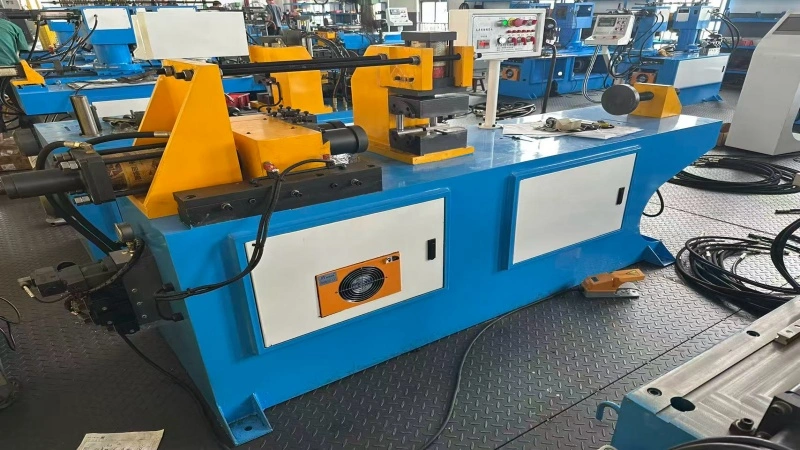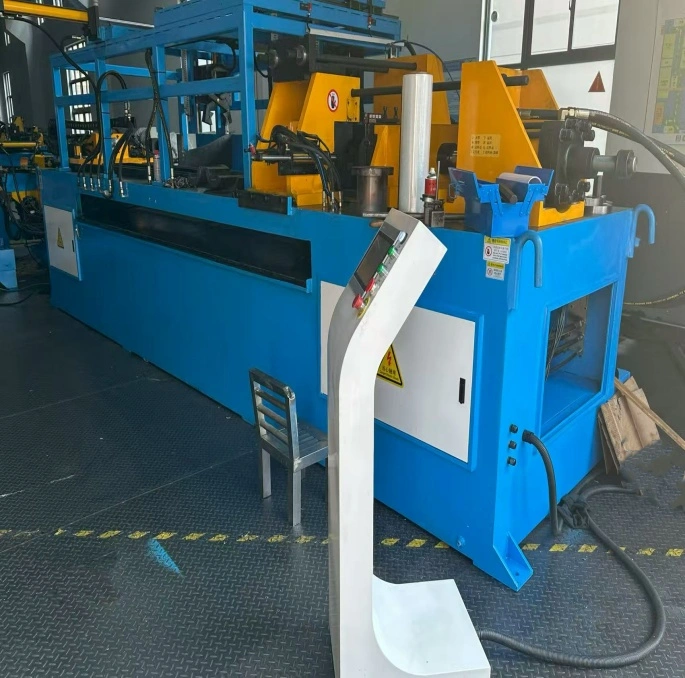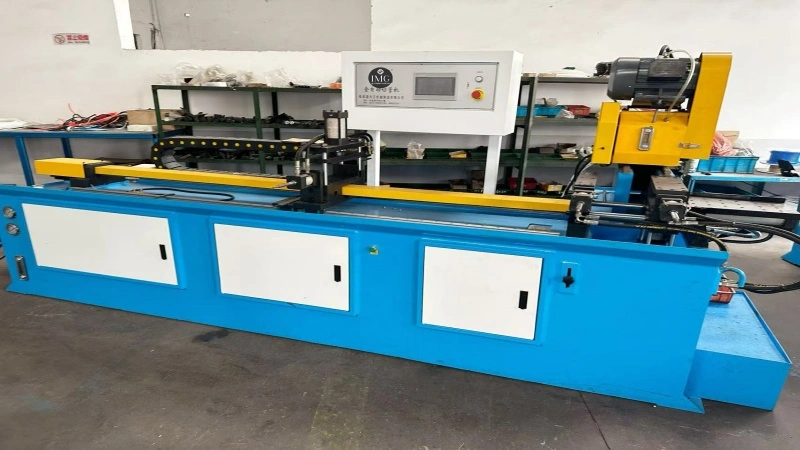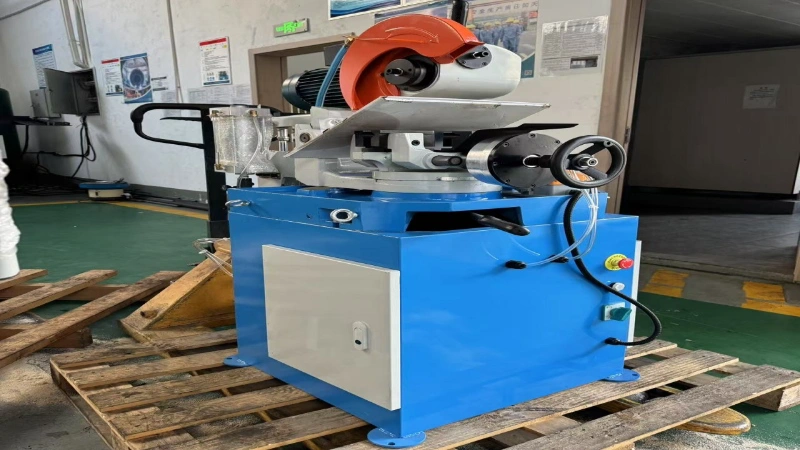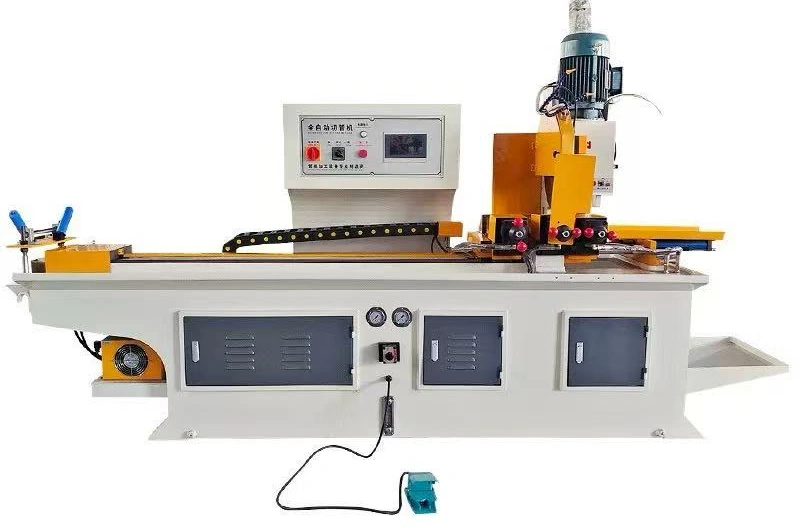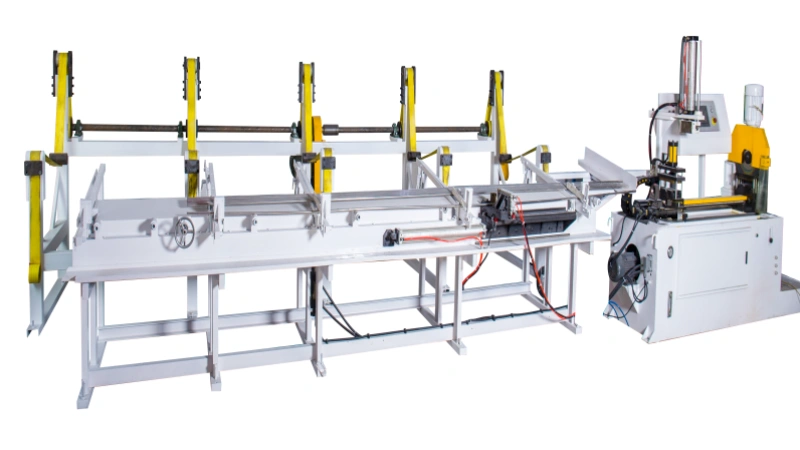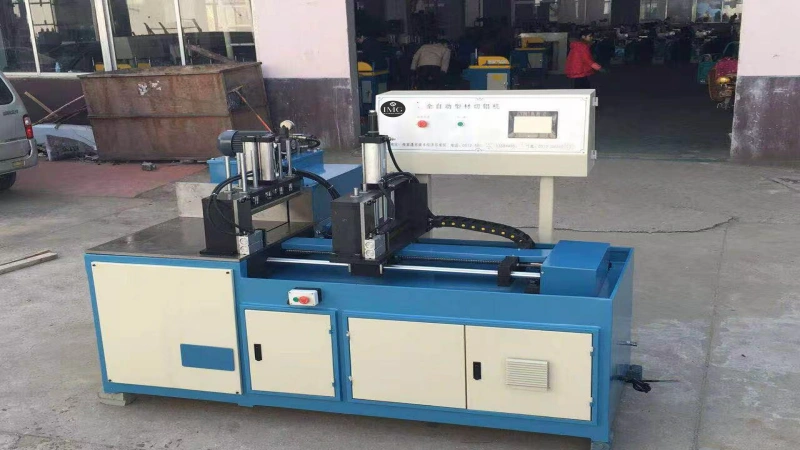
Metal Pipe Sawing Machine
The Industrial Guide to Precision: Why the Right Pipe Sawing Machine is the Backbone of Pipe Fabrication
In the complex world of industrial piping—whether for oil and gas refineries, high-purity pharmaceutical lines, or heavy-duty construction—the integrity of the entire system often hinges on a single, fundamental action: the cut. The separation of pipe segments is not merely a rough demolition task; it is a precise geometric operation that dictates the success of every subsequent process, from welding to swaging.
As industries demand higher standards for safety and efficiency, the reliance on primitive cutting methods like flame torches or angle grinders is fading. Enter the modern pipe sawing machine. These sophisticated tools represent the pinnacle of fabrication technology, delivering square cuts with zero burrs and, crucially, without altering the metallurgical properties of the material. This guide explores the engineering behind these machines, the critical importance of cold cutting technology, and how to select the right equipment for handling complex steel pipe variations.
The Mechanics of the Modern Pipe Sawing Machine
A pipe sawing machine is distinct from general-purpose cutters due to its focus on orbital precision and rigidity. Unlike a handheld saw which relies on the steadiness of the operator’s arm, a dedicated pipe sawing unit clamps securely to the workpiece. The primary objective is to eliminate "walking"—the tendency of a blade to drift off the cut line—thereby ensuring a perfectly perpendicular cut face.
This perpendicularity is not just for aesthetics; it is an engineering requirement. When two pipes are brought together for orbital welding, any deviation from 90 degrees creates a gap (hi-lo misalignment). A gap greater than 1.6mm typically results in a failed weld test, leading to expensive rework. A high-quality pipe sawing machine solves this by utilizing a rigid mounting system and a blade mechanism that tracks the circumference of the pipe with absolute fidelity.
Furthermore, these machines are designed to handle variable loads. Cutting through a 2-inch pipe is vastly different from severing a 30-inch heavy-wall schedule pipeline. Advanced sawing machines utilize high-torque, low-speed motors (often driven by hydraulic or pneumatic systems in hazardous environments) to maintain constant chip load. This prevents the blade from glazing over or shattering when it encounters the harder spots often found in seamless industrial pipes.
Embracing Safety with Pipe Cold Cutting Machine Technology
One of the most significant shifts in pipeline maintenance and fabrication is the move away from "hot work" toward "cold work." Traditional thermal cutting methods, such as oxy-fuel or plasma cutting, introduce massive amounts of heat into the pipe. While effective for separation, this heat creates a localized Heat Affected Zone (HAZ). In the HAZ, the molecular structure of the metal changes, often becoming brittle or losing corrosion resistance.
This is where the pipe cold cutting machine becomes indispensable. By definition, a cold cutting process separates the metal without generating a spark or raising the temperature of the material enough to ignite flammables or alter grain structure. This capability is paramount in three specific scenarios:
- Explosive Environments: In the oil and gas sector, particularly on offshore rigs or in refineries, cutting a live or residual line with a torch is a massive safety risk. Cold cutting machines mechanically sever the pipe (acting similarly to a milling machine or lathe) without open flames, often removing the need for shutdown "hot work permits," which saves thousands of dollars in downtime.
- Corrosion Resistant Alloys (CRAs): When working with Duplex, Inconel, or high-grade Stainless Steel, heat destroys the passivation layer that protects the metal from rust. Cold cutting ensures the pipe material remains chemically intact right up to the cut edge.
- Preventing Stress Corrosion Cracking: The micro-cracks formed by thermal expansion and rapid cooling during flame cutting become starting points for stress fractures under high pressure. Cold cutting leaves a smooth, stress-free surface.
By utilizing a cold cutting method, fabricators ensure that the pipe is ready for welding immediately after the cut is finished, with no grinding or slag removal required.
conquering Tough Materials with a Steel Pipe Cutting Machine
Not all pipes are created equal. The challenge of cutting mild carbon steel is negligible compared to the difficulties posed by hardened tool steels, titanium, or thick-walled chrome-moly pipes used in high-pressure steam lines. A robust steel pipe cutting machine must be engineered to withstand specific metallurgical challenges.
The first challenge is "work hardening." Many stainless steel grades have a tendency to harden instantly if the cutting tool rubs rather than cuts. If a sawing machine lacks the rigidity to force the blade into the material, the blade glides over the surface, generating friction heat, hardening the steel, and destroying the blade teeth in seconds. Dedicated steel pipe cutting machines utilize positive feed mechanisms that ensure the blade is always biting into fresh metal, preventing this work-hardening phenomenon.
Secondly, the evacuation of chips is critical. In a deep cut on a thick-walled steel pipe, metal chips can accumulate in the cut groove. If these are not cleared, the blade will recut its own chips, leading to binding and catastrophic blade failure. Advanced machines feature optimized blade geometries and sometimes integrated coolant systems that not only lubricate the cut but flush chips out of the channel. Whether utilizing HSS (High-Speed Steel) blades for general purpose or TCT (Tungsten Carbide Tipped) blades for exotic alloys, the machine's ability to maintain constant RPM under load is the deciding factor in successful steel pipe processing.
The Link Between Accurate Sawing and Pipe Swaging
While the focus of fabrication is often on welding, processes like swaging (reducing or expanding the end of a tube) require even higher precision in the initial cut. This brings us to a critical realization: a pipe sawing machine is the prerequisite for effective swaging.
Swaging involves forcing a die over or inside a tube to change its diameter. If the tube has been cut at an angle (not square), or if the cut has left a ragged burr, the swaging die will experience uneven pressure. This often causes the pipe wall to split, crack, or fold incorrectly during the swaging process.
Furthermore, in high-pressure swage fittings, the sealing capability relies on the pipe bottoming out perfectly against a shoulder inside the fitting. A slant cut results in only one point of contact, leaving a gap that can lead to catastrophic leaks under pressure. Therefore, investing in a high-precision sawing machine is not just an expense for the cutting department; it is quality assurance for the swaging and fitting departments. By ensuring the pipe face is essentially perfectly flat and deburred, you dramatically reduce the reject rate of swaged ends.
Critical Considerations for On-Site vs. Workshop Cutting
Selecting the right equipment requires analyzing the workspace. Pipe cutting generally happens in two arenas: the controlled workshop and the chaotic field site.
In the Workshop:
Here, stability is king. Stationary band saws or rotational cutting lathes are often used. These large pipe sawing machines can handle bundles of pipes or incredibly large diameters. They maximize blade life because vibrations are minimized by the concrete floor foundation. Automation is easier to implement here, with auto-feed systems allowing one operator to manage multiple saws, churning out thousands of cut-to-length steel pipe segments per shift.
In the Field:
Portability becomes the primary feature. Clamshell split-frame cutters or portable orbital saws are the tools of choice. A field-ready pipe cold cutting machine needs to be light enough for two technicians to lift into position on a pipe rack, yet strong enough to cut through an outdated schedule-80 pipeline. The design usually features a split frame that opens up and bolts around the pipe, eliminating the need to slide the machine from the end (which is impossible on installed piping systems). These machines often offer modular power options—switching between hydraulic motors for underwater/subsea cutting and pneumatic motors for spark-free topside work.
Product Specification and Performance Overview
When selecting a machine for your operations, it helps to compare specifications side-by-side. Below is a breakdown of high-performance pipe processing equipment designed to meet the rigorous demands of modern industry.
| Product Category | Model Series / Name | Key Features | Primary Application | Estimated Price Range |
|---|---|---|---|---|
| Pipe Sawing Machine | Pro-Cut Orbital 300 |
• 90° Absolute Square Cut • Deforms no material • Lightweight for site work |
High-purity Stainless Steel, Food & Bev, Semiconductor lines | Contact for Quote |
| Pipe Cold Cutting Machine | Cold-Split Frame X-Series |
• Split-frame design for in-line pipe • Pneumatic/Hydraulic options • Simultaneous Cut & Bevel |
Oil & Gas pipelines, Refineries, Hazardous Zones (Spark-Free) | Contact for Quote |
| Steel Pipe Cutting Machine | Heavy-Duty Band S-1000 |
• Auto-feed coolant system • High torque for thick walls • Variable speed control |
Structural Steel, Heavy Manufacturing, Thick Wall Carbon Steel | Contact for Quote |
| Combo Prep Machine | Swage-Ready Cutter Pro |
• Integrated deburring • Micro-precision length stop • Quick-change clamps |
Preparation for Swaging, Fitting assembly, Automotive fluid lines | Contact for Quote |
(Note: Pricing for industrial machinery varies based on configuration, blade sets, and regional shipping. We recommend requesting a customized consultation for exact figures.)
Best Practices for Maximizing Blade Life and Efficiency
Buying the machine is step one; operating it efficiently is step two. The running cost of a pipe sawing machine is largely dictated by consumable usage—specifically, saw blades. To maximize ROI, operators must adhere to strict speed and feed protocols.
The "Golden Rule" of sawing is the relationship between material hardness and blade speed. The harder the material (e.g., Inconel or 316L Stainless), the slower the blade should rotate, but with higher feed pressure. Running a blade too fast on hard steel creates excessive heat, which softens the blade teeth. Conversely, soft materials like copper or mild steel can be cut at higher speeds.
Lubrication is another non-negotiable factor. While some dry-cut saws exist, a steel pipe cutting machine almost always benefits from a mist lubrication or flood coolant. This does more than keep the blade cool; it creates a microscopic barrier between the cutting tooth and the workpiece, reducing friction. For pipe cold cutting machines used in sensitive environments where liquid mess is prohibited, specialized wax sticks or solid lubricants can be used to achieve similar results without the cleanup required by liquid coolants.
Conclusion: The Future of Fabrication
The industry trajectory is clear: tolerances are tightening, and materials are becoming tougher. The days of making do with rough cuts are over. Whether the goal is to prepare a pipeline for a critical high-pressure weld or to ensure a seamless swaging process for hydraulic lines, the equipment you choose defines your output quality.
By integrating a specialized pipe sawing machine—and specifically leveraging pipe cold cutting machine technology for hazardous or sensitive alloys—fabricators do not just improve speed; they enhance the safety and longevity of the piping system itself. Precision in cutting is not an optional luxury; it is the foundation of structural integrity in the modern industrial world. Invest in the right technology, and the cuts you make today will stand the test of time and pressure.