What is a cold saw pipe cutting machine?
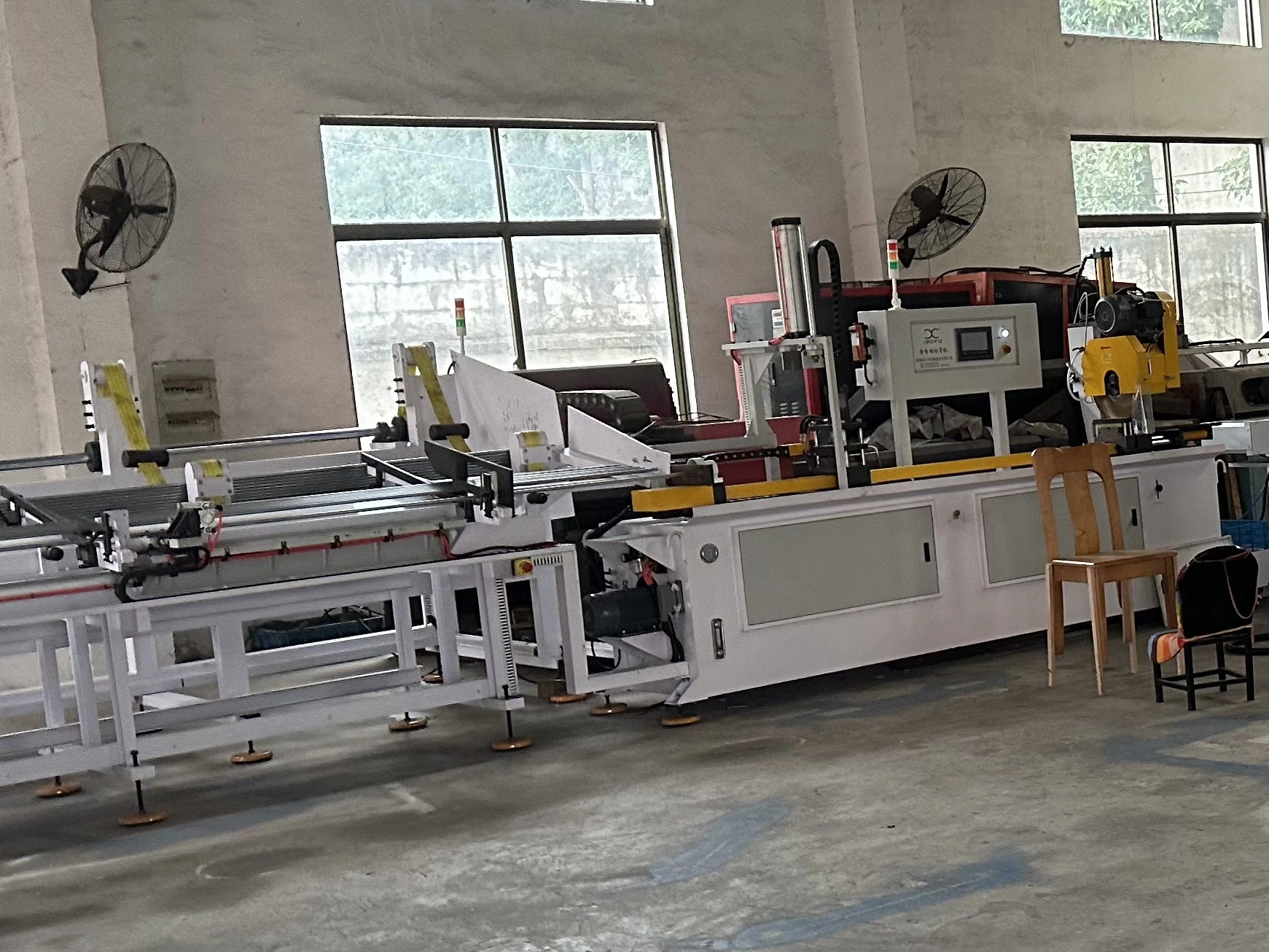
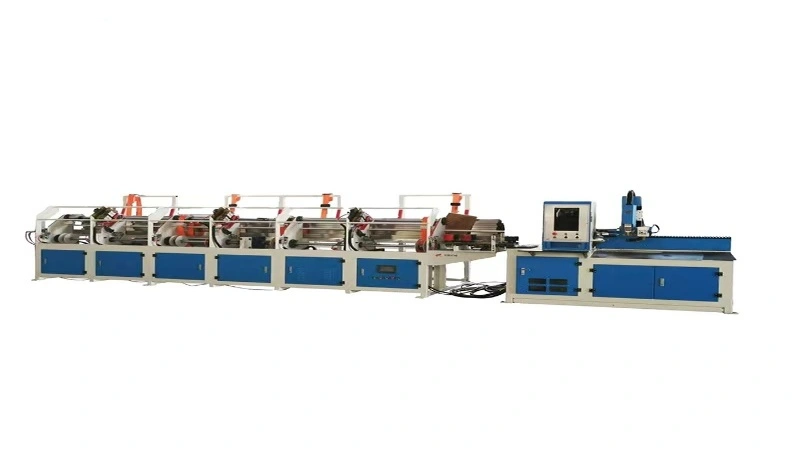
The cold saw pipe cutting machine is a metal precision milling pipe feeding device. Unlike grinding wheel friction hot cutting machines, all the heat generated from cutting is carried away with the metal sawdust, and the pipe cut remains at room temperature throughout the process, avoiding high-temperature erosion or annealing deformation, hence the name “cold saw.” Relying on carbide/high-speed steel circular saw blades to mill and cut pipes at low speed, rather than friction breaking, unlike traditional band saws or frosted saws, cold saws use circular blades with hardened teeth that rotate at controlled speed to cut through metal workpieces. The “cold” in its name refers to the specific cold saw technique used in this process. By integrating a water-based cooling circulation system or oil mist spray, the machine actively lowers the cutting temperature while washing away metal debris.Although commonly referred to as a cold saw, this equipment is also known as a circular saw machine, pipe cutter, or metal saw. In the North American market, due to their advanced precision and high-speed capabilities, they are often classified as automatic cold saws.
Why choose a cold saw pipe cutting machine?
Advantages and Features
Many factories face the same problem: as equipment ages, cutting speeds gradually slow down, accuracy becomes unstable, and workpieces require extra time for finishing, which inadvertently increases overall costs. Cold saws are increasingly being adopted as an upgrade solution, combining high efficiency with consistent, clean cutting quality. Next, we will take you through a comprehensive understanding of how cold saw machines operate, their practical advantages, application areas, and how to choose the model that best suits your production line.
The main advantages of cold saws include:
Cutting principle: HSS or TCT saw blades are used; Adjust the rotation speed according to material properties and achieve tooth cutting by rotating the saw blade Thermal stability: Can reduce material deformation caused by overheating. Enhanced blade life: This cooling system significantly extends the service life of the round blades. High precision: Compared to grinding methods, this technology can achieve more stable and precise cutting results on pipes and solid workpieces. Cutting speed: For small and medium-sized pipes and rods (mostly under 160 mm), the cutting speed is faster than that of a band saw, making it suitable for large-scale processing of materials of the same specifications. Post-processing: Most products can be used directly after cutting, but sometimes chamfering or steel brushing (deburring) treatment may be required.
How to choose the right cold saw pipe cutting machine?
We need to understand the different types and their respective advantages.
Cold Saw Type 1: Manual Type Most steps of the manual cold saw machine require manual control, such as clamping, feeding, and blade retraction. This model is more suitable for handling small batches and diverse processing needs. Its advantages lie in high operational flexibility and relatively low entry barriers, making it a better choice for factories just starting to introduce cold saw machines or with limited budgets. This manual, traditional-grade cold saw machine has been in demand for 40 years, mainly used for DIY or small-batch processing.
Cold saw type 2: Pneumatic and hydraulic type Pneumatic and hydraulic cold saw machines control clamping and blade movement through pneumatic or hydraulic systems, so not every step relies on manual operation. This saves a significant amount of labor and allows for more stable and fluctuating cutting force. This leads to more consistent machining quality and usually extends the blade’s service life. It is suitable for production lines that already have a certain output and wish to make the manufacturing process more stable. Its degree of automation is higher than that of manual cold saws.
Cold Saw Type 3: Semi-automatic type The semi-automatic cold saw machine is a choice between manual and fully automatic equipment. From an operational perspective, you only need to place the material and enter basic cutting parameters (such as length or quantity). Subsequent clamping, feeding, and cutting operations are performed by the machine itself. This model is very suitable for medium-scale production lines; It does not require as much manpower as manual equipment, but it also does not require the high investment costs of fully automated equipment. This option is quite common for many factories upgrading their cold saw equipment.
Cold Saw Type 4: Fully automatic/CNC type This cold saw was set up via computer. By inputting material specifications, the system automatically calculates the cutting speed and feed rate. Even feeding, cutting, and optimizing cutting layouts can be completed automatically. Basically, technicians only need to be responsible for setup and monitoring without having to operate the equipment continuously. It is suitable for factories requiring long-term continuous production, such as 24-hour three-shift factories pursuing high capacity and reducing reliance on labor, and even companies moving toward smart manufacturing or unmanned production lines.
Why choose Cold Saw? Exploring advantages beyond speed:
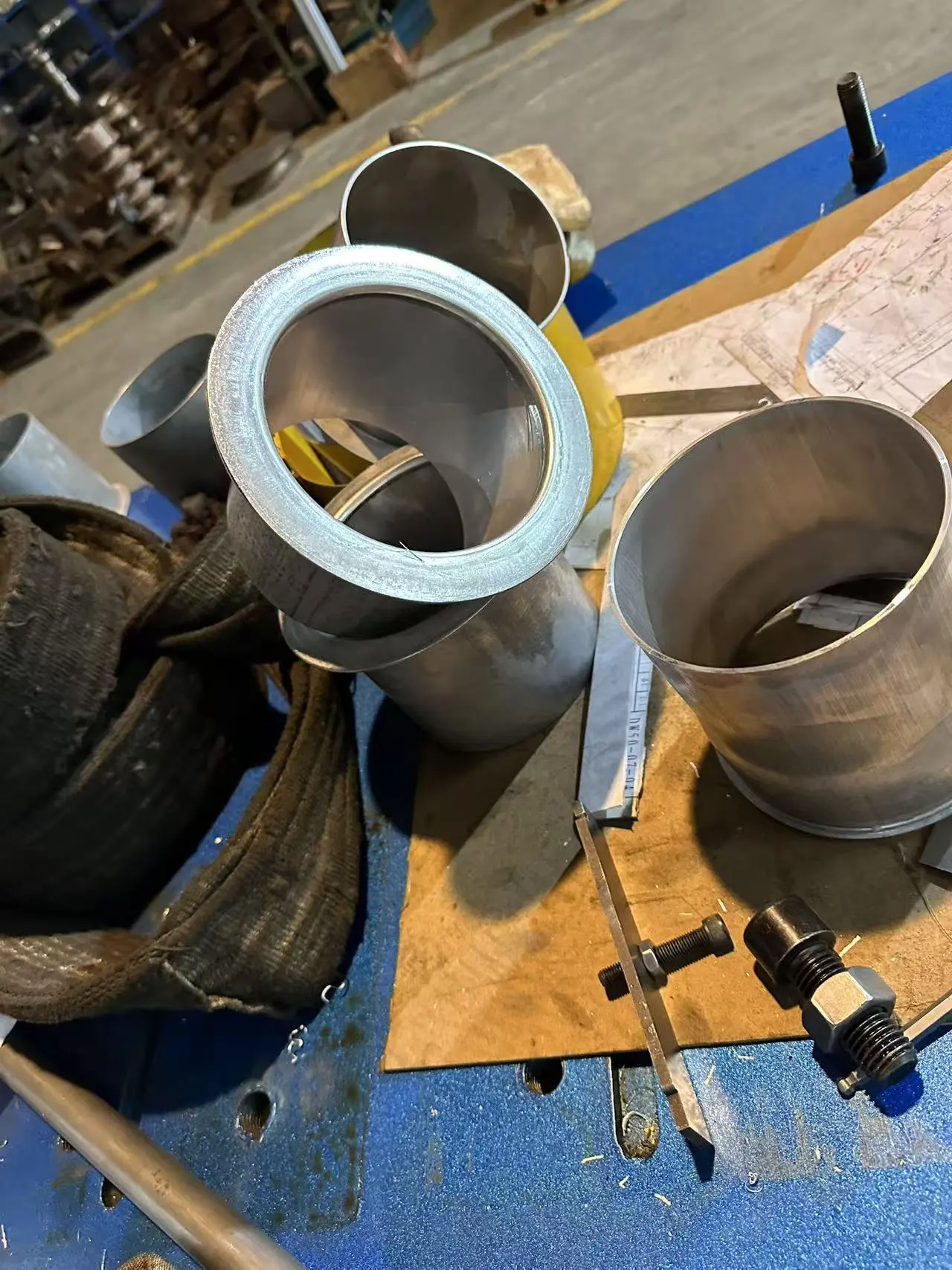
Increasing capacity and reducing labor costs. Take a fully automatic cold saw as an example: using a CNC system, the entire cutting process can be almost automated. The processing speed is stable and fast, requiring almost no manual intervention. Typically, one person can operate multiple machines simultaneously without assigning personnel to oversee each machine, effectively dispersing labor. Smooth cuts reduce secondary processing. The cold saw uses the cold cutting method. During the cutting process, the pipe does not require heating; Instead, cutting fluid or oil mist lubrication is used to maintain low temperatures and prevent metal deformation from high temperatures. The resulting cut edges are usually cleaner, smoother, and less burrified. As a result, the time required for chamfering or deburring with a wire brush is significantly reduced, material waste is minimized, and the entire processing flow is smoother. Suitable for various metal materials and specifications.
The application range of cold saws is very broad.
They can process common metal materials such as channel steel, angle iron, I-beams, stainless steel, aluminum, and copper rods. They are also not limited by shape, allowing them to cut round pipes, square pipes, and even solid bars. Reducing material waste: In terms of material utilization, high-end cold saws offer better control and more precise cutting positions, preventing excessive cutting or waste. Components that were previously easily discarded, such as the front and rear ends, can be minimized, ensuring that all materials are utilized more fully. In the long run, material utilization will significantly improve, not only by reducing waste but also by directly lowering the cost of raw materials.
Industrial Safety and Environmental Protection:
Cold saws are safer than traditional wheel-based cutting methods because they eliminate the risk of high-speed wheel breakage, making the operation more secure. There is also minimal dust and sparks generated during the cutting process, resulting in a cleaner and more manageable overall work environment. For production lines, this not only enhances safety but also makes the working environment more comfortable for employees. Which industries use cold saws? Far more than you might imagine: Cold saws have a wide range of applications and are not limited to general metalworking facilities. They are used in virtually every scenario requiring high-speed, precise cutting of pipes or metal components. Automotive and Motorcycle Parts Manufacturing: Precision cutting of automotive seat pipes, exhaust pipes, chassis components, and other parts often requires large-scale production. As a result, this industry has the highest demand for automated pipe processing. Sports and Fitness Equipment: The metal frames of various fitness equipment typically have fixed specifications and large production volumes. The key is fast and stable cutting, making cold saws well-suited for this type of large-scale material processing. Aerospace and Electronics: Special alloy materials or components require extremely high dimensional accuracy and material stability, often used in precision manufacturing processes. Building Materials and Metal Furniture: From aluminum profiles used in modern architecture to large-scale production of steel pipes for furniture, cold saws can handle large-scale cutting with ease. Common applications include: building scaffolding and structural steel; office furniture frames and shelving units; decorative aluminum profiles.
Cold saw FAQ: Answers to your most pressing questions
How to extend the lifespan of metal circular saw blades?
During the cutting process, the appropriate cutting fluid (oil mist or coolant) should be selected according to the material used to ensure the blade is fully lubricated during operation. This effectively prevents continuous friction and overheating, naturally reducing the likelihood of saw blade wear. In addition, machine setup is also very critical; For materials with different thicknesses and hardness, feed rate and rotational speed must be adjusted accordingly, and the same set value must not be used for all situations. If set too quickly, it will increase the load on the saw blade; If set too slowly, it may affect efficiency
Can the same saw blade be used to cut any metal?
No, because the hardness and properties of different materials vary greatly; If you stick to the same type of blade, it can easily become dull, the tooth surface will break, and it may even affect cutting quality. For common materials such as ordinary steel or aluminum tubes, different types of blades are usually used, such as HSS or TCT saw blades. For non-ferrous metals such as aluminum, HSS inserts are usually more suitable.
Is daily machine maintenance complicated?
Many new models are designed with chip collection systems that automatically collect chips to prevent them from lingering throughout the machine, greatly facilitating cleaning work. Most models are equipped with a coolant tank, where the coolant continuously circulates and is filtered. When cutting pipe fittings, the chip does not scatter everywhere, which facilitates subsequent organization and organization without requiring much processing. What truly requires attention includes whether the hydraulic oil is sufficient, whether the cutting oil is at normal levels, and basic pipeline blockage checks. If you follow the work instructions and conduct regular inspections, the required time won’t be too long.
Do you want to improve your work efficiency?
Choose IMG to meet your cold sawing needs.
When choosing a cold saw supplier, besides hardware specifications, the level of equipment intelligence and after-sales service are also key factors determining long-term value. IMG’s cold saw series features multiple exclusive technologies. Among them, the patented MB6 modular loader can automatically complete the feeding and material change processes, significantly reducing manual intervention and saving about 70% of labor and material change time.
Each model has its own positioning. For example, the double-tube cutting machine focuses more on stable daily production, balancing efficiency and flexibility to suit production lines with medium to high output and scheduled shipments. If you encounter a large order volume and need to increase production capacity, the four-tube cutting machine has an advantage because it can handle multiple pipe fittings simultaneously, significantly improving overall output speed.
Additionally, under certain special processing conditions, there are different options: short cutting machines can improve the stability and accuracy of short workpieces, while long cutting machines are suitable for cutting long pipe fittings in one go, thereby reducing repeated positioning time. The copper tube cutting machine is specially designed for non-metallic materials, resulting in a cleaner cutting surface and less prone to deformation.