Q1: What tubes are used for standard construction wheelbarrow frames?
A: We adopt Φ22mm black welded round tubes with 1.2mm wall thickness as standard. For European export models, Φ20mm tubes are optional.
Q2: What processing equipment is required to make wheelbarrow frames?
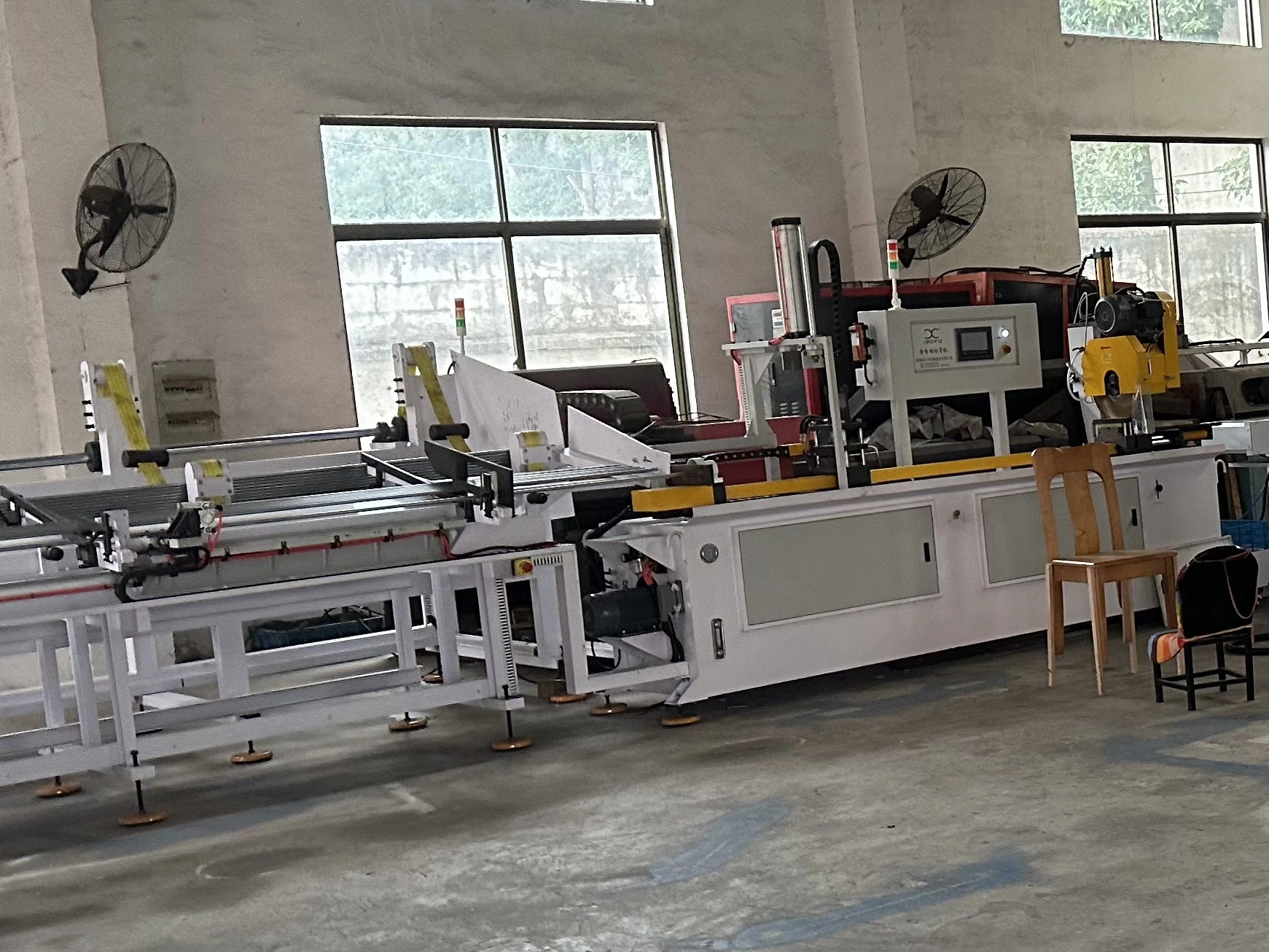
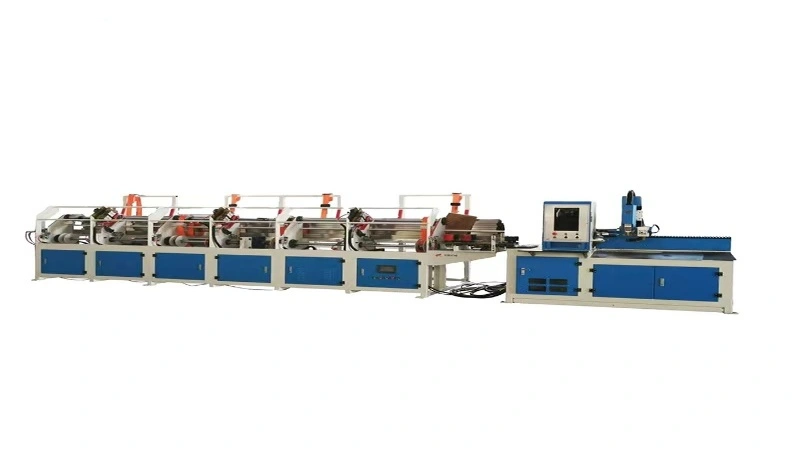
A: Fully automatic pipe cutting machine, CNC pipe bending machine with punching function, grinding machine. Integrated bending & punching equipment improves efficiency greatly.
Q3: How many pipe parts does one wheelbarrow frame consist of?
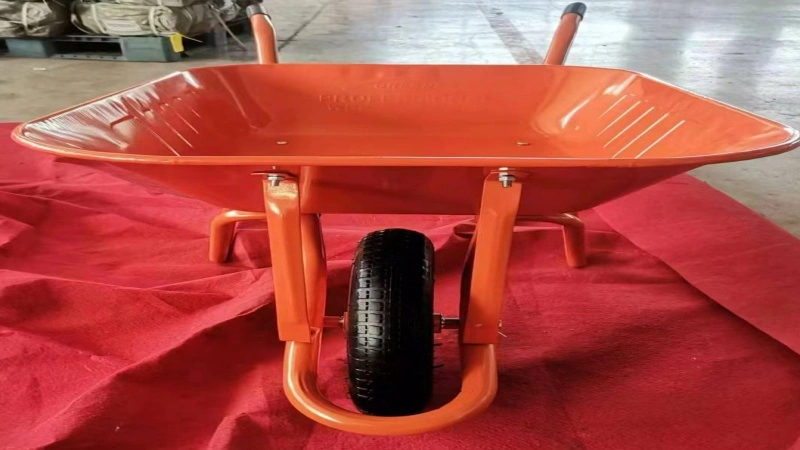
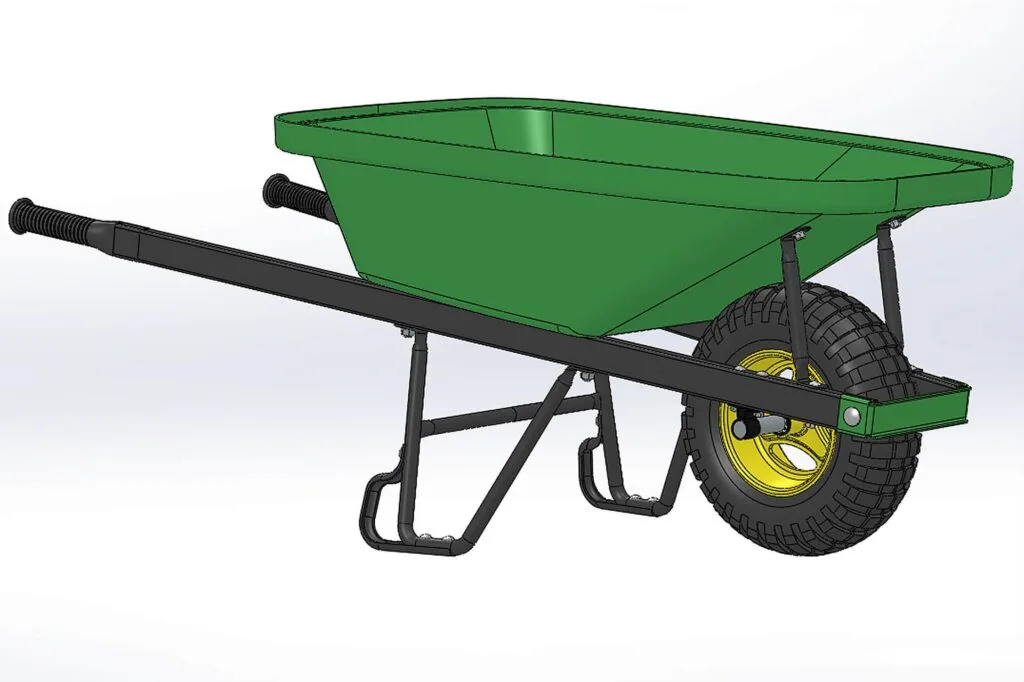
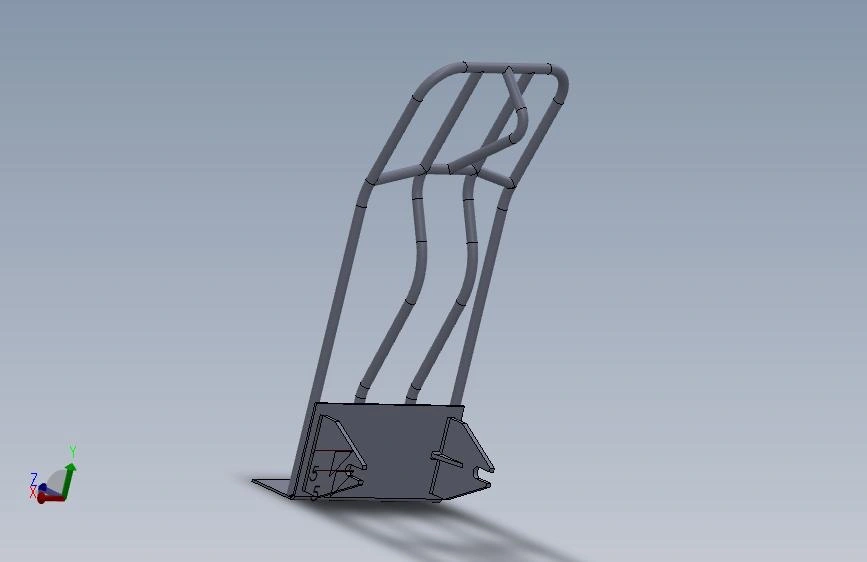
A: 8 pieces in total: 2 main handrail tubes, 2 front wheel support bent tubes, 3 horizontal support tubes, 1 hopper fixing bracket.
Q4: Can your bending machine finish bending and punching in one clamping?
A: Yes. Our pipe bender with integrated punching function completes bending and positioning hole stamping at one time, no secondary positioning needed.
Q5: What’s the tolerance standard for cutting and bending?
A: Pipe cutting length tolerance ±0.5mm; no flattening or cracking after bending; symmetrical radian for paired handrails; fitting gap between tubes ≤1mm.
Q6: What bending radians and angles are used for main handrails?
A: Two bends on each handrail: 13° bend (R120) at 310mm from end, 13.5° bend (R120) at 420mm from the other end.
Q7: What holes need to be punched on the frame?
A: Φ8 positioning holes on handrails, Φ10 wheel axle holes on front supports, Φ7 screw holes for hopper fixing brackets. All holes are stamped by punching unit.
Q8: Is the dimensional data suitable for mass production?
A: Yes. The size parameters are matched with fixed tooling fixtures, ensuring consistent dimensions for bulk production. Parameters can be adjusted for custom lightweight or heavy-load wheelbarrows.
Q9: What is the rated load of this standard wheelbarrow?
A: The standard Φ22mm tube frame supports a maximum load of 300kg, suitable for construction, farm and garden transportation.
Q10: Can we customize wheelbarrow sizes for different markets?
A: Sure. We can adjust tube diameter, bending radius, frame width and height to meet domestic construction standards or European & American export specifications.
Q11: What subsequent processes are needed after frame fabrication?
A: Welding all joints → polishing welding scars → surface anti-rust treatment (spray paint or galvanizing) → assembly of hopper, wheel, rubber handles and foot supports.
Q12: How to inspect finished wheelbarrow frames?
A: Check overall symmetry, welding tightness, pipe deformation, paint peeling; conduct load push test to confirm no bending or fracture under rated weight.