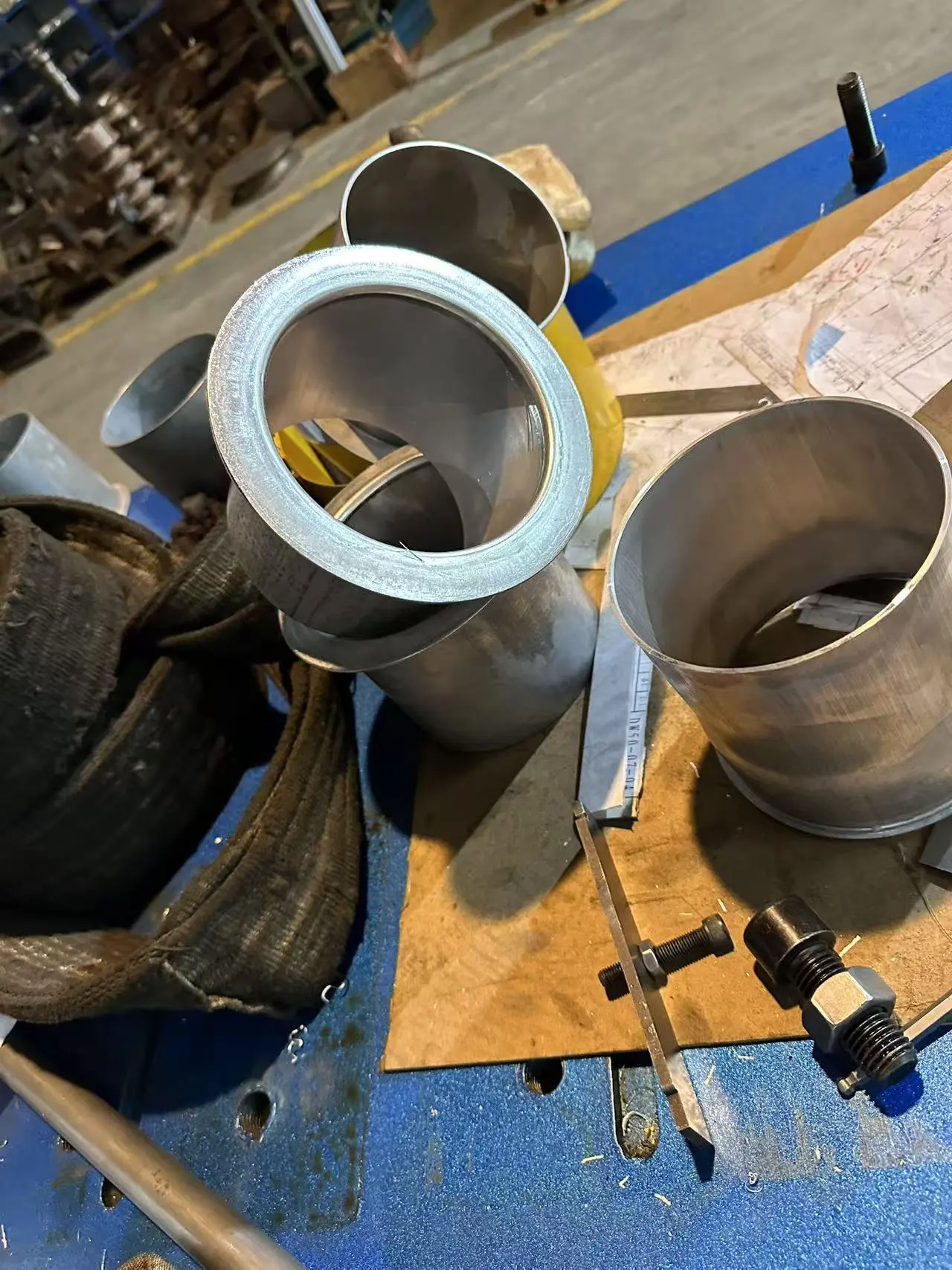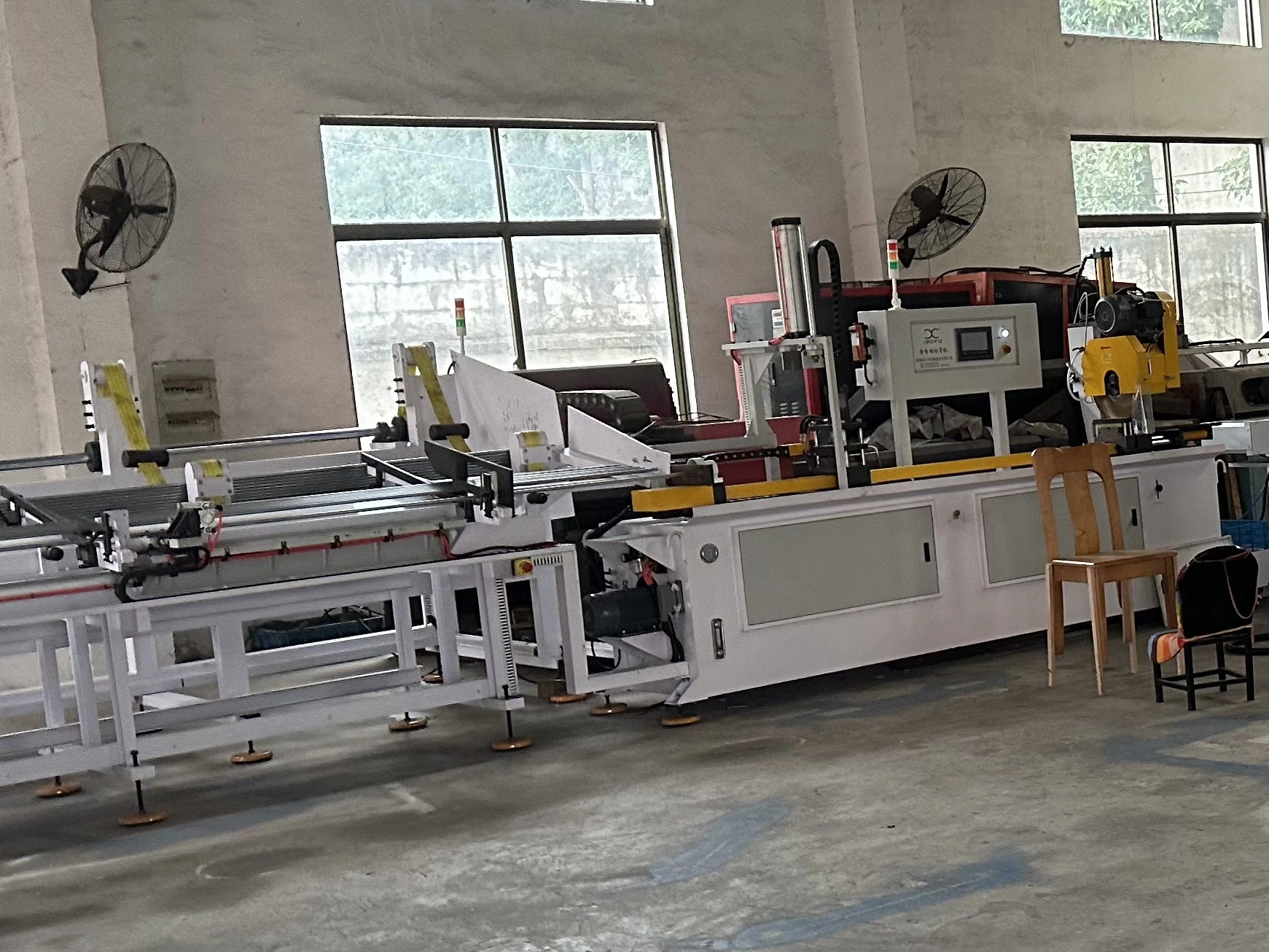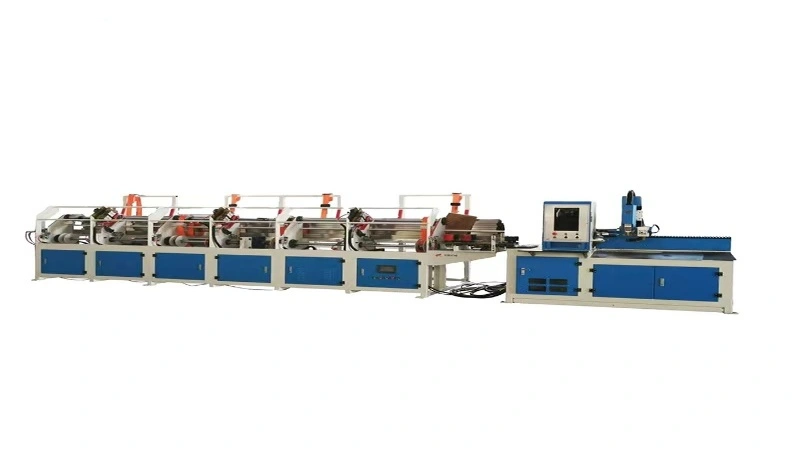
Manual pipe cutters work well for small workshops handling low batch orders, while automatic pipe cutting systems are built to reduce manual handling for continuous production. Beyond cutting precision, operators also need to consider labour cost, workpiece consistency and changeover time when selecting equipment.
1. Core Definition
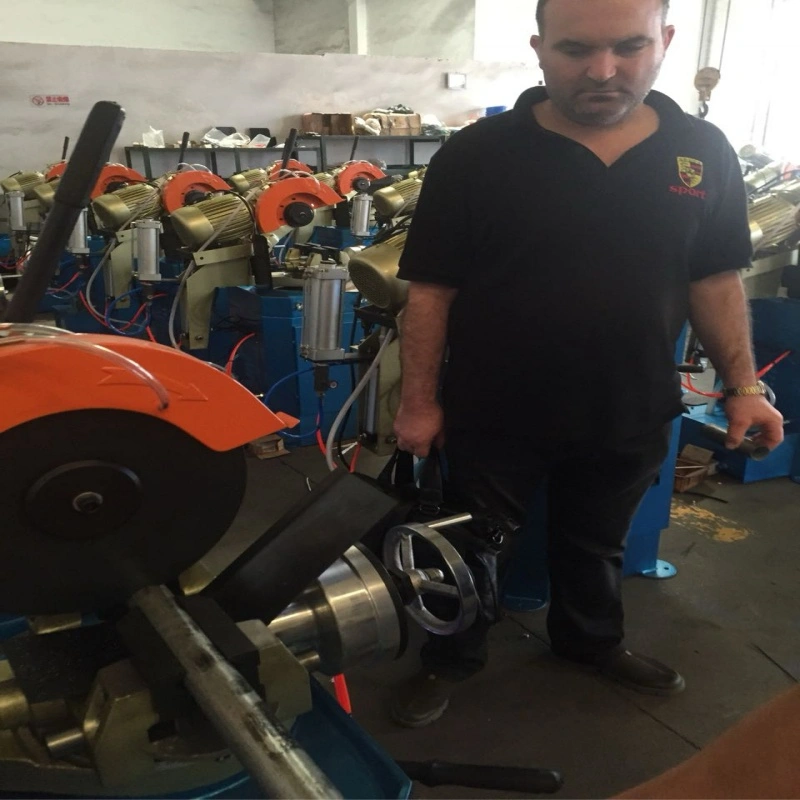
Manual Pipe Cutting Machine Operators manually load tubes, adjust fixtures, set cutting length and trigger cutting one piece at a time. Simple structure, low investment, suitable for small batch or prototype jobs.
Automatic Pipe Cutting Machine Equipped with automatic magazine feeding, servo length positioning, pneumatic/hydraulic auto clamping, continuous cutting and automatic unloading. Pre-set parameters run batch production automatically after one-time setup.
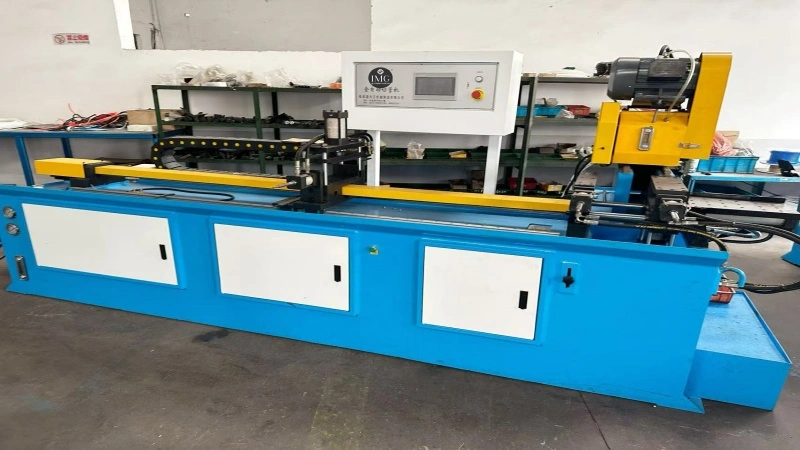
2. Key Data Comparison Table
Manual cutting machine show
| Item | Manual Pipe Cutting Machine | Automatic Pipe Cutting Machine |
|---|---|---|
| Typical hourly output | 30–80 pcs (depends on operator speed, tube size) | 180–450 pcs (stable, little fluctuation) |
| Required operator | 1 operator for 1 machine; frequent manual handling | 1 operator can manage 2–4 machines, only material replenishment & inspection |
| Length tolerance | ±0.3 ~ ±0.8 mm, unstable; affected by human measurement error | ±0.1 ~ ±0.3 mm; servo positioning, consistent batch precision |
| Cut repeatability | Poor. Precision varies between different operators & shifts | High. Same dimension for every workpiece |
| Labor intensity | High: manual feeding, clamping, measuring, unloading | Low: mostly monitoring work |
| Changeover time | Long. Manual re-adjust fixture, re-measure after size change | Short. Recall saved program, simple parameter modification |
| Material waste | High, caused by manual marking & mis-positioning | Lower, precise servo positioning reduces scrap |
3. Suitable Application Scenarios
✅ Choose Manual Pipe Cutting Machine
- Small batch production, samples and prototype testing
- Irregular tube sizes, occasional cutting tasks
- Limited upfront budget, low monthly demand
- Workshop with flexible, intermittent orders
✅ Choose Automatic Pipe Cutting Machine
- Mass continuous production, stable repeated orders
- High consistency requirement for cutting dimension
- Labor cost is high and you want to reduce manual error
- Production line integration, automatic feeding & discharging
- Long-term stable orders to lower per-piece manufacturing cost
4. Limitations
- Manual cutter: Output drops when operator gets tired. Precision relies on worker experience; human error is unavoidable for long-time continuous work. Not fit for large-scale mass production.
- Automatic cutter: Higher initial investment. Requires regular maintenance for servo system, chuck and feeding mechanism. Not economical if orders are very scattered with frequent tiny batches.
FAQ
Q1: What is the biggest difference in output between manual and automatic pipe cutting? A: Manual cutting is about 30–80 pieces per hour, limited by operator handling speed. Automatic cutting reaches 180–450 pieces per hour with stable cycle time.
Q2: How many workers do I need for manual and automatic pipe cutting? A: Manual cutting needs one worker per machine for full-time operation. One operator can supervise 2 to 4 automatic machines, only for loading raw pipes and checking finished parts.
Q3: What is the accuracy gap between manual and automatic pipe cutting? A: Manual cutting tolerance ±0.3~0.8 mm, unstable due to manual marking and positioning. Automatic machine with servo feeding keeps tolerance ±0.1~0.3 mm for consistent batch quality.
Q4: When should I select manual pipe cutting machine? A: Manual cutters fit sample making, small batches, sporadic orders and low-budget trial production.
Q5: When does automatic pipe cutting bring the best ROI? A: Automatic machines show obvious return on investment for stable mass orders. It reduces labor cost and rejects caused by human measurement mistakes.
Q6: Does automatic pipe cutting machine require highly skilled operators? A: No. Operators only need to load material, call saved programs and do simple inspection after one-time parameter setup. No professional measuring skill required during mass running.
Q7: Can automatic pipe cutter handle frequent product changeover? A: Yes. Once parameters are saved as programs, switching tube specifications only takes a few minutes, much faster than manual fixture adjustment and re-calibration.
Q8: What information should I prepare to select the right pipe cutting machine? A: Tube OD, wall thickness, material, required cutting tolerance, daily output, order batch size and whether you need automatic loading/unloading.