Cortadores manuais funcionam bem em pequenas oficinas que lidam com pedidos de baixo volume, enquanto sistemas automáticos de corte de tubos são construídos para reduzir o manuseio manual e permitir produção contínua. Além da precisão de corte, os operadores também precisam considerar o custo de mão de obra, a consistência da peça e o tempo de troca ao selecionar o equipamento.
1. Definição Principal
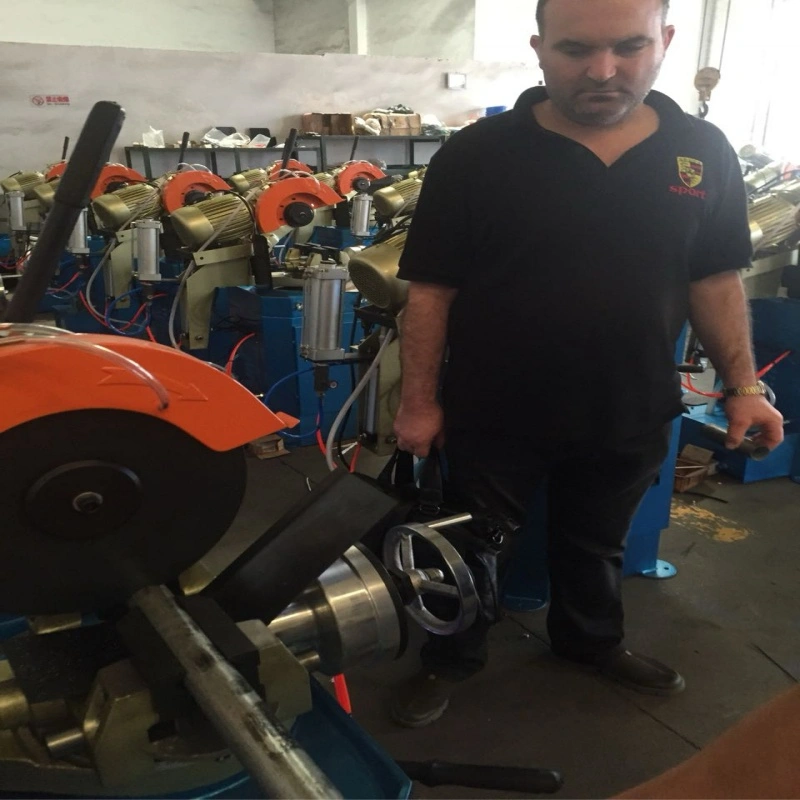
Máquina Manual de Corte de Tubos Os operadores carregam manualmente os tubos, ajustam os dispositivos, definem o comprimento de corte e o corte com gatilho uma peça de cada vez. Estrutura simples, baixo investimento, adequada para pequenos lotes ou protótipos.
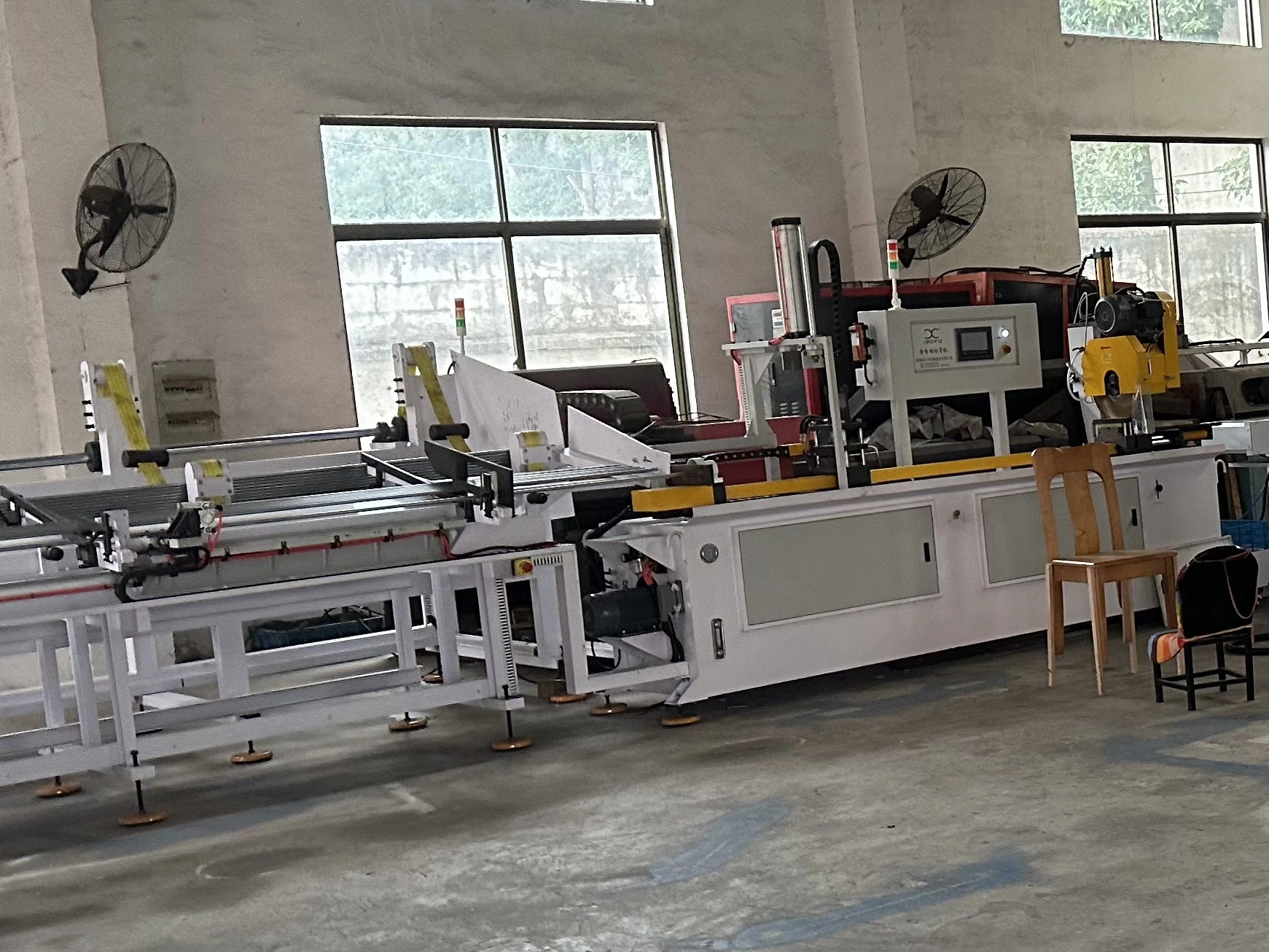
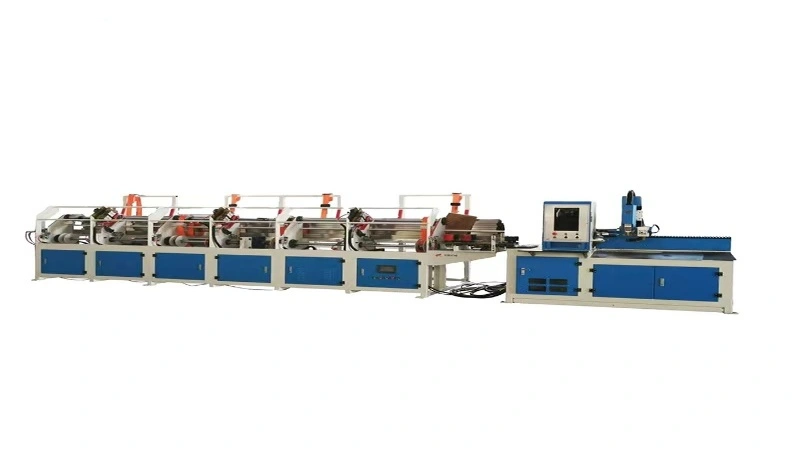
Máquina Automática de Corte de Tubos Equipado com alimentação automática de carregadores, posicionamento por comprimento servo, fixação automática pneumática/hidráulica, corte contínuo e descarga automática. Parâmetros pré-definidos executam a produção em lote automaticamente após uma configuração única.
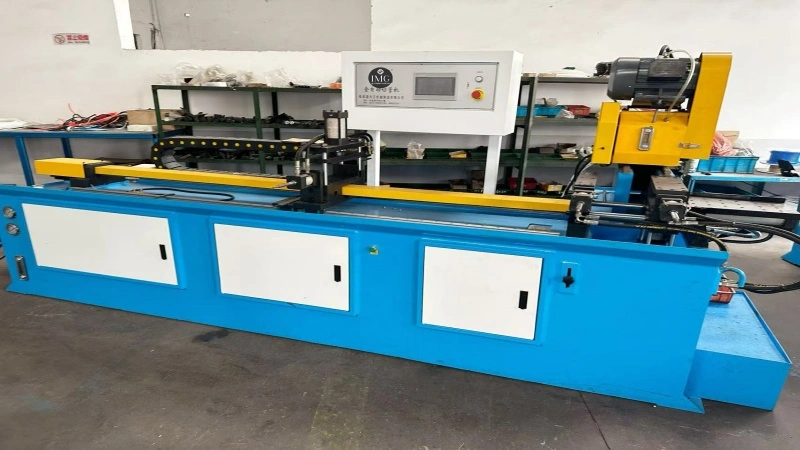
2. Tabela de Comparação de Dados Chave
Exposição manual de máquinas de corte
| Item | Máquina Manual de Corte de Tubos | Máquina Automática de Corte de Tubos |
|---|---|---|
| Produção típica por hora | 30–80 unidades (depende da velocidade do operador, tamanho do tubo) | 180–450 unidades (estável, pouca flutuação) |
| Operador obrigatório | 1 operador para 1 máquina; Manuseio manual frequente | 1 operador pode gerenciar de 2 a 4 máquinas, apenas reabastecimento e inspeção de materiais |
| Tolerância de comprimento | ±0,3 ~ ±0,8 mm, instável; Afetado pelo erro de medição humano | ±0,1 ~ ±0,3 mm; Posicionamento do servo, precisão consistente em lote |
| Repetibilidade de corte | Coitado. A precisão varia entre diferentes operadores e deslocamentos | Alto. Mesma dimensão para cada peça |
| Intensidade do trabalho | Alta: alimentação manual, clampagem, medição, descarga | Baixo: principalmente monitoramento do trabalho |
| Tempo de mudança | Longo. Reajuste manual do aparelho, re-meça após a mudança de tamanho | Curta. Recall salvo programa, modificação simples de parâmetros |
| Resíduos materiais | Alta, causada por marcação manual e posicionamento errado | Posicionamento mais baixo e preciso dos servos reduz sucata |
3. Cenários de Aplicação Adequados
✅ Escolha a Máquina Manual de Corte de Tubos
- Produção em pequenos lotes, amostras e testes de protótipos
- Tamanhos irregulares dos tubos, tarefas ocasionais de corte
- Orçamento inicial limitado, baixa demanda mensal
- Oficina com ordens flexíveis e intermitentes
✅ Escolha Máquina Automática de Corte de Tubos
- Produção contínua em massa, pedidos repetidos estáveis
- Alto requisito de consistência para a dimensão de corte
- O custo com mão de obra é alto e você quer reduzir erros manuais
- Integração na linha de produção, alimentação e descarga automáticas
- Pedidos estáveis de longo prazo para reduzir o custo de fabricação por peça
4. Limitações
- Cortador manual: A saída cai quando o operador fica cansado. A precisão depende da experiência do trabalhador; Erro humano é inevitável para trabalhos contínuos de longo prazo. Não é adequado para produção em massa em larga escala.
- Cortador automático: Investimento inicial maior. Requer manutenção regular para o sistema servo, mandril e mecanismo de alimentação. Não é econômico se os pedidos são muito dispersos com lotes pequenos frequentes.
FAQ
P1: Qual é a maior diferença de saída entre o corte manual e o automático de tubos? R: O corte manual é cerca de 30–80 peças por hora, limitado pela velocidade de manuseio do operador. O corte automático atinge de 180 a 450 peças por hora com tempo de ciclo estável.
P2: Quantos trabalhadores preciso para o corte manual e automático de canos? R: O corte manual exige um trabalhador por máquina para operação em tempo integral. Um operador pode supervisionar de 2 a 4 máquinas automáticas, apenas para carregar tubos brutos e verificar peças acabadas.
P3: Qual é a diferença de precisão entre o corte manual e o automático de tubos? R: Tolerância de corte manual ±0,3~0,8 mm, instável devido à marcação e posicionamento manuais. Máquina automática com alimentação servo mantém tolerância ±0,1~0,3 mm para qualidade consistente de lote.
P4: Quando devo escolher máquina manual de corte de canos? R: Cortadores manuais se encaixam na produção de amostras, pequenos lotes, pedidos esporádicos e produção experimental de baixo orçamento.
P5: Quando o corte automático de tubos traz o melhor retorno sobre o investimento? R: Máquinas automáticas mostram óbvio retorno sobre o investimento para pedidos em massa estável. Reduz o custo de mão de obra e as rejeições causadas por erros humanos de medição.
P6: Máquina automática de corte de tubos requer operadores altamente qualificados? R: Não. Os operadores só precisam carregar material, chamar programas salvos e fazer inspeção simples após a configuração de parâmetros de uma única vez. Não é necessária habilidade profissional de medição durante corridas em massa.
P7: O cortador automático de cachimbos consegue lidar com trocas frequentes de produtos? R: Sim. Uma vez que os parâmetros são salvos como programas, a troca das especificações do tubo leva apenas alguns minutos, muito mais rápido do que o ajuste manual do aparelho e a recalibração.
P8: Quais informações devo preparar para escolher a máquina de corte de tubos certa? R: Abertura do tubo, espessura da parede, material, tolerância de corte exigida, produção diária, tamanho do lote do pedido e se você precisa de carregamento/descarga automática.