Overview
Pipe cold sawing and fiber laser tube cutting are two mainstream pipe blanking solutions. Many buyers only compare machine purchase price, ignoring hidden secondary processing cost, precision stability and material loss. This article compares real precision and full-lifecycle cost for reference.
1. Working Principle
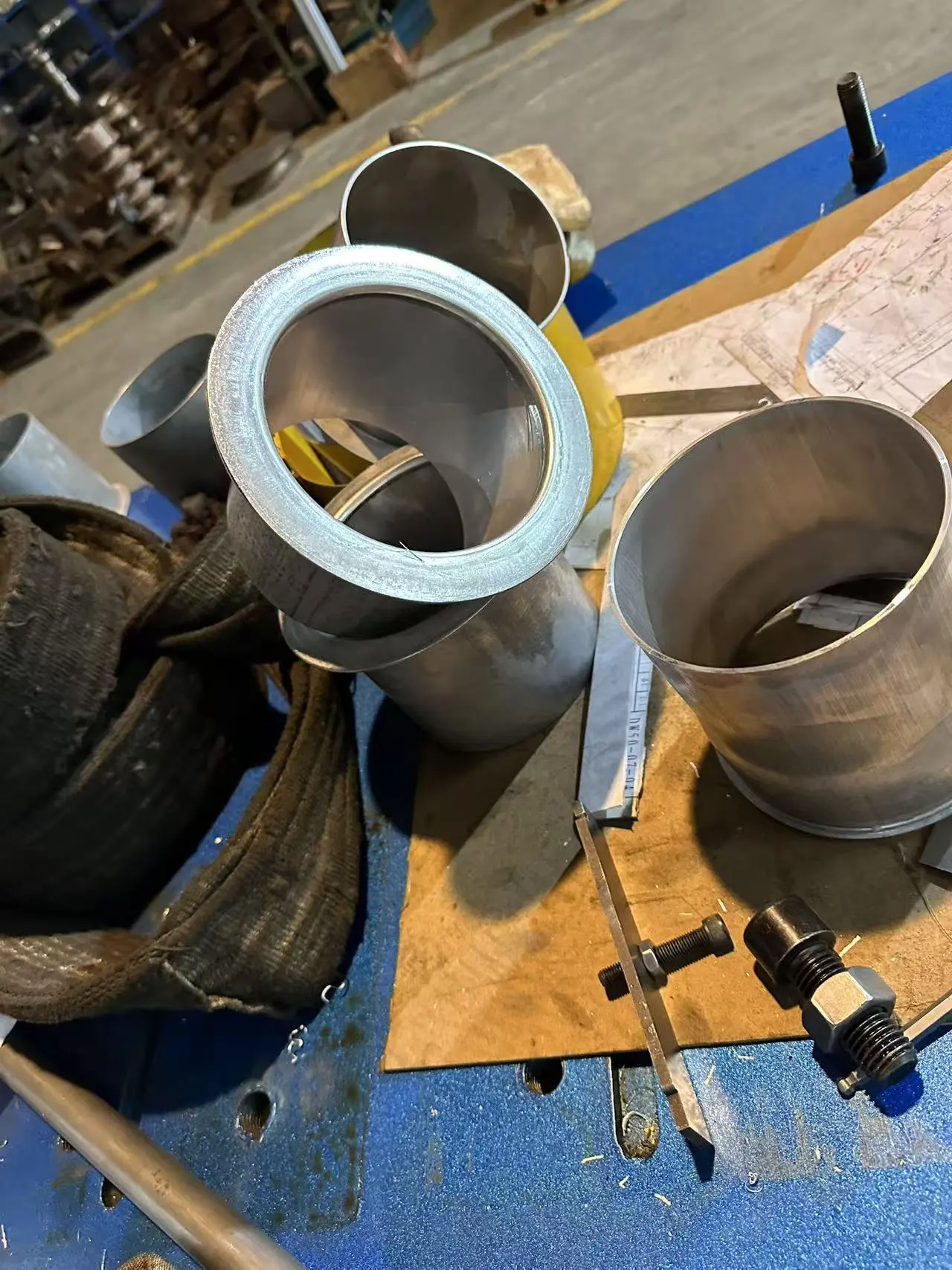
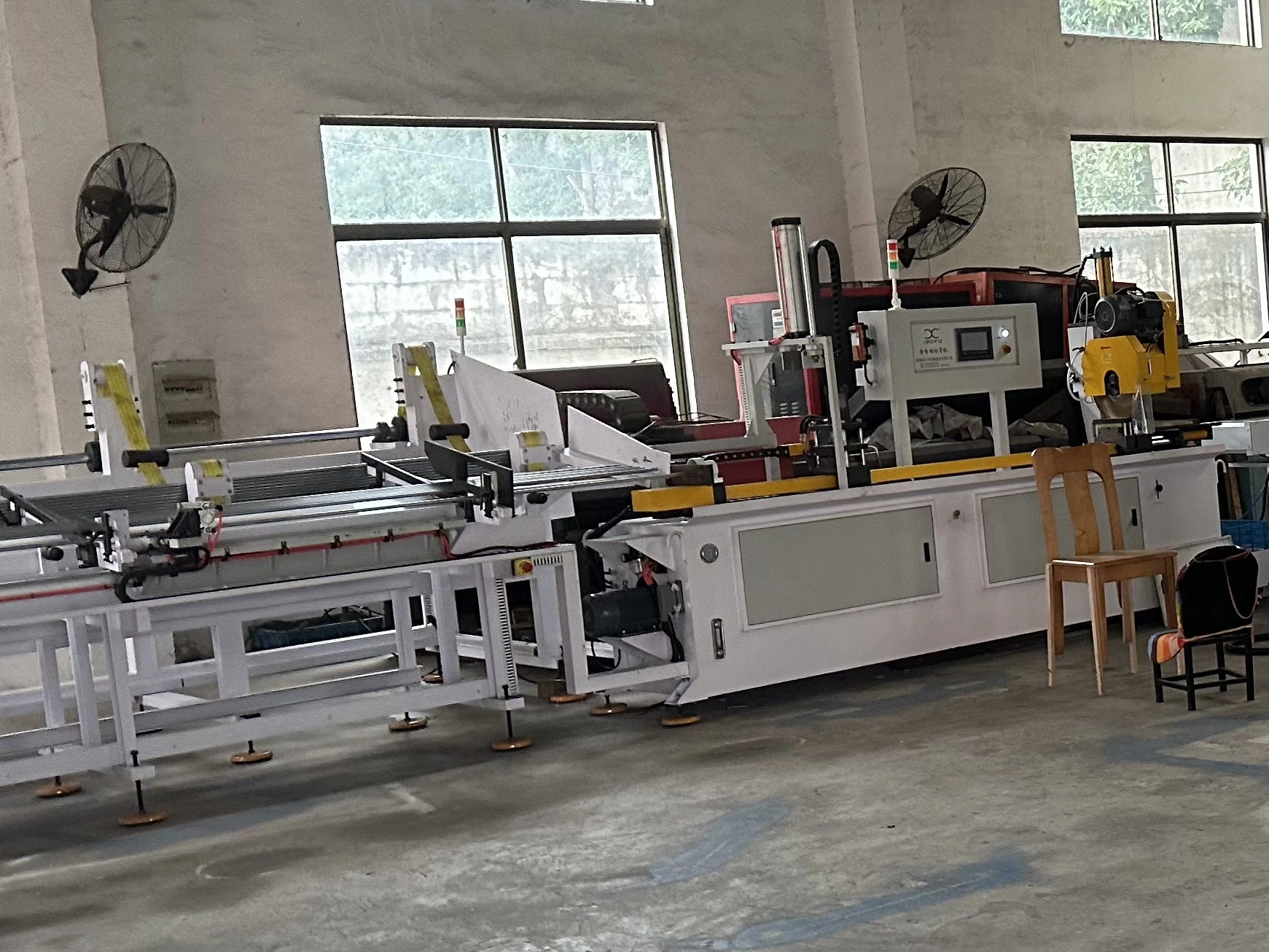
Pipe Cold Sawing Mechanical shearing cutting via rotating carbide saw blade. It is designed for straight cut or simple fixed-angle bevel only.

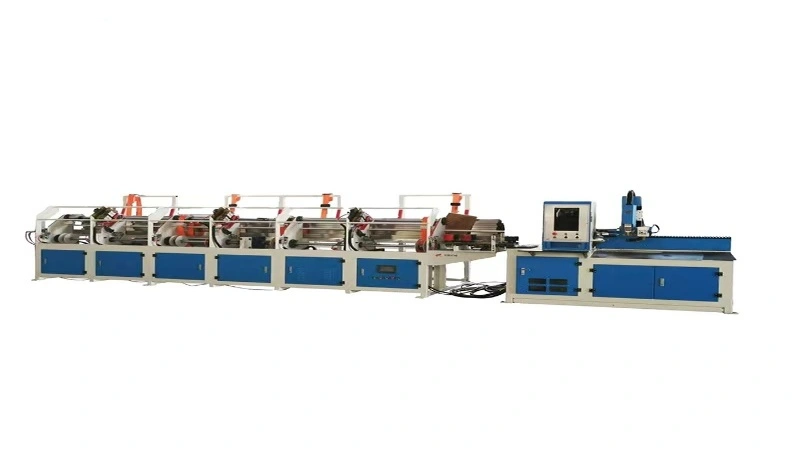
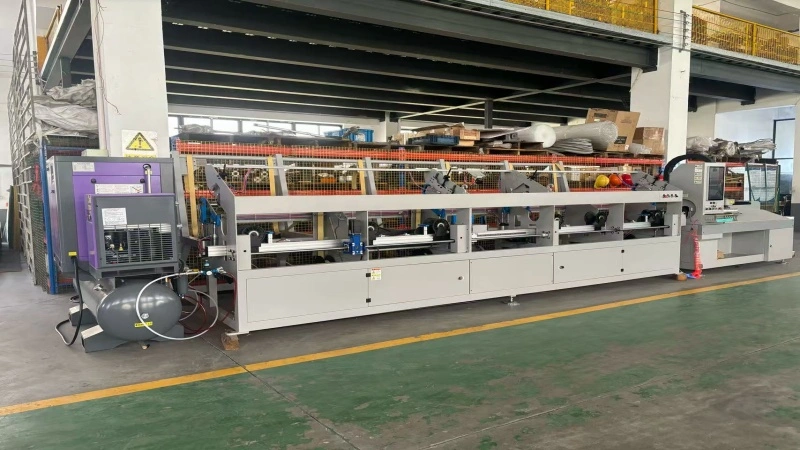
Fiber Laser Tube Cutting Non-contact thermal cutting. High-energy laser melts the metal, and assist gas blows away molten slag. It can complete cutting, hole, slot, cope, marking and bevel in one clamping.
2. Precision Comparison
| Item | Pipe Cold Saw | Laser Tube Cutting |
|---|---|---|
| Length tolerance | ±0.1 ~ ±0.5 mm; fluctuates with blade wear & vibration; cumulative error on long pipes | ±0.02 ~ ±0.05 mm; closed-loop servo control, stable batch precision, no cumulative error |
| Kerf width | 1.5–3 mm, large material loss | <0.2 mm, minimal material waste |
| Cut edge | Burr + inner flash, must deburr before welding | Smooth edge, nearly burr-free for most materials, weld-ready |
| Feature accuracy | Only simple cut length; no hole / contour cutting | Hole position, saddle cope, complex profile all within tight tolerance |
3. Real Full-Lifecycle Cost Analysis
3.1 Capital Investment
- Cold saw: Low upfront price, simple foundation and installation.
- Laser tube cutter: Much higher initial investment, equipped with laser source, chucks, auto loader, cooling system and safety enclosure.
3.2 Running Cost Breakdown
Cold Saw ✅ Low electricity & gas cost ❌ Recurring blade purchase, cutting fluid consumption ❌ Extra labor for deburring, grinding and inspection ❌ Larger kerf → more pipe scrap ❌ Extra fixture setup time when changing pipe sizes
Laser Tube Cutting ❌ Higher power consumption + assist gas (O₂/N₂/Air), regular nozzle & lens replacement ✅ No saw blade cost ✅ Minimal or zero deburring labor ✅ Nesting optimization reduces leftover scrap ✅ Program switching, no fixture replacement for new drawings
3.3 Cost Cross-over Point
- Small batch, simple straight cut only: Cold saw cheaper per piece
- Medium batch with secondary machining: Laser gradually gains advantage
- Large batch + complex parts (holes, copes, multiple profiles): Laser cuts total production cost by 25~50% by merging multiple processes into one setup
4. Suitable Application Scenarios
✅ Choose Cold Saw
- Only simple fixed-length pipe cutting
- Large thick-wall alloy pipe
- Low budget, small batch production
- Tolerance requirement loose, no complex contour
✅ Choose Laser Tube Cutting
- Thin-wall pipe, high precision assembly / welding parts
- Parts requiring holes, slots, saddle copes or bevels
- Multi-product, frequent drawing changeover
- Automated pipe fabrication line
- Reduce deburring, rework and welding filler material
5. Key Limitations
- Cold saw cannot cut holes or complex profiles; all extra features need separate drilling and milling. Blade wear will gradually degrade cutting precision.
- Laser has limits on ultra-thick heavy-wall alloy pipe; laser power determines cutting capacity. Laser machine requires stable power supply, dust-proof workshop and regular optical maintenance.
FAQ
Q1: What is the main difference in precision between sawing and laser tube cutting? A: Cold saw typical tolerance ±0.1~0.5 mm, affected by vibration and saw blade wear. Fiber laser reaches ±0.02~0.05 mm stable repeat accuracy. Laser has almost no cumulative error for long batch runs.
Q2: Why cannot I judge cost only by machine purchase price? A: Cold saw has low machine price, but hidden cost includes saw blades, deburring labor, scrap loss and secondary machining. Laser saves labor and rework cost, so comprehensive cost is better for medium & large batches.
Q3: Which kerf loss is bigger, saw or laser? A: Cold saw kerf 1.5–3 mm, much bigger material waste. Laser kerf is less than 0.2 mm, saving raw pipe material.
Q4: Can cold saw cut holes and saddle copes on tubes? A: No. Cold saw only performs straight cut and simple fixed-angle bevel. Holes, notches and saddle joints can only be done by laser or separate secondary machining.
Q5: Which process fits thin-wall tubing? A: Laser tube cutting is recommended. Cold saw clamping force may squeeze and deform thin wall tubes. Laser non-contact cutting avoids tube collapse.
Q6: When does laser start to become cost-effective vs cold saw? A: For simple cut-to-length parts, cold saw wins small batches. When parts need deburring, drilling or notching, laser’s ROI improves. Mass production with complex profiles will see obvious cost saving with laser.
Q7: Does laser cutting edge need deburring? A: Under correct parameters, laser edge is nearly burr-free and ready for welding. A small amount of trimming may still be needed for heavy-wall thick pipe. Cold saw parts always require deburring.
Q8: For large diameter thick alloy pipe, which to pick? A: Cold saw is more economical. Thick alloy pipe requires high laser power, which sharply increases machine and gas cost.
Q9: How long is the changeover time for saw vs laser? A: Cold saw needs to change saw blade, adjust fixture and re-measure. Laser only loads new program, changeover time is greatly shortened for multi-variety production.
Q10: What information should I provide to get an accurate quotation? A: Tube OD, wall thickness, material, drawing features (only cut / hole / cope / bevel), annual output, tolerance requirement, whether automatic feeding needed.