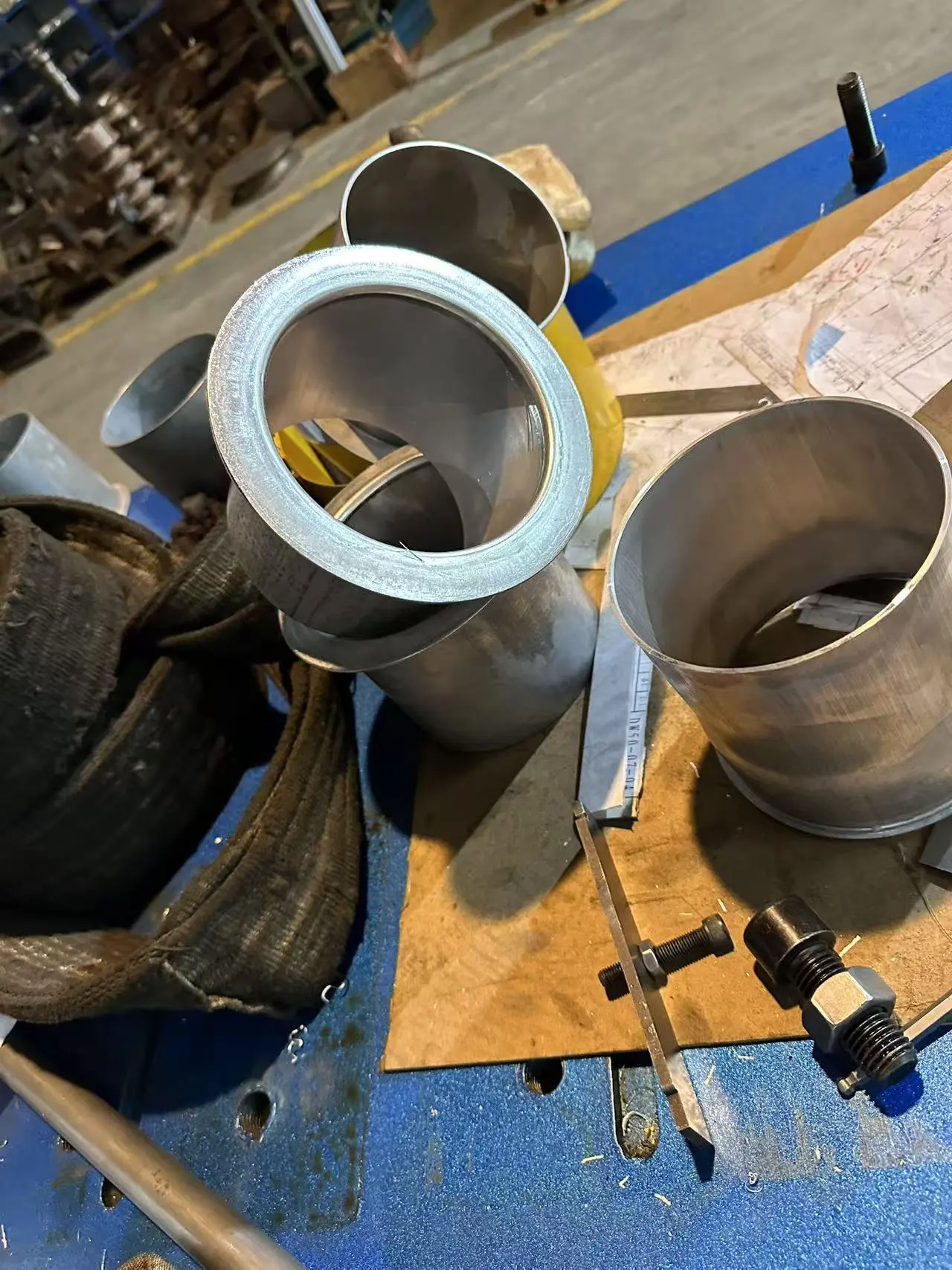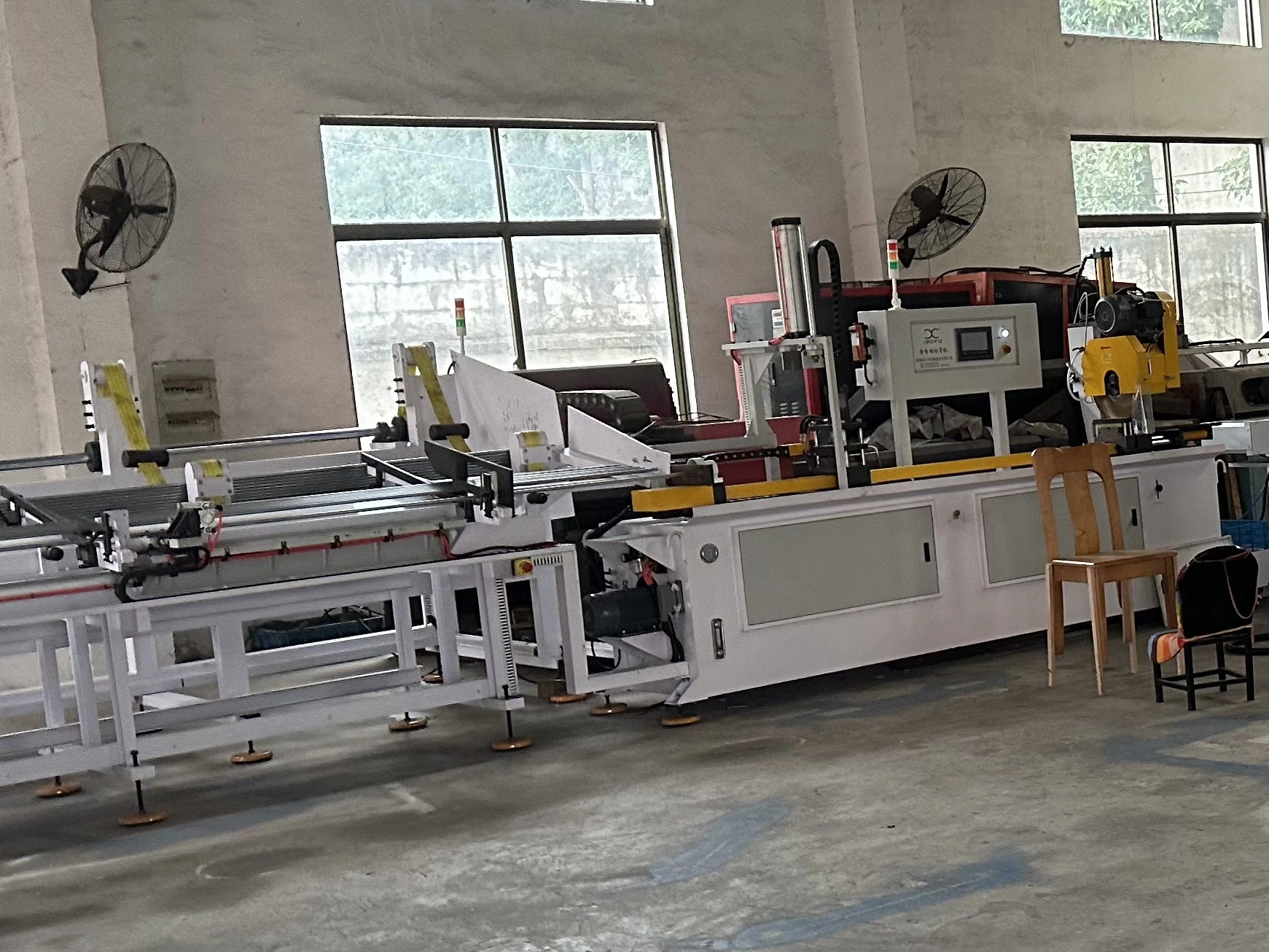
Mold replacement for metal pipe benders is a common maintenance operation. The following are detailed mold replacement tips:
First, preparatory work
Turn off the power supply.
Before changing the mold, the power supply of the pipe bender must be turned off first to ensure that the equipment stops running and avoid accidental startup during the replacement process.
Prepare the tools
Prepare the necessary tools and materials, such as wrenches, screwdrivers, new molds, lubricants, etc.
Check the status of the equipment
Before changing the mold, check whether other components of the pipe bender, such as the guide rails and clamping blocks, are in good condition to ensure the overall stability and reliability of the equipment.
Second, the steps for mold replacement
Loosen the locating pin
Locate the locating pin above the mold that needs to be replaced and loosen it with an appropriate tool.
Remove the old mold
After the locating pin is loosened, carefully remove the original mold. Be careful to avoid damaging the mold or other components of the equipment.
Install the new mold
Install the new mold onto the equipment and ensure its position is correct. Use locating pins or other fixing devices to firmly fix the new mold to the equipment.
Check the locating pin
Confirm that the locating pins of the new mold have been firmly locked to prevent the mold from moving or loosening during use.
Third, debugging and calibration
Correct the bending Angle
After changing the mold, the equipment needs to be calibrated to ensure that the bending Angle of the new mold is consistent with that of the original mold.
Check the status of the equipment
Carefully inspect whether all components of the equipment, such as guide rails and clamping blocks, are in good condition to ensure the overall stability and reliability of the equipment.
Conduct a trial run
After confirming that the mold is installed correctly and the equipment is in good condition, conduct a trial run. Check whether the pipe bender is working properly and whether the bending Angle and processing quality of the new mold meet the requirements.
Fourth, Precautions
Safety first
When changing the mold, be sure to pay attention to safety. Avoid misoperation or accidental injury.
Professional operation
Changing molds requires certain professional knowledge and operational skills. If you are not familiar with the operation, it is recommended that you seek help from professionals.
Lubrication and Cleaning
When changing molds, carry out appropriate lubrication and cleaning work to reduce friction and lower wear. At the same time, keeping the equipment clean helps to extend its service life.
Recording and tracking
Record the time, cause and result of each mold replacement. This helps to track the maintenance history of the equipment and provides a reference for future maintenance work.
Fifth, mold replacement cycle
The replacement cycle of the pipe bender die depends on the frequency of use and the hardness of the material. Generally speaking, when the pipe bender is used frequently and the hardness of the processed material is relatively high, the mold replacement time will be shortened. For example, when processing iron pipes, the mold replacement time is generally 2,000 to 3,000 times. When processing copper tubes or aluminum tubes, the mold replacement time is approximately 5,000 times.
By following the above steps and precautions, the molds of the metal pipe bender can be safely and effectively replaced, ensuring the normal operation of the equipment and the processing quality.