آلة ثني الأسلاك الفولاذية الدقيقة (مقدمة احترافية) – معدات آلات IMG

معدات آلات IMG

آلة ثني الأسلاك الفولاذية الدقيقة (مقدمة احترافية)

I. ما هي الغرامة آلة ثني الأسلاك الفولاذية

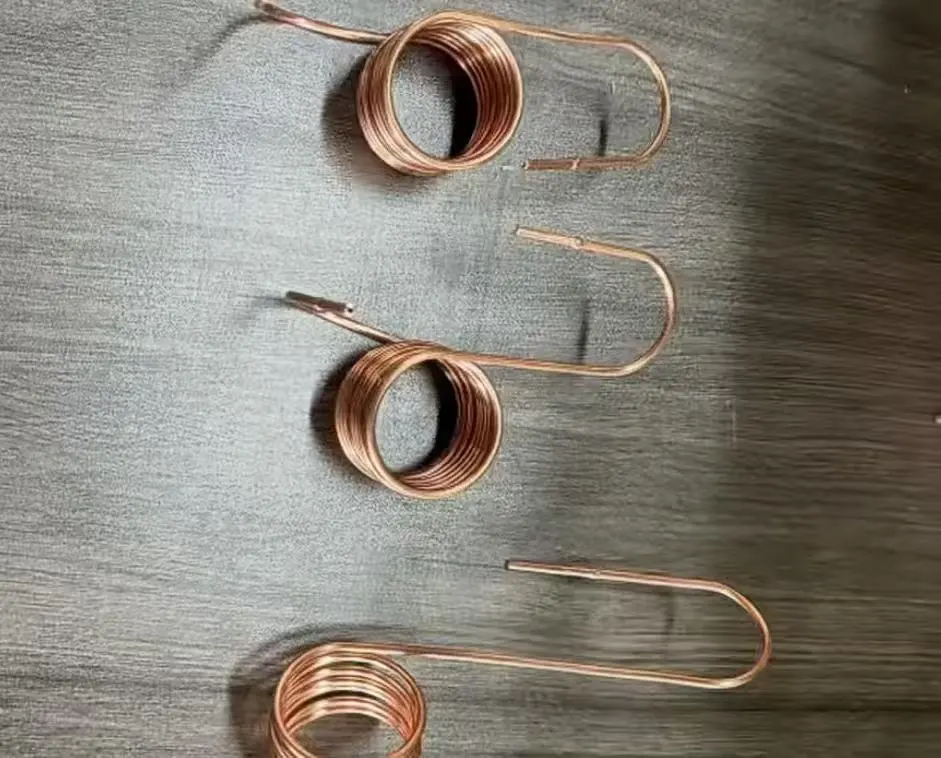
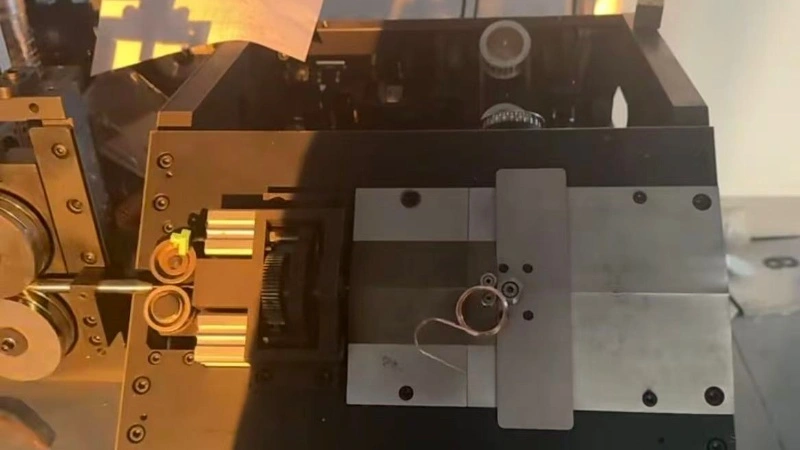
غرامة آلة ثني الأسلاك الفولاذية هو جهاز CNC مصمم خصيصا للثني التلقائي، والتشكيل، واللف، وثني الزوايا، والتشكيل ثلاثي الأبعاد متعدد الأبعاد من أسلاك الفولاذ الدقيقة، وسلك الفولاذ الزنبركي، والأسلاك الحديدية المجلفنة، وسلك الفولاذ المقاوم للصدأ بقطر يتراوح بين 0.3 مم إلى 8 مم. ويعرف أيضا باسم آلة تشكيل الأسلاك، أو آلة ثني الأسلاك الفولاذية، أو آلة ثني الأسلاك ثنائية الأبعاد/ثلاثية الأبعاد.

II. التصنيف الرئيسي

  1. حسب وضع التحكم

  • النوع الأوتوماتيكي بالكامل باستخدام CNC: النموذج السائد، المبرمج عبر الحاسوب، قادر على تشكيل أشكال معقدة، مثالي للإنتاج الضخم.
  • آلة ثني شبه أوتوماتيكية / هوائية: للثني البسيط بزوايا 90°، وأشكال U وإطارات مربعة، مناسبة للمعالجة البسيطة في دفعات صغيرة.
  • آلة الثني اليدوي: نموذج مدمج على سطح الطاولة، يستخدم لأخذ العينات والإنتاج في ورش صغيرة.

2.By بعد التشكيل

  • آلة ثني الأسلاك الفولاذية الدقيقة ثنائية الأبعاد: لثني السطح، تستخدم لإنتاج الخطاطيف، والحوامل، والإطارات الشبكية، والمثبتات.
  • آلة ثني الأسلاك الفولاذية الدقيقة ثلاثية الأبعاد: للثني ثلاثي الأبعاد، تستخدم لإنتاج أجزاء النابض، والحوامل ذات الأشكال الخاصة، ومكونات أسلاك السيارات.

ثالثا. المواد المناسبة ونطاق القطر

  • النطاق الشائع: سلك من الفولاذ المقاوم للصدأ من 0.3 مم إلى 6 مم، سلك حديدي مجلفن، فولاذ زنبركي، سلك فولاذي يسحب على البرود
  • نماذج مدمجة فائقة الدقة: حتى سلك فولاذي فائق الدقة يصل إلى 0.15 مم
  • التطبيقات: خطاطيف أجهزة، شوايات الشواء، الحرف اليدوية، الأطراف الإلكترونية، حوامل أسلاك السيارات، ملحقات رفوف

IV. الميزات الأساسية

  1. دقة عالية: تحمل زاوية الانحناء يتم التحكم في خلال ±0.5°
  2. كفاءة عالية: يمكن للنماذج الأوتوماتيكية بالكامل إنتاج عشرات القطع النهائية في الدقيقة
  3. تعدد الاستخدامات القوي: يمكن معالجة منتجات مختلفة عن طريق تغيير البرامج، دون الحاجة لاستبدال قوالب معقدة
  4. التكيف مع الأسلاك الدقيقة: يمنع تلف السطح، وانقطاع الأسلاك، والتشوه أثناء المعالجة

V. الصناعات التطبيقية المشتركة

منتجات الأجهزة، قطع السيارات، الأجهزة الإلكترونية، الضروريات اليومية، الحرف اليدوية، صناعة الشبك الأسلاكي، أقفاص تربية المواشي
a58d8099e0d0947797c1844e4de023c7
52675f1a89904cc77058e2361fcfa8fd_副本
0e848d197bc0d78c8e7ba66aa4dc1d9c

مدونة ذات صلة

Fiber laser tube cutting machine, cnc automatic metal pipe laser cutter for round and square tube high‑precision cutting

Pipe Sawing vs Pipe Laser Cutting Machine – Full Detailed Technical & Commercial Comparison

Overview This full comparison covers working principle, cutting quality, precision, material adaptability, production efficiency, labor cost, consumables, failure rate, total ownership cost (TCO), and industrial application scenarios, serving for customer technical consultation, quotation scheme matching, and product detail page content. 1.1 Pipe Sawing Machine (Cold Circular Pipe Saw) Pipe sawing is a traditional mechanical contact cutting process. It relies on a high-speed rotating carbide circular saw blade to physically shear, extrude and cut off metal pipes. Most industrial models adopt cold sawing technology, which uses coolant to take away cutting heat to avoid pipe end blackening and high-temperature deformation. The…

اقرأ المزيد »
laser cutting machine saw cutting machine ,aluminum pipe cutting machine

How to Choose a Pipe Cutting Machine

What key points should I look at before buying a pipe cutting machine? A: Start with your actual production needs. Confirm tube material, outer diameter and wall‑thickness range, required cutting tolerance, daily output, and whether you need automatic feeding. Also take budget and supplier after‑sales support into consideration. Sending real‑part samples or drawings to the manufacturer will help you get a proper proposal. Cold sawing pipe cutting machine or laser pipe cutting machine , which suits my job? A:Cold sawing machines work great for high‑volume straight cutting. They create little heat deformation and deliver clean cut ends at a lower…

اقرأ المزيد »
metal pipe shrinking and expanding machine with different tools

Pipe Shrinking vs Pipe Expanding: Key Differences in Tube End Forming

In modern metal tube manufacturing, tube end forming is one of the most essential processes for pipe assembly, structural fitting, and mechanical part production. Among all forming methods, pipe shrinking and pipe expanding are the two most widely used cold-forming processes. Although both processes modify tube end dimensions for pipe connection purposes, their working principles, final shapes, assembly logics, and application industries are completely different. Choosing the correct process directly affects product quality, assembly efficiency, and production yield. Pipe shrinking is a cold-forming process that compresses the tube end to a smaller outer diameter. By hydraulic or mechanical extrusion, the…

اقرأ المزيد »