Fine Steel Wire Bending Machine (Professional Introduction) – IMG Machinery Equipment

IMG Machinery Equipment

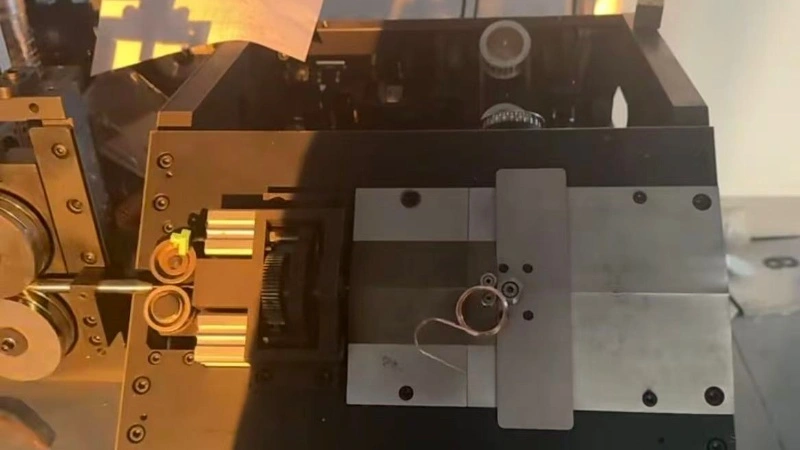
Fine Steel Wire Bending Machine (Professional Introduction)

I. What is a Fine Steel Wire Bending Machine

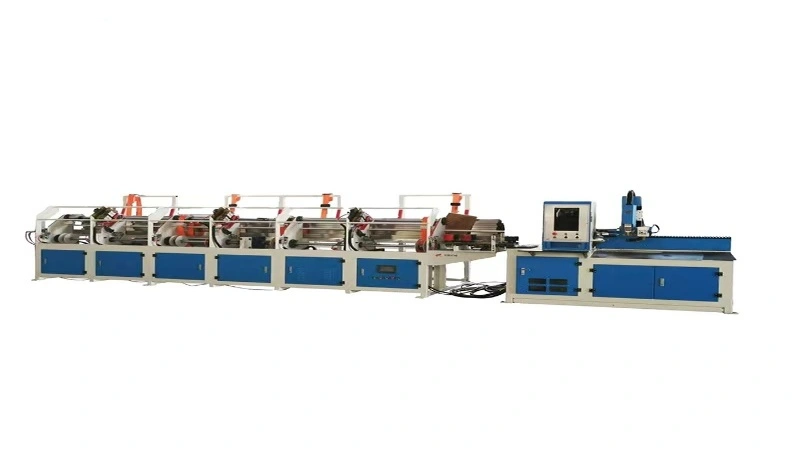
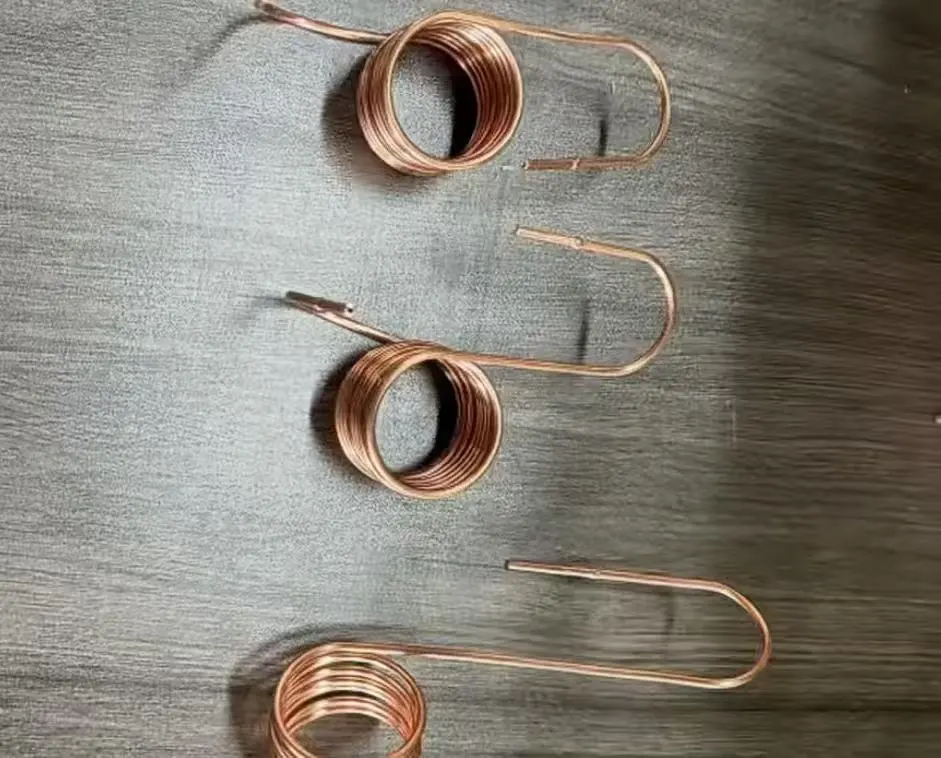
A fine steel wire bending machine is a CNC equipment specially designed for automatic bending, forming, coiling, angle bending and multi‑dimensional 3D forming of fine steel wire, spring steel wire, galvanized iron wire and stainless steel wire with a diameter of 0.3mm to 8mm. It is also commonly known as a wire forming machine, steel wire frame bending machine, 2D/3D wire bending machine.

II. Main Classification

  1. By Control Mode

  • CNC Fully Automatic Type: The mainstream model, programmed via computer, capable of forming complex shapes, ideal for mass production.
  • Semi‑automatic / Pneumatic Bending Machine: For simple bending of 90° angles, U‑shapes and square frames, suitable for small‑batch simple processing.
  • Manual Bending Machine: Compact bench‑top model, used for sampling and small workshop production.

2.By Forming Dimension

  • 2D Fine Steel Wire Bending Machine: For plane bending, used to produce hooks, brackets, mesh frames and fasteners.
  • 3D Fine Steel Wire Bending Machine: For three‑dimensional bending, used to produce spring parts, special‑shaped brackets and automotive wire components.

III. Applicable Materials & Diameter Range

  • Common range: 0.3mm–6mm stainless steel wire, galvanized iron wire, spring steel, cold‑drawn steel wire
  • Ultra‑precision compact models: Down to 0.15mm ultra‑fine steel wire
  • Applications: Hardware hooks, barbecue grills, crafts, electronic terminals, automotive wire harness brackets, shelf accessories

IV. Core Features

  1. High precision: Bending angle tolerance controlled within ±0.5°
  2. High efficiency: Fully automatic models can produce dozens of finished parts per minute
  3. Strong versatility: Different products can be processed by changing programs, no complicated mold replacement required
  4. Fine‑wire adaptability: Prevents surface damage, wire breakage and deformation during processing

V. Common Application Industries

Hardware products, automotive parts, electronic appliances, daily necessities, handicrafts, wire mesh industry, livestock breeding cages
a58d8099e0d0947797c1844e4de023c7
52675f1a89904cc77058e2361fcfa8fd_副本
0e848d197bc0d78c8e7ba66aa4dc1d9c

Related Blog

Fiber laser tube cutting machine, cnc automatic metal pipe laser cutter for round and square tube high‑precision cutting

Pipe Sawing vs Pipe Laser Cutting Machine – Full Detailed Technical & Commercial Comparison

Overview This full comparison covers working principle, cutting quality, precision, material adaptability, production efficiency, labor cost, consumables, failure rate, total ownership cost (TCO), and industrial application scenarios, serving for customer technical consultation, quotation scheme matching, and product detail page content. 1.1 Pipe Sawing Machine (Cold Circular Pipe Saw) Pipe sawing is a traditional mechanical contact cutting process. It relies on a high-speed rotating carbide circular saw blade to physically shear, extrude and cut off metal pipes. Most industrial models adopt cold sawing technology, which uses coolant to take away cutting heat to avoid pipe end blackening and high-temperature deformation. The…

Read More »
laser cutting machine saw cutting machine ,aluminum pipe cutting machine

How to Choose a Pipe Cutting Machine

What key points should I look at before buying a pipe cutting machine? A: Start with your actual production needs. Confirm tube material, outer diameter and wall‑thickness range, required cutting tolerance, daily output, and whether you need automatic feeding. Also take budget and supplier after‑sales support into consideration. Sending real‑part samples or drawings to the manufacturer will help you get a proper proposal. Cold sawing pipe cutting machine or laser pipe cutting machine , which suits my job? A:Cold sawing machines work great for high‑volume straight cutting. They create little heat deformation and deliver clean cut ends at a lower…

Read More »
metal pipe shrinking and expanding machine with different tools

Pipe Shrinking vs Pipe Expanding: Key Differences in Tube End Forming

In modern metal tube manufacturing, tube end forming is one of the most essential processes for pipe assembly, structural fitting, and mechanical part production. Among all forming methods, pipe shrinking and pipe expanding are the two most widely used cold-forming processes. Although both processes modify tube end dimensions for pipe connection purposes, their working principles, final shapes, assembly logics, and application industries are completely different. Choosing the correct process directly affects product quality, assembly efficiency, and production yield. Pipe shrinking is a cold-forming process that compresses the tube end to a smaller outer diameter. By hydraulic or mechanical extrusion, the…

Read More »