Purchasing automatic pipe‑bending equipment is not only buying hardware machines, but also choosing long‑term technical partner. Many buyers only compare quotations while ignoring factory background, production capacity, quality management and after‑sales capability, which may cause long‑term production risks. Below lists key evaluation dimensions for selecting a reliable automatic pipe‑bending machine manufacturer.
1. Factory Strength & Production Capacity
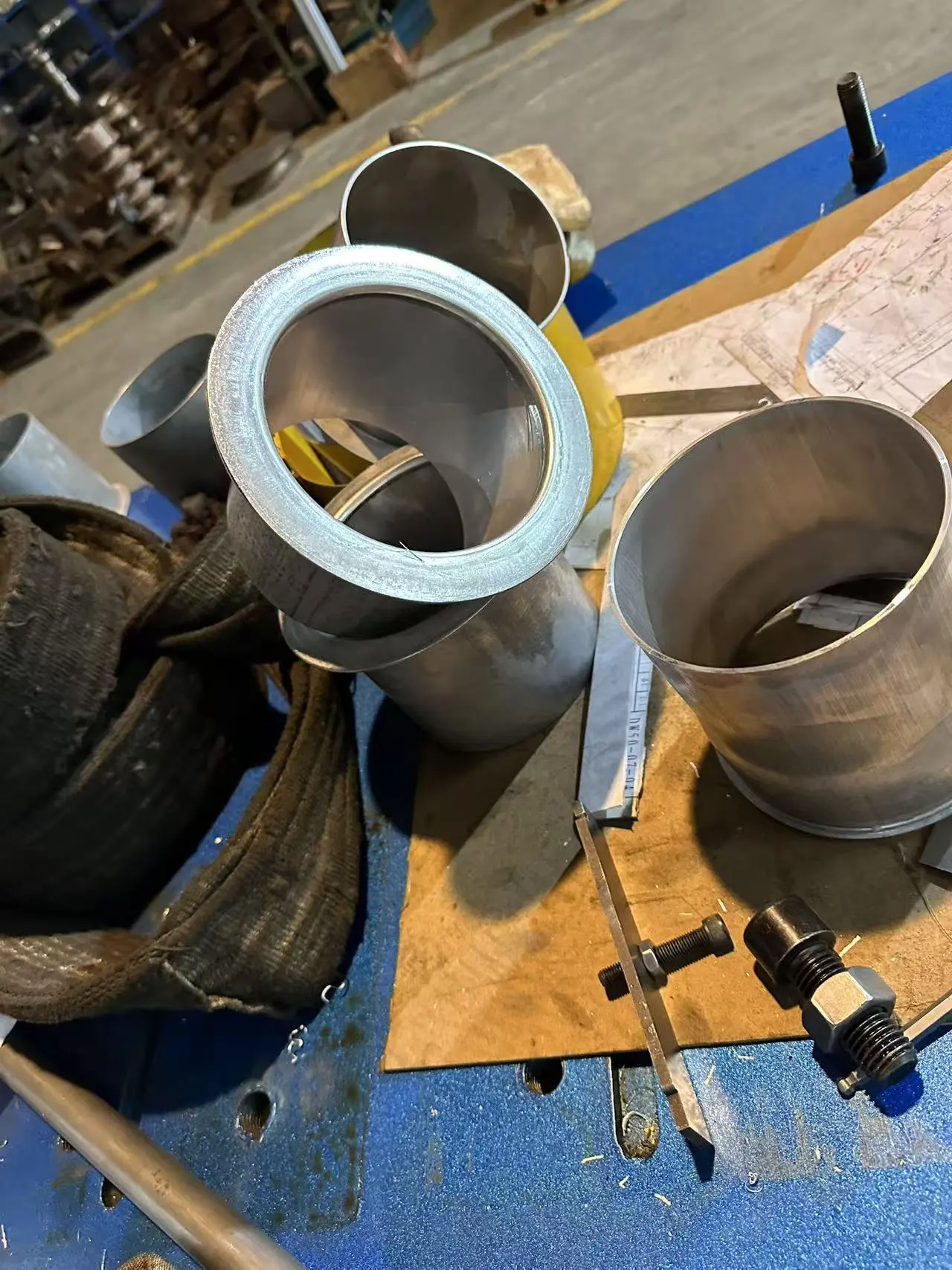
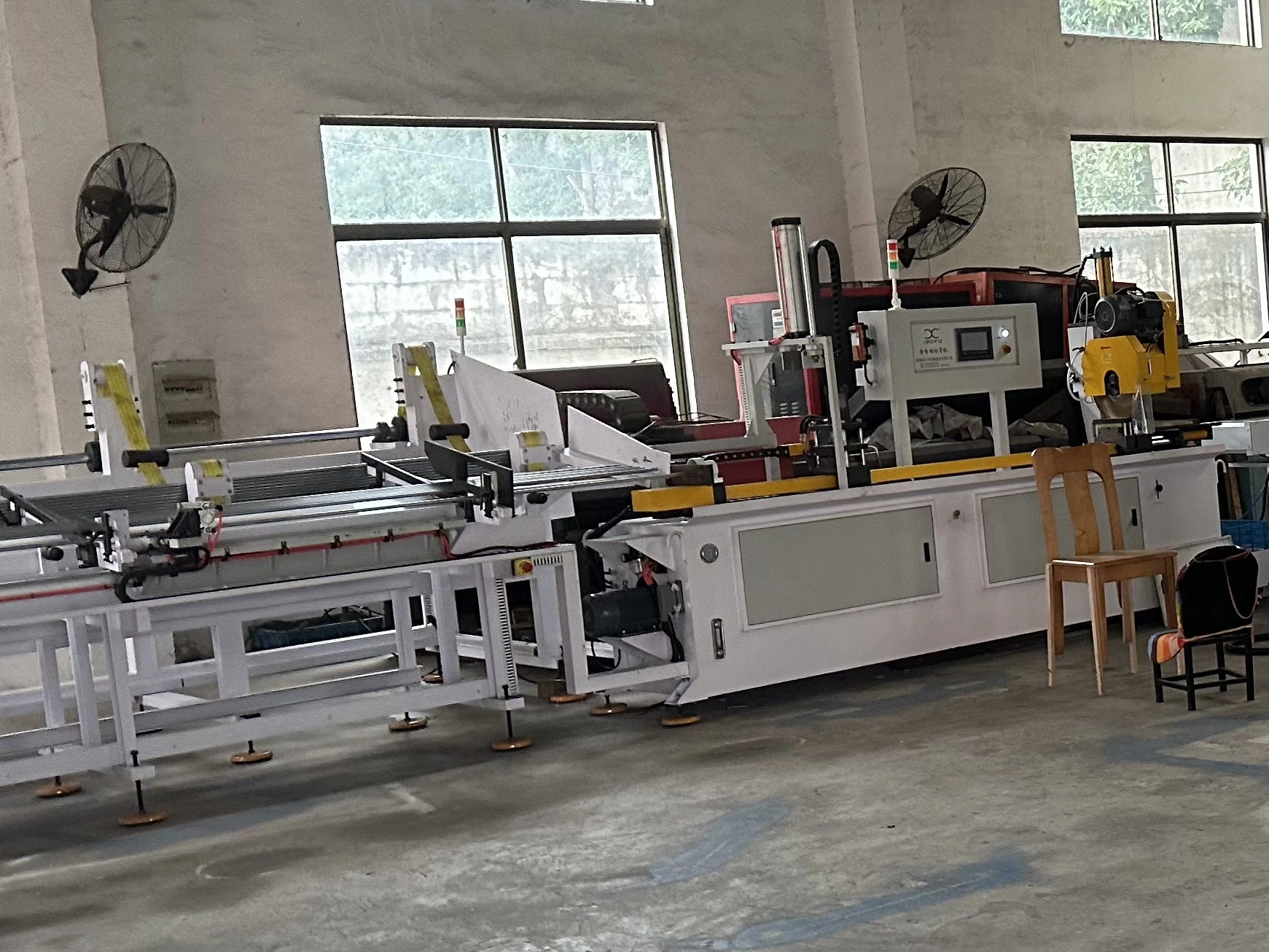
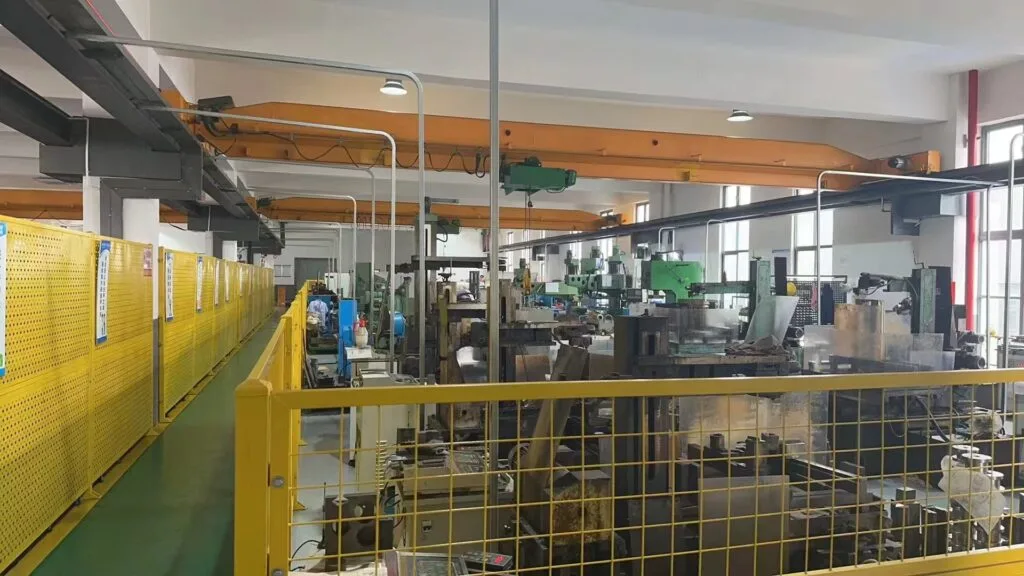
- Real production workshop: Confirm whether it is a genuine manufacturing factory, not pure trading company. Check workshop scale, machining equipment, assembly stations, stock of core components, finished‑machine testing area.
- In‑house machining & assembly: Good manufacturers complete key frame machining, welding, assembly and internal test inside own plant, instead of full outsourcing.
- R&D department & test lab: Whether they have application‑engineering team to conduct tube‑bending process tests. Accept customer’s raw pipe for pre‑shipment trial‑bending to verify real performance.
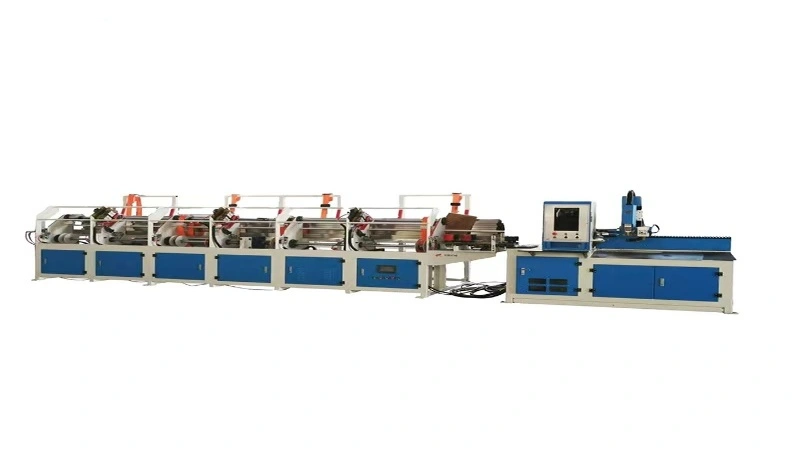
- Customization & turn‑key capability: Capability for non‑standard modification, multi‑layer mould, robot‑loading unit, whole‑pipe‑processing line integration (cutting, end‑forming, deburring).
- Core component supply chain: Brand of servo motors, hydraulic valves, PLC, bearings. Reliable manufacturers cooperate with well‑known international brands (Mitsubishi, Siemens, Rexroth etc.).
2. Company History & Industry Experience
- Years of pipe‑bending‑machine specialization: Prefer manufacturers with 5+ years dedicated experience in pipe‑bending equipment, not general‑purpose machine‑tool makers who casually add pipe‑bender product line.
- Industry reference cases: Request reference projects in your target industry: automotive parts, furniture, sanitary ware, aerospace, engineering machinery. Check real customer feedback and application scenarios similar to your own parts.
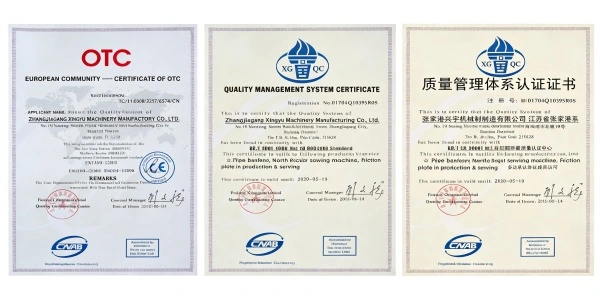
- Intellectual property & certification: Check patents for bending mechanism, control software, utility‑model certificates; ISO9001 quality‑management certificate; CE safety certification for export market.
- Product iteration history: Continuous upgrade of CNC control system, mechanical structure; avoid factories that copy old‑generation designs without technical update.
3. Quality‑Control System (Machine Hardware & Performance)
- Mechanical frame quality: Heavy‑duty thick steel frame with stress‑relief tempering treatment, to prevent long‑time‑running frame deformation and accuracy drift.
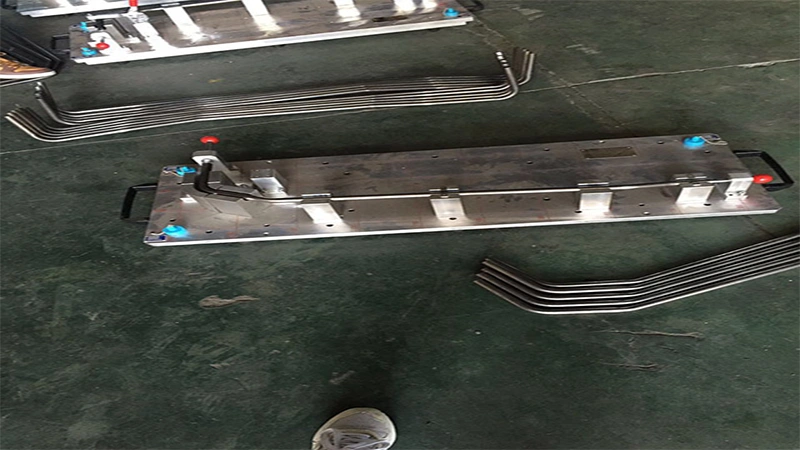
- Assembly & inspection standards: Every finished machine must go through continuous running test, accuracy inspection, hydraulic‑system leak test before delivery. Ask for factory‑test record.
-
Key performance indicators to verify:
- Angle repeat accuracy, feeding repeat accuracy
- Mandrel, anti‑wrinkle die, wiper‑die matching for thin‑wall & tight‑radius bending
- Control‑system stability: anti‑interference, fault‑alarm function, remote‑diagnosis function
- Spare‑part standardization: Standardized spare‑part list, clear consumable‑part definition (mould, mandrel, seal kits).
4. Pre‑sales, Sales & After‑sales Service System
- Pre‑sales support: Professional application engineer analyzes your pipe drawing, provides model‑selection suggestion, process evaluation, trial‑bending service with your sample tube; transparent quotation without hidden cost.
- During‑order execution: Clear production schedule, delivery lead‑time, acceptance standard defined in contract. Provide machine‑dimension drawing, foundation drawing, power requirement document.
-
After‑sales guarantee items:
- Warranty period for whole machine and core components, scope of excluded consumable parts
- Response time for technical support (online remote support, email / video reply time limit)
- Overseas service mode: local service agent or engineer overseas dispatch condition (travel cost rule)
- Operator training: factory‑side free training or on‑site training options
- Long‑term spare‑parts supply: cost‑price supply after warranty period, delivery lead‑time for spare parts
- Software upgrade service, fault‑diagnosis, remote‑access support for CNC models
- Risk warning: Stay away from suppliers who only sell machines but cannot provide bending‑process technical support. Pipe‑bending success depends on both machine and mould‑process solution.
5. Common Red Flags to Avoid
- Pure trading company without self‑owned workshop, no test‑machine condition.
- Too‑low price with ambiguous configuration (downgrade servo, hydraulic parts, frame thickness).
- Cannot provide similar‑industry reference cases or trial‑bending report.
- Vague warranty clause; no clear spare‑part supply commitment after sales.
- Claim “universal machine fits all pipes” without analyzing your tube material, wall‑thickness and bending radius.

Selecting Automatic Pipe Bending Machine Manufacturer
Q1: How do I distinguish real factory from trading company for pipe‑bending machine?
A: Request factory video, workshop photos, production‑line visiting invitation; ask for finished‑machine on‑site trial‑bending with your pipe sample. Trading companies have no machining / assembly workshop and cannot do real‑sample test.
Q2: How many‑year‑experience manufacturer should I choose?
A: Suggest selecting manufacturers with more than 5 years specialized in pipe‑bending machinery. Long‑term accumulation covers mechanical‑structure optimization, bending‑process database, mature after‑sales workflow. General machine‑tool factories without pipe‑bending‑focused experience are not recommended.
Q3: Which certificates shall I check for automatic pipe‑bending‑machine supplier?
A: Basic: ISO9001 quality‑management system. For export: CE certification. Additional reference: patents on bending‑mechanism or control software. Certificates must match manufacturer’s company name, avoid copied third‑party documents.
Q4: Why are reference industry cases important?
A: Pipe‑bending is strongly process‑related. If the manufacturer has rich experience producing the same type parts as yours (e.g. automotive exhaust, thin‑wall stainless‑steel tubes), they can provide mature mould and parameter solution, reduce your trial‑and‑error cost.
Q5: What pre‑sales service should a qualified manufacturer provide?
A: Analyze your pipe drawing, confirm correct model and tooling configuration, offer process feasibility assessment, support sample‑tube trial‑bending test, provide layout drawing, power‑demand data and clear itemized quotation without hidden charges.
Q6: What key points need to be confirmed for after‑sales before signing contract?
A: Whole‑machine warranty duration; which parts belong to consumables excluded from warranty; remote‑support response time; condition for sending engineer to customer site; spare‑parts supply lead‑time & price rule after warranty; operator training arrangement.
Q7: Can I judge quality only by machine price?
A: No. Low‑price options may cut costs on frame thickness, servo brand, hydraulic components, heat‑treatment process. It causes accuracy drifting, frequent breakdown and high downtime loss later. Evaluate total‑life‑cycle cost instead of one‑off purchase price.
Q8: My project needs robot‑loading or full‑automatic pipe‑processing line. What requirement for manufacturer?
A: Confirm they have real integration experience, not only selling standalone bender. Request reference cases of robotic pipe‑bending cell; check whether control‑system reserves signal‑handshake interface for automation units.
Q9: What is trial‑bending test, and why it matters?
A: You send real raw pipe samples to manufacturer, they bend your target workpiece on their machine before order placing. You can visually verify bending quality, anti‑wrinkle performance, final dimension, to avoid mismatch after machine delivery.
Q10: For overseas buyers, what after‑sales details need special attention?
A: Confirm manual & HMI language version; remote‑diagnosis function availability; spare‑parts packing & shipping lead‑time; engineer overseas dispatch rule (air‑ticket, accommodation, service‑day charge standard); local agent contact if available.
Q11: What risk if manufacturer has no pipe‑bending‑process capability, only supply hardware machine?
A: Even good hardware cannot guarantee qualified bent tubes. You will face problems such as tube wrinkling, section flattening, scratch, without professional mould‑parameter guidance, resulting in high scrap rate.
Q12: What red flags should alert me when evaluating manufacturers?
A: Refuse factory visit / sample trial‑bending; quotation configuration vague; warranty clause ambiguous; cannot provide real customer reference; promise over‑spec performance far beyond standard technical parameters.