การซื้ออุปกรณ์ดัดท่ออัตโนมัติไม่ใช่แค่การซื้อเครื่องจักรฮาร์ดแวร์เท่านั้น แต่ยังหมายถึงการเลือกพันธมิตรทางเทคนิคระยะยาวด้วย ผู้ซื้อจํานวนมากเปรียบเทียบใบเสนอราคาโดยไม่คํานึงถึงประวัติโรงงาน กําลังการผลิต การบริหารคุณภาพ และความสามารถหลังการขาย ซึ่งอาจก่อให้เกิดความเสี่ยงในการผลิตระยะยาว ด้านล่างนี้คือขนาดสําคัญสําหรับการประเมินเพื่อเลือกผู้ผลิตเครื่องดัดท่ออัตโนมัติที่เชื่อถือได้
1. ความแข็งแรงของโรงงานและกําลังการผลิต
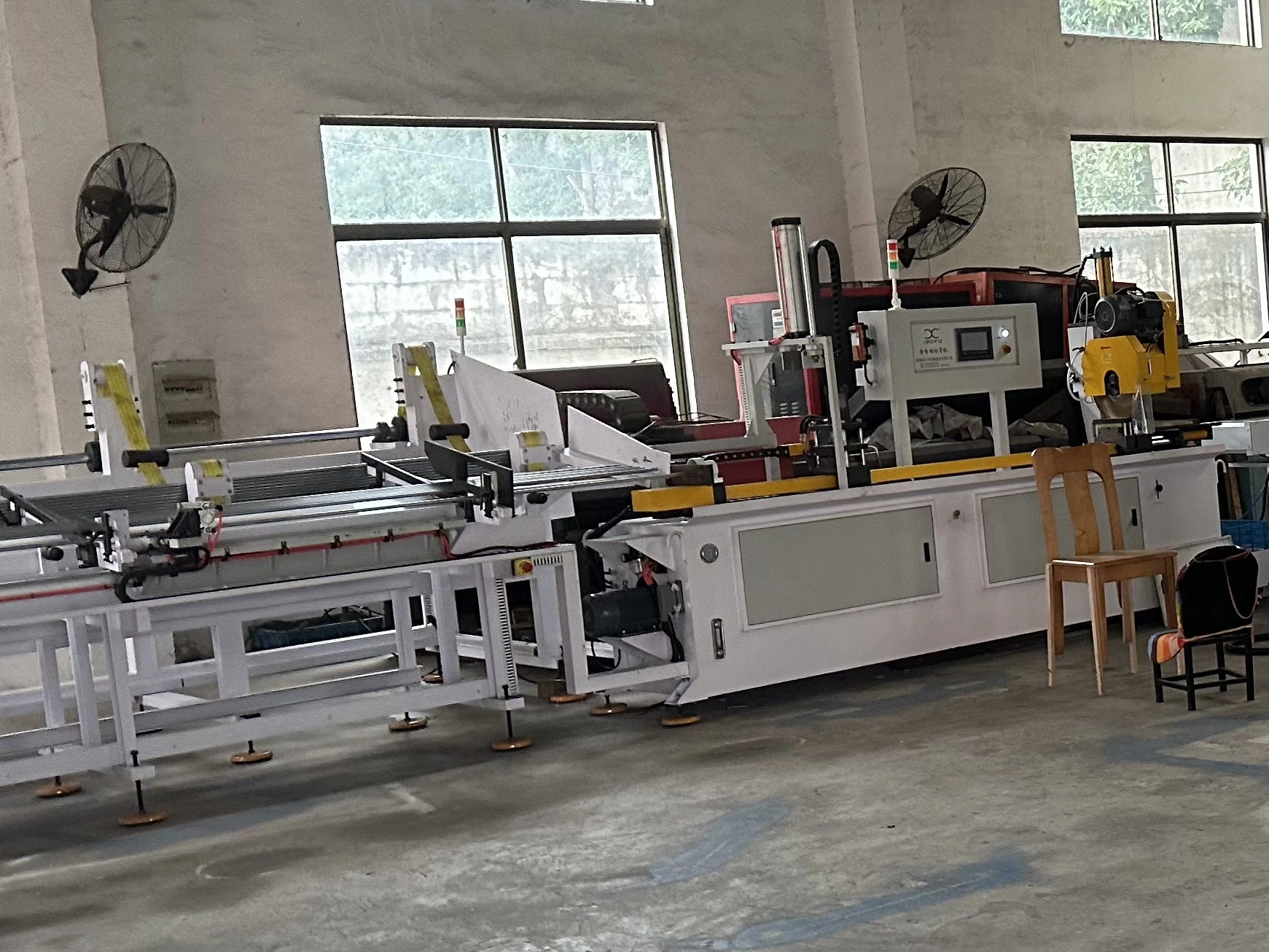
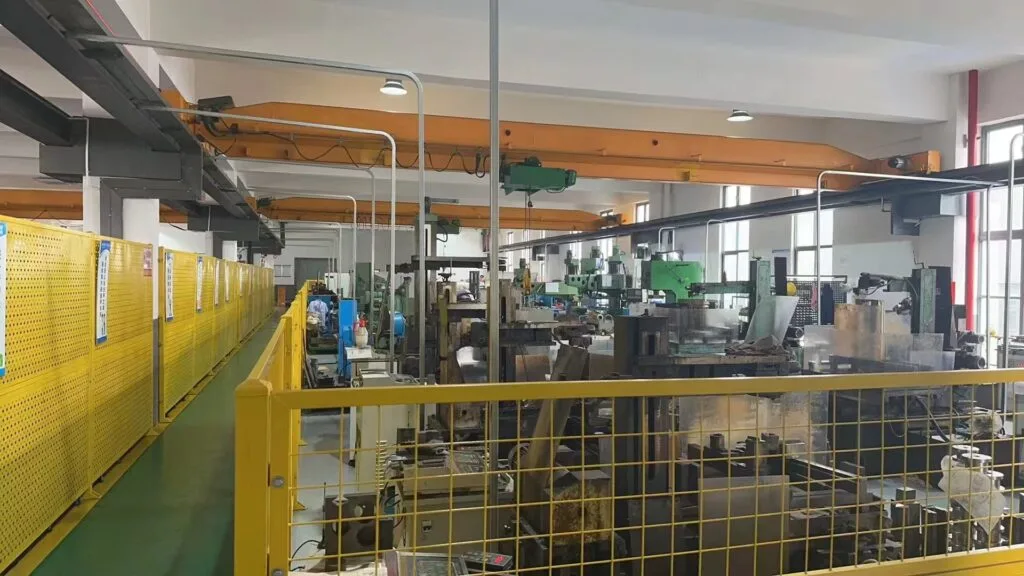
- เวิร์กช็อปการผลิตจริง: ยืนยันว่าเป็นโรงงานผลิตจริง ไม่ใช่บริษัทค้าขายล้วน ๆ ตรวจสอบขนาดโรงงาน อุปกรณ์กลึง สถานีประกอบ สต็อกชิ้นส่วนหลัก พื้นที่ทดสอบเครื่องจักรสําเร็จรูป
- การกลึงและประกอบภายในองค์กร: ผู้ผลิตที่ดี สามารถกลึง เชื่อม ประกอบ และทดสอบภายในภายในโรงงานของตนเองได้ครบถ้วน แทนที่จะต้องจ้างภายนอกทั้งหมด
- แผนกวิจัยและพัฒนา & ห้องปฏิบัติการทดสอบ: ว่ามีทีมวิศวกรรมแอปพลิเคชันสําหรับทดสอบกระบวนการดัดท่อหรือไม่ รับท่อดิบของลูกค้าเพื่อทดลองดัดก่อนจัดส่งเพื่อยืนยันประสิทธิภาพจริง
- การปรับแต่งและความสามารถครบวงจร: ความสามารถในการปรับแต่งที่ไม่เป็นมาตรฐาน, แม่พิมพ์หลายชั้น, หน่วยโหลดด้วยหุ่นยนต์, การรวมสายการผลิตท่อทั้งท่อ (การตัด, การขึ้นรูปปลาย, การลบคม)
- ห่วงโซ่อุปทานชิ้นส่วนหลัก: ยี่ห้อมอเตอร์เซอร์โว, วาล์วไฮดรอลิก, PLC, ตลับลูกปืน ผู้ผลิตที่เชื่อถือได้ร่วมมือกับแบรนด์ระดับโลกที่มีชื่อเสียง (Mitsubishi, Siemens, Rexroth ฯลฯ)
2. ประวัติบริษัทและประสบการณ์ในอุตสาหกรรม
- ประสบการณ์เชี่ยวชาญด้านเครื่องดัดท่อหลายปี: โปรดเลือกผู้ผลิตที่มี ประสบการณ์ทุ่มเท 5+ ปี ในอุปกรณ์ดัดท่อ ไม่ใช่ช่างทําเครื่องมือกลทั่วไปที่เพิ่มสายผลิตภัณฑ์ดัดท่ออย่างไม่ใส่ใจ
- กรณีอ้างอิงอุตสาหกรรม: ขอรับโครงการอ้างอิงในอุตสาหกรรมเป้าหมายของคุณ: ชิ้นส่วนยานยนต์ เฟอร์นิเจอร์ สุขภัณฑ์ อากาศยาน เครื่องจักรวิศวกรรม ตรวจสอบความคิดเห็นจากลูกค้าจริงและสถานการณ์การใช้งานที่คล้ายกับชิ้นส่วนของคุณเอง
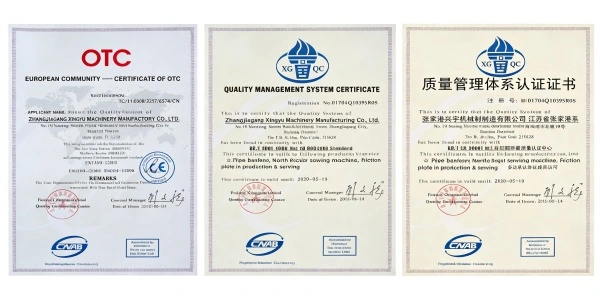
- ทรัพย์สินทางปัญญาและการรับรอง: ตรวจสอบสิทธิบัตรสําหรับกลไกการดัด, ซอฟต์แวร์ควบคุม, ใบรับรองแบบจําลองอรรถประโยชน์; ISO9001 ใบรับรองการจัดการคุณภาพ; การรับรองความปลอดภัย CE สําหรับตลาดส่งออก
- ประวัติการทํางานซ้ําของผลิตภัณฑ์: การอัปเกรดระบบควบคุม CNC อย่างต่อเนื่อง โครงสร้างเครื่องกล; หลีกเลี่ยงโรงงานที่ลอกเลียนแบบการออกแบบรุ่นเก่าโดยไม่อัปเดตเทคโนโลยี
3. ระบบควบคุมคุณภาพ (ฮาร์ดแวร์เครื่องจักรและประสิทธิภาพ)
- คุณภาพเฟรมเชิงกล: โครงเหล็กหนาทนทานพร้อมการอบเทมเพื่อความเครียด เพื่อป้องกันการเสียรูปของโครงที่ใช้งานนานและการเคลื่อนตัวของความแม่นยํา
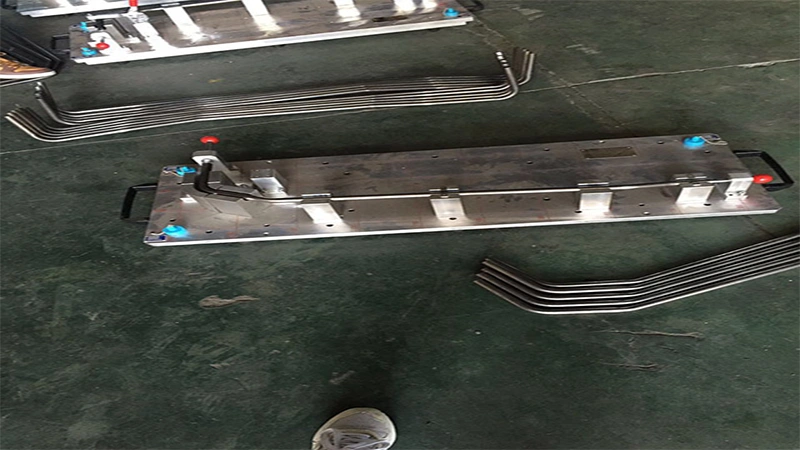
- มาตรฐานการประกอบและการตรวจสอบ: เครื่องจักรที่เสร็จสมบูรณ์ทุกเครื่องต้องผ่านการทดสอบการทํางานอย่างต่อเนื่อง การตรวจสอบความแม่นยํา และการทดสอบการรั่วไหลของระบบไฮดรอลิกก่อนส่งมอบ ขอข้อมูลการทดสอบจากโรงงาน
-
ตัวชี้วัดประสิทธิภาพหลักที่ควรตรวจสอบ:
- ความแม่นยําในการทําซ้ํามุม ความแม่นยําในการป้อนซ้ํา
- แกนหมุน, แม่พิมพ์กันรอยยับ, แม่พิมพ์ปัดน้ําฝนที่เข้ากันได้ดีสําหรับผนังบางและโค้งในรัศมีแคบ
- ความเสถียรของระบบควบคุม: ป้องกันการรบกวน, ฟังก์ชันเตือนข้อผิดพลาด, ฟังก์ชันวินิจฉัยระยะไกล
- การมาตรฐานชิ้นส่วนแยกส่วน: รายการอะไหล่มาตรฐาน คําจํากัดความของชิ้นส่วนสิ้นเปลืองชัดเจน (แม่พิมพ์, แกน, ชุดซีล)
4. ระบบบริการก่อนการขาย การขาย และหลังการขาย
- การสนับสนุนก่อนการขาย: วิศวกรแอปพลิเคชันมืออาชีพจะวิเคราะห์แบบร่างท่อของคุณ ให้คําแนะนําในการเลือกแบบ ประเมินกระบวนการ และทดลองดัดท่อตัวอย่างของคุณ; ใบเสนอราคาที่โปร่งใสโดยไม่มีค่าใช้จ่ายแอบแฝง
- การดําเนินการตามลําดับ: กําหนดเวลาการผลิตที่ชัดเจน ระยะเวลาส่งมอบ มาตรฐานการยอมรับที่กําหนดไว้ในสัญญา จัดเตรียมแบบแปลนขนาดเครื่องจักร แบบแปลนฐานราก และเอกสารความต้องการพลังงาน
-
สินค้ารับประกันหลังการขาย:
- ระยะเวลาการรับประกันสําหรับเครื่องจักรทั้งเครื่องและชิ้นส่วนหลัก ครอบคลุมส่วนที่ไม่ใช้แล้วหมด
- เวลาตอบสนองสําหรับการสนับสนุนทางเทคนิค (สนับสนุนออนไลน์ระยะไกล, จํากัดเวลาตอบกลับทางอีเมล / วิดีโอ)
- โหมดบริการต่างประเทศ: สภาพการส่งงานต่างประเทศของตัวแทนบริการท้องถิ่นหรือวิศวกร (กฎค่าใช้จ่ายการเดินทาง)
- การฝึกอบรมผู้ปฏิบัติงาน: การฝึกอบรมฟรีที่โรงงานหรือการฝึกอบรมในสถานที่
- การจัดหาอะไหล่ระยะยาว: การจัดหาต้นทุน-ราคาหลังระยะเวลารับประกัน, ระยะเวลาส่งมอบอะไหล่
- บริการอัปเกรดซอฟต์แวร์, การวินิจฉัยข้อผิดพลาด, การสนับสนุนการเข้าถึงระยะไกลสําหรับโมเดล CNC
- คําเตือนความเสี่ยง: หลีกเลี่ยงซัพพลายเออร์ที่ขายเฉพาะเครื่องจักรแต่ไม่สามารถให้การสนับสนุนทางเทคนิคในกระบวนการดัดได้ ความสําเร็จของการดัดท่อขึ้นอยู่กับทั้งโซลูชันของเครื่องจักรและกระบวนการแม่พิมพ์
5. สัญญาณเตือนทั่วไปที่ควรหลีกเลี่ยง
- บริษัทการค้าล้วน ๆ ไม่มีเวิร์กช็อปเป็นเจ้าของเอง ไม่มีสภาพเหมือนเครื่องทดสอบ
- ราคาต่ําเกินไปพร้อมการตั้งค่าที่คลุมเครือ (ลดระดับเซอร์โว, ชิ้นส่วนไฮดรอลิก, ความหนาของเฟรม)
- ไม่สามารถนําเสนอกรณีอ้างอิงในอุตสาหกรรมที่คล้ายกันหรือรายงานการบิดเบือนการทดลองได้
- เงื่อนไขการรับประกันที่คลุมเครือ; ไม่มีการผูกพันการจัดหาอะไหล่หลังการขายอย่างชัดเจน
- อ้างว่า "เครื่องอเนกประสงค์เหมาะกับท่อทุกชนิด" โดยไม่ต้องวิเคราะห์วัสดุท่อ ความหนาผนัง และรัศมีการดัดท่อ

การเลือกผู้ผลิตเครื่องดัดท่ออัตโนมัติ
คําถามที่ 1: ฉันจะแยกแยะโรงงานจริงกับบริษัทค้าขายเครื่องดัดท่อได้อย่างไร?
ตอบ: ขอวิดีโอจากโรงงาน รูปถ่ายเวิร์กช็อป หรือคําเชิญเยี่ยมชมสายการผลิต; ขอทดลองดัดท่อที่โรงงานเสร็จแล้วพร้อมตัวอย่างท่อของคุณ บริษัทการค้าไม่มีโรงงานกลึง/ประกอบ และไม่สามารถทําการทดสอบตัวอย่างจริงได้
คําถามที่ 2: ควรเลือกผู้ผลิตที่มีประสบการณ์กี่ปี?
ตอบ: แนะนําให้เลือกผู้ผลิตที่มี เชี่ยวชาญด้านเครื่องจักรดัดท่อมากกว่า 5 ปี. การสะสมระยะยาวครอบคลุมการเพิ่มประสิทธิภาพโครงสร้างเครื่องกล ฐานข้อมูลกระบวนการดัด และกระบวนการทํางานหลังการขายที่สมบูรณ์ ไม่แนะนําให้โรงงานเครื่องมือกลทั่วไปที่ไม่มีประสบการณ์ด้านการดัดท่อ
Q3: ควรตรวจสอบใบรับรองใดบ้างสําหรับผู้จัดจําหน่ายเครื่องดัดท่ออัตโนมัติ?
ตอบ: พื้นฐาน: ISO9001 ระบบการจัดการคุณภาพ สําหรับการส่งออก: ได้รับการรับรอง CE อ้างอิงเพิ่มเติม: สิทธิบัตรเกี่ยวกับซอฟต์แวร์กลไกการดัดหรือควบคุม ใบรับรองต้องตรงกับชื่อบริษัทของผู้ผลิต หลีกเลี่ยงการคัดลอกเอกสารจากบุคคลที่สาม
คําถามที่ 4: ทําไมกรณีอ้างอิงในอุตสาหกรรมจึงมีความสําคัญ?
ตอบ: การดัดท่อเกี่ยวข้องกับกระบวนการอย่างมาก หากผู้ผลิตมีประสบการณ์มากมายในการผลิตชิ้นส่วนประเภทเดียวกับของคุณ (เช่น ท่อไอเสียรถยนต์ ท่อสแตนเลสผนังบาง) พวกเขาสามารถจัดหาแม่พิมพ์และโซลูชันพารามิเตอร์ที่สมบูรณ์ ช่วยลดต้นทุนการลองผิดลองถูกของคุณ
Q5: ผู้ผลิตที่มีคุณสมบัติเหมาะสมควรให้บริการก่อนการขายแบบใด?
ตอบ: วิเคราะห์แบบร่างท่อของคุณ ยืนยันการกําหนดค่าโมเดลและเครื่องมือที่ถูกต้อง เสนอการประเมินความเป็นไปได้ของกระบวนการ สนับสนุนการทดสอบการดัดท่อตัวอย่าง ให้แบบแปลนผัง ข้อมูลความต้องการไฟฟ้า และใบเสนอราคาที่ชัดเจนโดยไม่มีค่าใช้จ่ายแอบแฝง
คําถามที่ 6: จุดสําคัญใดที่ต้องยืนยันสําหรับบริการหลังการขายก่อนเซ็นสัญญา?
ตอบ: ระยะเวลารับประกันทั้งเครื่อง; ชิ้นส่วนใดเป็นวัสดุสิ้นเปลืองที่ยกเว้นจากการรับประกัน; เวลาตอบสนองของการสนับสนุนระยะไกล; เงื่อนไขสําหรับการส่งวิศวกรไปยังไซต์งานลูกค้า; กฎระยะเวลาการผลิตและราคาสําหรับอะไหล่หลังการรับประกัน; การจัดการฝึกอบรมผู้ปฏิบัติงาน
Q7: ฉันสามารถตัดสินคุณภาพจากราคาเครื่องจักรได้เท่านั้นหรือไม่?
ตอบ: ไม่ ตัวเลือกราคาประหยัดอาจช่วยลดต้นทุนในเรื่องความหนาของโครงรถ แบรนด์เซอร์โว ชิ้นส่วนไฮดรอลิก และกระบวนการอบความร้อน มันทําให้เกิดการดริฟต์ความแม่นยํา การเสียบ่อยครั้ง และการสูญเสียเวลาหยุดทํางานสูงในภายหลัง ประเมินต้นทุนตลอดอายุการใช้งานแทนที่จะเป็นราคาซื้อครั้งเดียว
คําถามที่ 8: โครงการของผมต้องการสายการบรรจุด้วยหุ่นยนต์หรือสายการแปรรูปท่ออัตโนมัติเต็มรูปแบบ ผู้ผลิตต้องการอะไร?
ตอบ: ยืนยันว่าพวกเขามีประสบการณ์การผสานระบบจริง ไม่ใช่แค่ขาย Bender แบบสแตนด์อโลน ขอรับกรณีอ้างอิงของเซลล์ดัดท่อหุ่นยนต์; ตรวจสอบว่าระบบควบคุมสํารองอินเทอร์เฟซสัญญาณ-มือสําหรับหน่วยอัตโนมัติหรือไม่
คําถามที่ 9: การทดสอบการบิดเบือนการทดสอบคืออะไร และทําไมจึงสําคัญ?
ตอบ: คุณส่งตัวอย่างท่อดิบจริงไปยังผู้ผลิต พวกเขาจะดัดชิ้นงานเป้าหมายของคุณบนเครื่องก่อนวางคําสั่งซื้อ คุณสามารถตรวจสอบคุณภาพการดัด, ประสิทธิภาพการต่อยับ, ขนาดสุดท้ายด้วยสายตา เพื่อหลีกเลี่ยงความไม่ตรงกันหลังส่งมอบเครื่องจักร
คําถามที่ 10: สําหรับผู้ซื้อจากต่างประเทศ รายละเอียดหลังการขายใดที่ต้องให้ความสําคัญเป็นพิเศษ?
ตอบ: ยืนยันเวอร์ชันคู่มือและภาษา HMI; ความพร้อมใช้งานของฟังก์ชันวินิจฉัยระยะไกล; ระยะเวลาบรรจุและจัดส่งอะไหล่; กฎการส่งวิศวกรไปต่างประเทศ (ตั๋วเครื่องบิน ที่พัก มาตรฐานค่าบริการวันทํางาน); ติดต่อเจ้าหน้าที่ท้องถิ่นถ้ามี
คําถามที่ 11: ความเสี่ยงอะไรหากผู้ผลิตไม่มีความสามารถในการดัดท่อ มีเพียงเครื่องจักรฮาร์ดแวร์เท่านั้น?
ตอบ: แม้แต่ฮาร์ดแวร์ที่ดีก็ไม่สามารถรับประกันท่องอที่มีคุณภาพได้ คุณจะเจอปัญหาเช่น ท่อย่น ส่วนที่แบนราบ รอยขีดข่วน หากไม่มีคําแนะนําจากผู้เชี่ยวชาญด้านพารามิเตอร์แม่พิมพ์ ส่งผลให้เกิดเศษวัสดุสูง
คําถามที่ 12: สัญญาณเตือนอะไรที่ควรเตือนเมื่อประเมินผู้ผลิต?
ตอบ: ปฏิเสธการเยี่ยมชมโรงงาน / ทดลองดัดตัวอย่าง; การตั้งค่าคําพูดคลุมเครือ; ข้อกําหนดการรับประกันไม่ชัดเจน; ไม่สามารถให้ข้อมูลอ้างอิงจากลูกค้าจริงได้; สัญญาว่าจะได้รับประสิทธิภาพเกินสเปกเกินกว่ามาตรฐานทางเทคนิคทั่วไป