1:Raw Material Related FAQ
Q1: What main materials are used for iron chair frame production?
A1: We adopt multiple high-quality metal pipes and iron materials customized for furniture frame manufacturing, including round tubes, square tubes, thin-walled welded tubes, flat iron (flat bars), ordinary black welded steel tubes, galvanized steel pipes, and 201/304 stainless steel tubes. Different materials are selected according to customer requirements for product durability, anti-rust performance and usage scenarios.
Q2: What are the differences between the common frame raw materials?
A2: Ordinary black welded steel tubes are cost-effective and suitable for conventional indoor iron chair frames; galvanized steel pipes have excellent anti-corrosion and anti-rust properties, ideal for outdoor furniture; 201/304 stainless steel tubes feature high hardness, oxidation resistance and long service life, applicable for high-end and wet environment use; thin-walled tubes and flat bars are mainly used for lightweight and streamlined chair frame structural design.
2:Processing Equipment Related
Q1: What core equipment is equipped for iron chair frame fabrication?
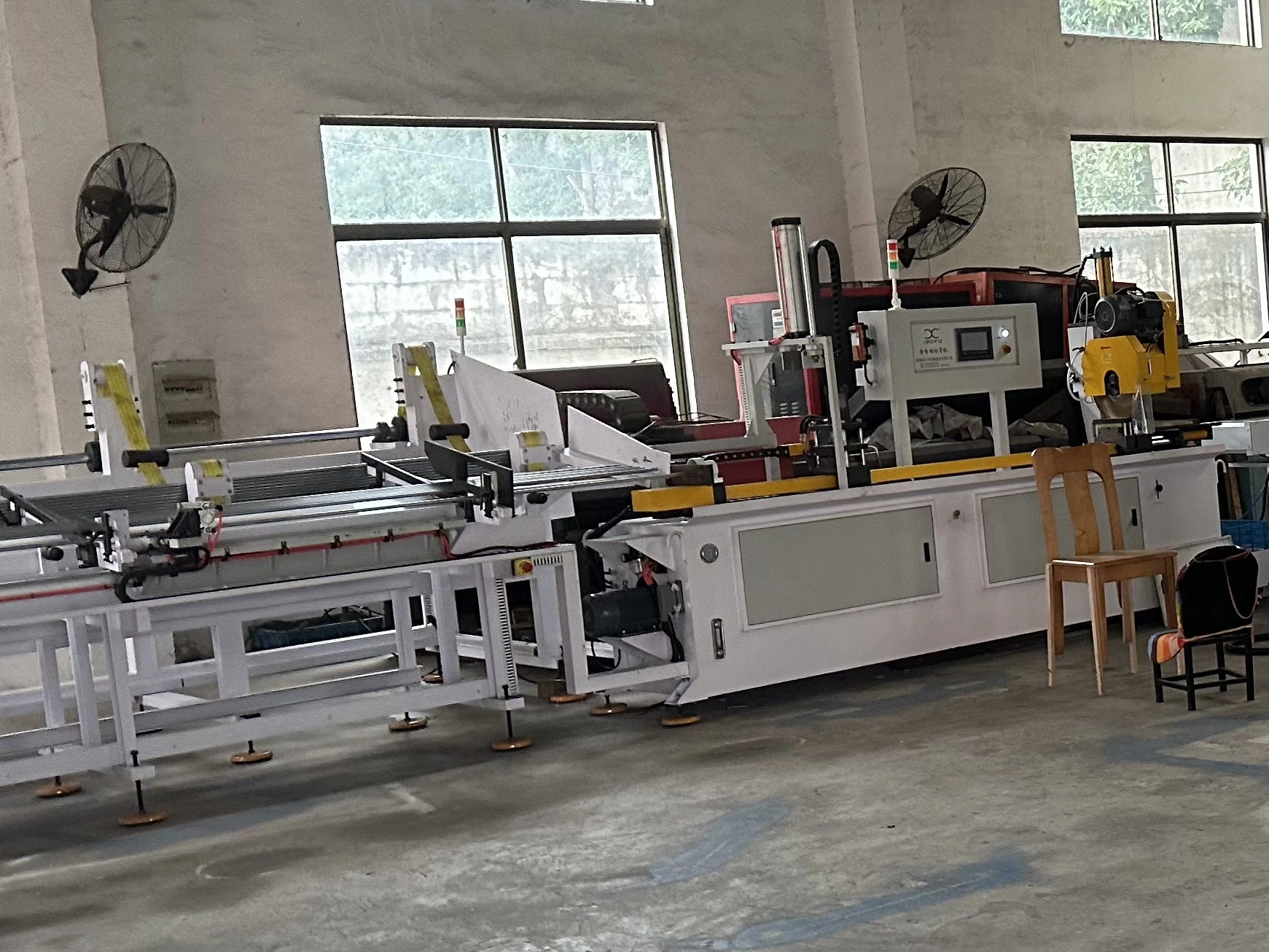
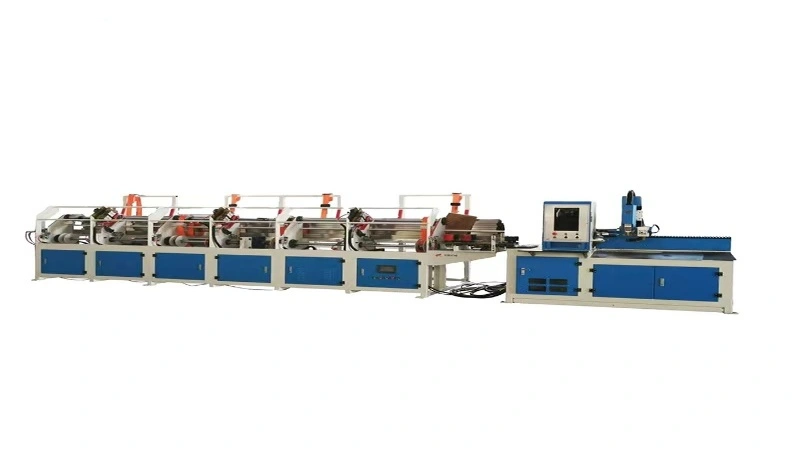
A1: Our complete processing equipment lineup supports one-stop frame manufacturing, covering pipe cutting machines, pipe bending machines, notching machines, grinding machines, welding machines, bench drills, angle grinders, sandblasting & shot blasting equipment and spraying equipment, which fully meets the precision processing and surface treatment requirements of iron chair frames.
Q2: What is the function of each key equipment in frame production?
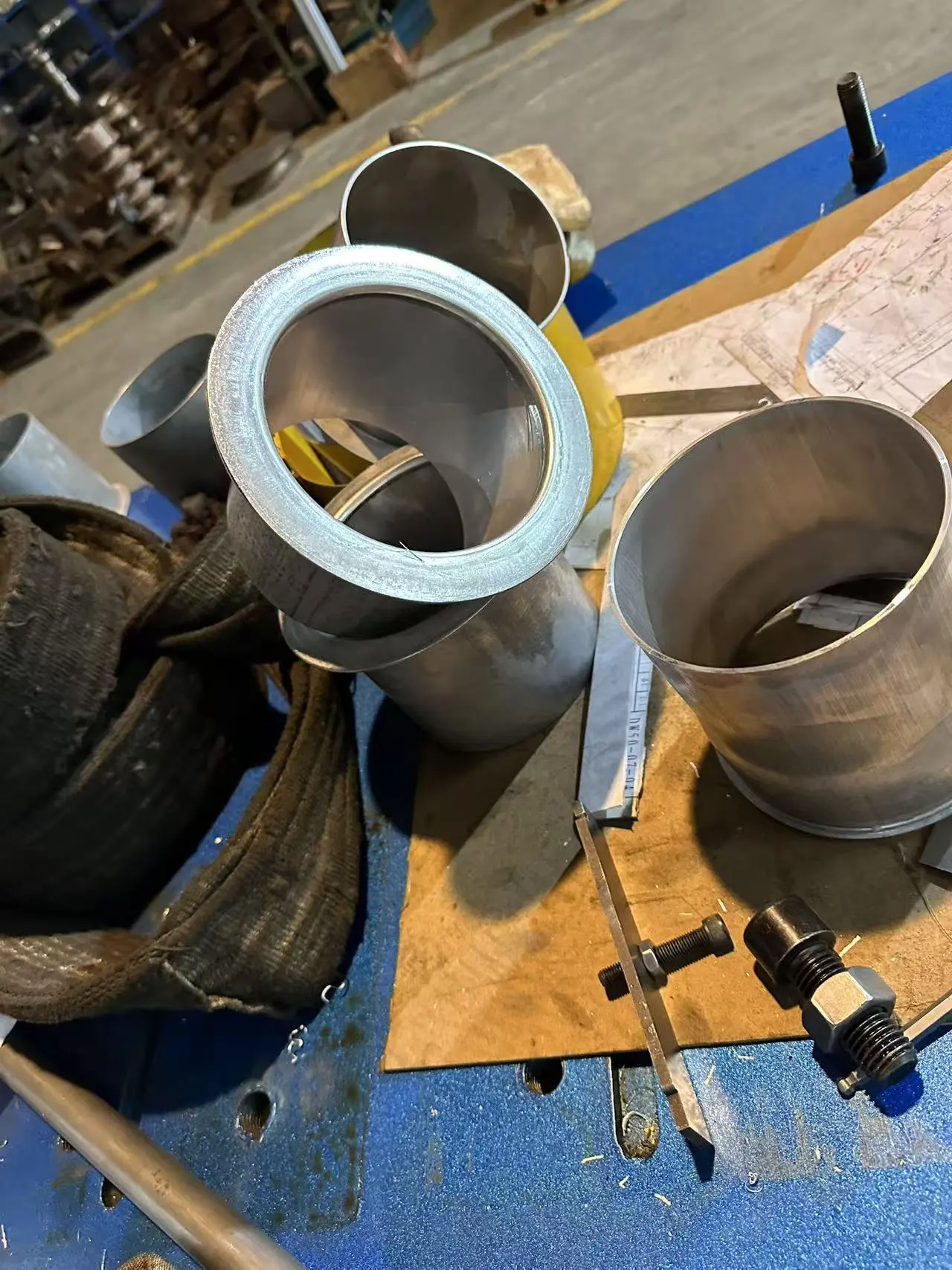
A2: The pipe cutting machine is used for fixed-length blanking and cutting of metal pipes; the pipe bending machine completes curved forming of chair frame pipes; the notching machine processes arc notches for pipe assembly; grinding machines and angle grinders polish welding joints and pipe burrs; welding machines ensure firm frame welding; bench drills are for auxiliary hole processing; sandblasting & shot blasting and spraying equipment realize frame surface rust removal, smoothing and anti-corrosion finishing.
3:Production Process Related
Q1: What is the standard manufacturing process flow for iron chair frames?
A1: The standardized step-by-step processing procedure is as follows: raw material selection → precision cutting & blanking → pipe bending forming → precision notching & fitting → welding assembly → burr grinding & trimming → surface sandblasting/shot blasting treatment → surface spraying finishing → finished frame inspection.
Q2: What parts of the iron chair frame need pipe bending forming processing?
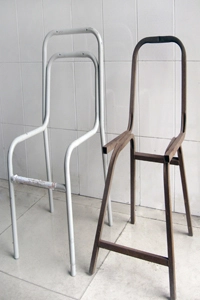
A2: Pipe bending forming is the core process of iron chair frame shaping, mainly applied to two key parts: chair legs and curved backrest. We adopt precision pipe bending equipment to ensure uniform radian, symmetrical structure and stable overall stress of chair legs and backrest arcs, avoiding deformation and ensuring the assembly accuracy and aesthetic degree of the finished chair.
Q3: What are the key standards for frame cutting and blanking?
A3: All pipe blanking and cutting strictly follow customized size drawings, with controlled cutting tolerance within the industry standard range. The cutting section is flat and burr-free, which lays a good foundation for subsequent bending forming and seamless welding assembly of the iron chair frame.