تقليص الأنابيب (التنقل / الرقبة) وتمدد الأنابيب (المقاس) هما عمليتان أساسيتان لتشكيل الطرف البارد للأجزاء الأنبوبية المعدنية. كلاهما يشوه فقط طرف الأنبوب دون قطع شرائح، لكنهما يتصرفان في اتجاهات تشوه متعاكسة.
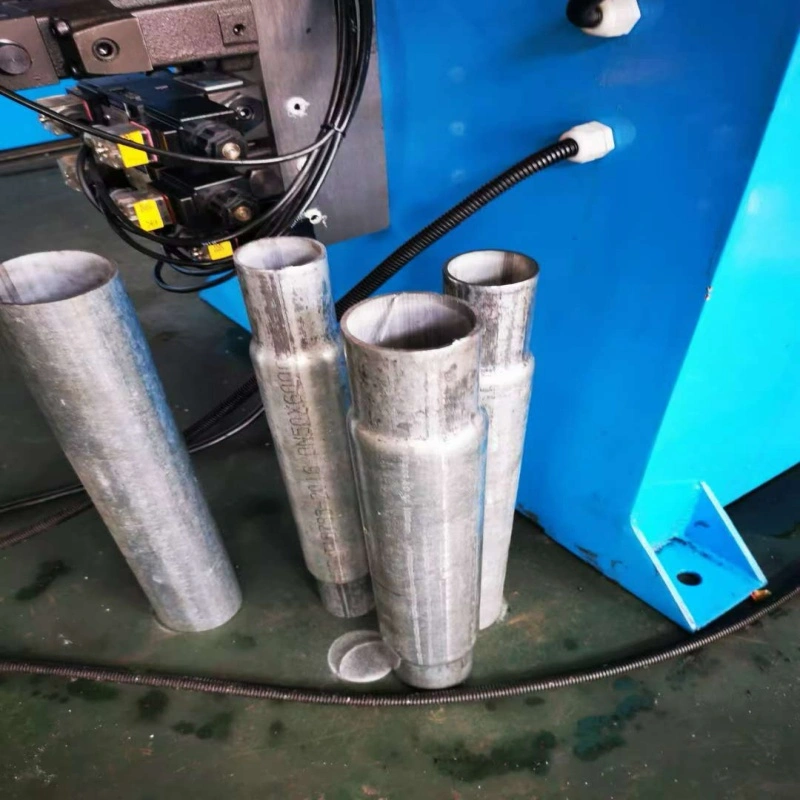
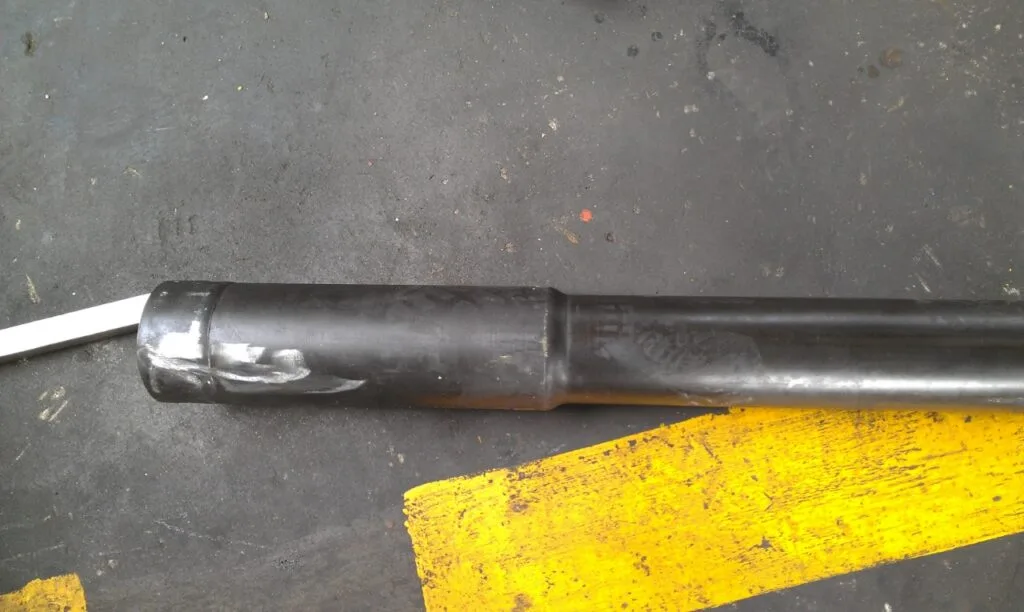
Pipe Shrinking: Photo set: raw tube end → finished reduced‑diameter sample; cross‑section sketch showing material compressed radially inward.
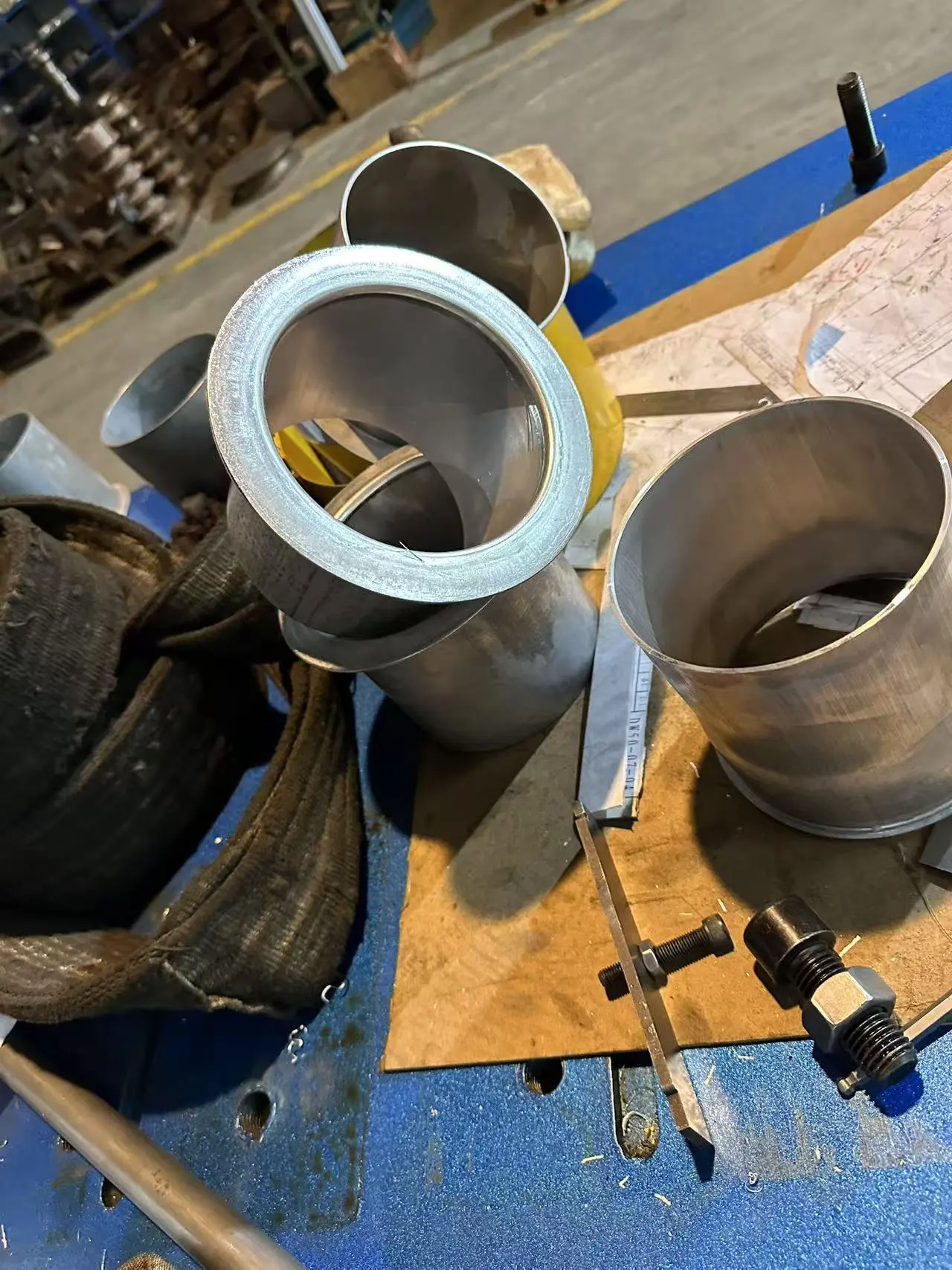
Pipe Expanding: Photo set: raw tube end → finished enlarged‑diameter sample; cross‑section sketch showing material stretched radially outward.
1. تقليص الأنابيب (التمايل / الرقبة)
التعريفقوة الضغط الشعاعي تضغط مادة نهاية الأنبوب إلى الداخل، مما يقلل القطر الخارجي والداخلي لنهاية الأنبوب. عادة ما يزداد سمك الجدار قليلا بعد الضغط البارد.
وضعان شائعان للانكماش
تقليص القوالب بالضغط المعدني (تنقل القوالب الثابتة) قوالب الإغلاق متعددة المقاطع تضغط على نهاية الأنبوب بضربة واحدة أو عدة ضربات. مناسب للعنق القصير، الملف البسيط.
التمايل الدوار (تقليص المطرقة الدوارة) المطارق الدوارة تضرب نهاية الأنبوب باستمرار لتقليل تدريجي. جيد للأعناق الطويلة المدببة / المخروطية.
الميزات الرئيسية
✅ يزداد سمك الجدار؛ تصبح المادة أقوى عند المقطع المخفض. ✅ خطر أقل من التشقق؛ مناسبة للفولاذ الكربوني المتوسط إلى العالي، أنابيب السبائك. ❌ من السهل أن تظهر تجاعيد إذا كان الجدار رقيقا جدا.
التطبيقات النموذجية
تجميع الأنابيب التلسكوبية (نهاية إدخال ذكر صغيرة القطر)
أرجل الأثاث، معدات اللياقة، قطع أنبوبية
وصلات انتقال الفوهة، نهايات أنابيب الكابل والغدة
الخطوة المسبقة لتحضير خيوط نهاية الأنبوب
2. توسيع الأنابيب (مقاسات الأنبوب)
التعريف: المغزل / القالب الممدد المجزأ يدفع للخارج من داخل نهاية الأنبوب، مما يشد المادة شعاعيا لتكبير قطر الأنبوب الخارجي والداخلي. سماكة الجدار ستنخفض قليلا بسبب التمدد الشدي.
وضعان شائعان للتوسع
توسع المغزل الصلب: ثقب واحد صلب يدفع في نهاية الأنبوب لتوسيع الفم المستقيم البسيط.
توسيع الشريحة المقسمة: قالب متعدد البتلات يفتح داخل الأنبوب. للأشكال المعقدة الأكبر وغير المستقيمة.
الميزات الرئيسية
✅ قم بعمل نهاية فتحة أنثى ليتم إدخال أنبوب آخر فيها. ❌ المادة تحت التوتر؛ خطر كبير للتشقق إذا كانت نسبة التشوه كبيرة جدا. ❌ أنابيب الجدران الرقيقة تتجعد أو تنهار بسهولة بدون قوالب دعم خارجية.
التطبيقات النموذجية
تجميع أنابيب تلسكوبية (نهاية مقبس أنثى كبير القطر)
وصلات مفاصل أنابيب المبادلة الحرارية
منفذ أنابيب لتجميع اللحام
التشكيل المسبق قبل التوسع / المعالجة بالفم الجرس
3. جدول المقارنة جنبا إلى جنب
表格
عنصر المقارنة
تقليص الأنابيب (التنقل / الرقبة)
توسيع الأنابيب (المقاس)
اتجاه التشوه
المواد المضغوطة داخليا, تقليل الضرر الزائد / التعريف
المواد المشدودة للخارج، زيادة الضرر الزائد / زيادة الهوية
تغير سمك الجدار
زيادة طفيفة في سمك الجدار
تقليل طفيف في سمك الجدار
حالة الإجهاد الرئيسي
الإجهاد الضاغطي
إجهاد الشد
خطر الفشل الرئيسي
التجاعيد لأنبوب فائق الجدار
التشقق / الانقسام بسبب التشوه المفرط
أقصى تشوه أحادي الشوط
تشوه مسموح به نسبيا
تشوه محدود؛ التغيير الكبير يحتاج إلى عملية تدريجية متعددة الأشواط
وظيفة التزاوج النموذجية
نهاية الإدخال الذكري (تناسب أنبوبا أكبر آخر)
نهاية التجويف الأنثوي (تستقبل أنبوبا أصغر آخر)
المادة المناسبة
فولاذ كربوني، سبائك فولاذية، فولاذ مقاوم للصدأ متوسط اللونة
المواد عالية اللطونة: النحاس، الألمنيوم، الفولاذ المقاوم للصدأ الناعم، الفولاذ منخفض الكربون
4. تذكيرات عملية بالإنتاج
كلا من الانكماش والتمدد ينتميان إلى التكوين البارد في نهاية الأنابيب. يجب إزالة الشفرات الحادة الناتجة عن قطع الأنابيب عن طريق التطويع قبل التشكيل.
للتشوه الثقيل، استخدم التشكيل التدريجي متعدد المحطات بدلا من الختم بضربة واحدة لتجنب العيوب.
عادة ما يتم تنفيذ كلتا العمليتين قبل ثني الأنابيب، لتجنب انسداد وصول القوالب / المندريلات على قطع العمل المنحنية.
توصية العينة: تقديم عينة أنبوب حقيقي للتشكيل التجريبي للتحقق من نسبة التشوه الممكنة قبل الإنتاج الضخم.
الأسئلة الشائعة — انكماش الأنابيب مقابل توسع الأنابيب
س1: ما هو الفرق الأساسي بين انكماش الأنابيب وتمدد الأنابيب؟
A: انكماش الأنابيب يضغط مادة نهاية الأنبوب إلى الداخل لتقليل القطر، بينما يصبح الجدار أكثر سماكة قليلا. تمدد الأنابيب يمتد المادة للخارج لزيادة القطر، ويصبح الجدار أرق. الانكماش ينتج نهاية الإدخال الذكري؛ التوسيع ينتج نهاية سوكت أنثوية للتجميع بين الأنبوب.
س2: أي عملية أكثر عرضة للتشقق أثناء التكوين؟
A: توسيع الأنابيب. يتحمل نهاية الأنبوب إجهاد شد عند تمديده للخارج. نسبة التمدد ذات الخطوة الواحدة الكبيرة جدا ستسبب تشققا. يعمل الانكماش تحت ضغط الانضغاط؛ نادرا ما يحدث التشقق، لكن أنابيب الجدران الرقيقة قد تتجعد.
س3: هل يمكنني إجراء تصغير أو تكبير كبير القطر في ضربة واحدة؟
ج: غير موصى به. للتشوه الثقيل، اعتمد التشكيل التدريجي متعدد المحطات. التشوه الكبير الجريء بضربة واحدة سيسبب تجعد (انكماش) أو تشقق (تمدد).
س4: أي طرف أنبوبي أحتاجه لتركيب الأنابيب التلسكوبية: انكماش أم تمدد؟
ج: استخدام أحد الأنابيب في نهاية الأنبوب الانكماش (إدخال ذكر)، يستخدمها طرف الأنبوب النظير المتصل التوسع (التجويف الأنثوي)، حتى يتمكنا من التعشيش معا.
س5: هل يمكن إجراء كل من التصغير والتمدد على نفس آلة تشكيل نهايات الأنابيب؟
ج: نعم. في نهاية الأنابيب متعددة المحطات: قم بتركيب قالب صغير لمحطة التنقل وقالب توسيع لمحطة الحجم. يمكن لآلة واحدة إنهاء كلا العمليتين عن طريق تغيير المحطات / القوالب.
س6: هل من الضروري تغيير سمك الجدران عند الانكماش أو التمدد؟
ج: نعم. تشوه البلاستيك البارد يغير سمك الجدران. الانكماش يجعل الجدار أكثر سماكة؛ التوسع يجعل الجدران أرق. يجب أخذ هذا التغير في السماكة في الاعتبار للتجميع أو التلويل اللاحق.
س7: هل يمكنني إجراء الانكماش أو التوسع بعد ثني الأنابيب؟
ج: ممكن تقنيا لكنه غير مفضل. بعد الانحناء، قد تعيق الهندسة المنحنية وصول القالب / المغزل إلى فتحة الأنابيب. إذا اضطررت للتشكيل بعد الانحناء، فهناك حاجة لأدوات إزاحة خاصة مخصصة. أفضل ممارسة: الشكل النهائي أولا، ثم الانحناء.
س8: ما هو العلاج المسبق الإلزامي قبل الانكماش أو التوسع؟
ج: قص الأنبوب حسب الطول، إزالة الشفرات الحادة واكتمل التشنج الداخلي والخارجي. الشفرات تخدش القوالب وتبدأ نقاط تشقق أثناء التشوه البارد.
س9: أي مادة أكثر ملاءمة لعملية التوسع؟
ج: المواد ذات اللونة الجيدة: فولاذ منخفض الكربون، ألمنيوم، نحاس، فولاذ مقاوم للصدأ ناعم. السبيكة عالية القوة منخفضة اللونة صعبة التمدد وسهلة الكسر؛ من الأفضل اختيار عملية التصغير إذا أمكن.
س10: ما هي العيوب التي قد تظهر أثناء عملية الانكماش؟
ج: العيوب الرئيسية: تجاعيد النهاية، أبعاد الرقبة غير المتساوية، إزاحة نهاية الأنبوب. الأسباب الرئيسية: الجدار الرقيق جدا، سرعة إغلاق القوالب غير المناسبة، سوء استقامة الأنبوب.
س11: ما العيوب التي قد تظهر أثناء عملية التوسع؟
ج: العيوب الرئيسية: شق نهاية الأنبوب، انهيار محلي في الجدران، فم خارج الدائرة. الأسباب الرئيسية: نسبة التمدد المفرطة، ضعف مرونة المادة، نقص القالب الداعم المساعد.
س12: هل يمكن أتمتة الأجزاء التي يتم تقليصها/توسيعها باستخدام تحميل الروبوتات؟
ج: نعم. تحتفظ آلة تشكيل نهاية الأنابيب متعددة المحطات CNC بواجهة مصافحة الإشارة لتحميل وتفريغ الروبوتات، ويمكن التكامل مع آلات ثني الأنابيب وقطع الأنابيب لخط معالجة أنابيب كامل.
معايير الاختيار الأساسية 1. الأبعاد قبل وبعد التشكيل البيانات البعدية للأنبوب الخام ونهاية الأنبوب النهائي هي الأساس الأساسي لاختيار النماذج وتصميم القالب. ملاحظة مهمة: التشوه المفرط بخطوة واحدة يسبب تشققات أو تجعيدات. يتطلب التشوه الشديد تشكيلا تدريجيا متعدد المحطات. اقتراح: حضر رسما ثنائي الأبعاد معلم بأنابيب خام وأبعاد نهائية نهائية لتقييم الشركة المصنعة. 2. عدد محطات التشكيل يحدد عدد عمليات التشكيل التي يمكن إكمالها في دورة تثبيت واحدة دون تغيير يدوي للقالب. نصيحة: اختر المحطات وفقا لسير عمليتك؛ لا تشتري محطات إضافية غير مستخدمة بشكل أعمى. 3….
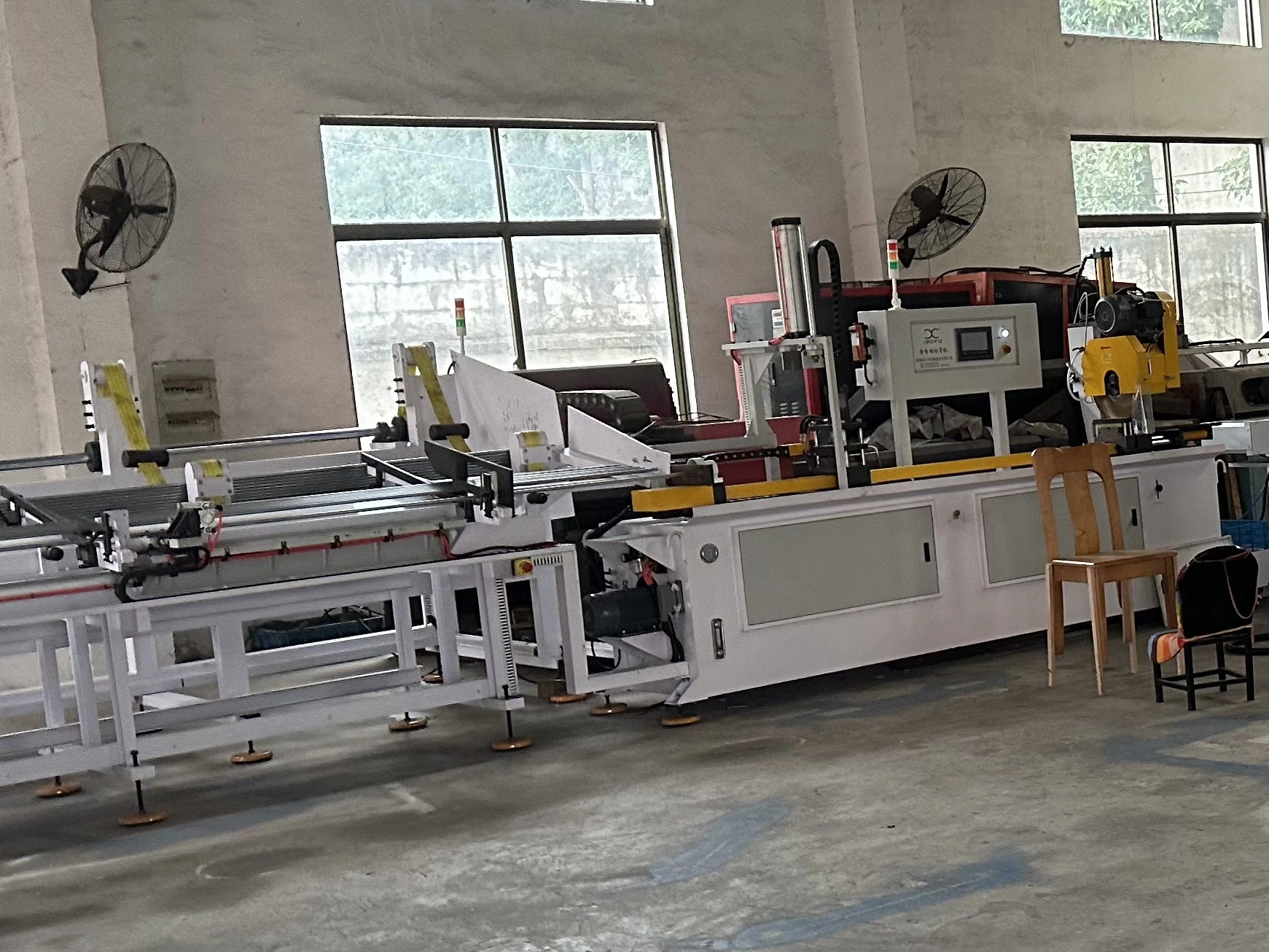
تعمل قاطعات الأنابيب اليدوية بشكل جيد للورش الصغيرة التي تتعامل مع الطلبات الصغيرة، بينما تبنى أنظمة قطع الأنابيب الأوتوماتيكية لتقليل التعامل اليدوي في الإنتاج المستمر. بعيدا عن تقليل الدقة، يحتاج المشغلون أيضا إلى مراعاة تكلفة العمالة، واتساق قطع العمل، ووقت التغيير عند اختيار المعدات. 1. التعريف الأساسي يقوم مشغلو آلة قطع الأنابيب يدويا بتحميل الأنابيب، وضبط التركيبات، وضبط طول القطع، وقطع الزناد قطعة قطعة في كل مرة. هيكل بسيط، استثمار منخفض، مناسب للأعمال الصغيرة أو النماذج الأولية. آلة قطع الأنابيب الأوتوماتيكية مجهزة بتغذية أوتوماتيكية للمجلة، وتحديد طول السيرفو، والتثبيت التلقائي الهوائي أو الهيدروليكي، والقطع المستمر والتفريغ التلقائي. تم الإعداد مسبقا...
نظرة عامة النشر البارد بالأنابيب وقطع أنابيب الليزر الليفي هما حلان رئيسيان لإزالة الأنابيب الصغيرة. يقارن العديد من المشترين فقط أسعار شراء الآلات، متجاهلين تكلفة المعالجة الثانوية الخفية، والثبات الدقيق وفقدان المواد. تقارن هذه المقالة بين الدقة الحقيقية وتكلفة دورة الحياة الكاملة للرجوع إليها. 1. مبدأ العمل قطع القص الميكانيكي بقطع الأنابيب الباردة عبر شفرة منشار الكربيد الدوار. تم تصميمه للقطع المستقيم أو الميل الثابت فقط من القطع المستقيم. قطع أنابيب الليزر الليفي الحراري غير التلامسي. الليزر عالي الطاقة يذيب المعدن، ويطرد الغاز المساعد بإزالة الخبث المنصهر. يمكنه إكمال القص، والثقب، والفتح، والتقليب، والعلامات، والميل في تثبيت واحد. 2….