. Complete Pipe Bending Machine Shipment Process (Precise Implementation Version)
(I) Pre-Shipment Preparation
(Core Objectives: Compliance, Integrity, Traceability)
. Order & Document Verification
- Verify core contract information: machine model (e.g., pipe bender, pipe cutter, arc rolling machine), tube specifications, quantity, destination port, payment terms.
- Confirm the HS Code, corresponding anti-dumping duties and tariff rates. Prepare customs clearance documents including commercial invoice, packing list, certificate of origin, and bilingual product manual.
- Finalize technical documents: complete operation manual, maintenance guide, and troubleshooting videos (Chinese-English bilingual with step-by-step instructions). Attach the unique machine serial number and parameter certificates for key components (servo motor, hydraulic pump, etc.).
- Factory Inspection & Packaging
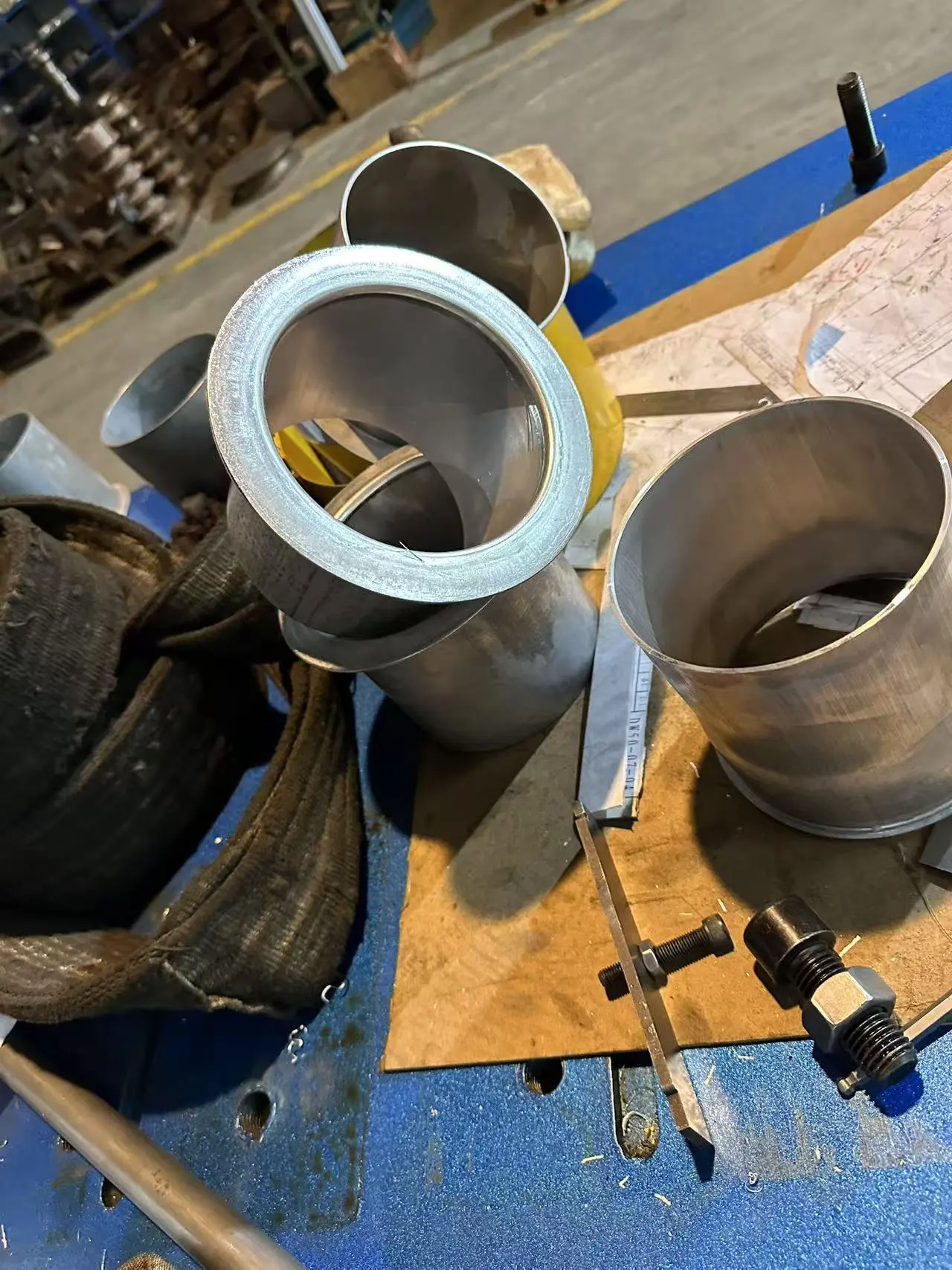
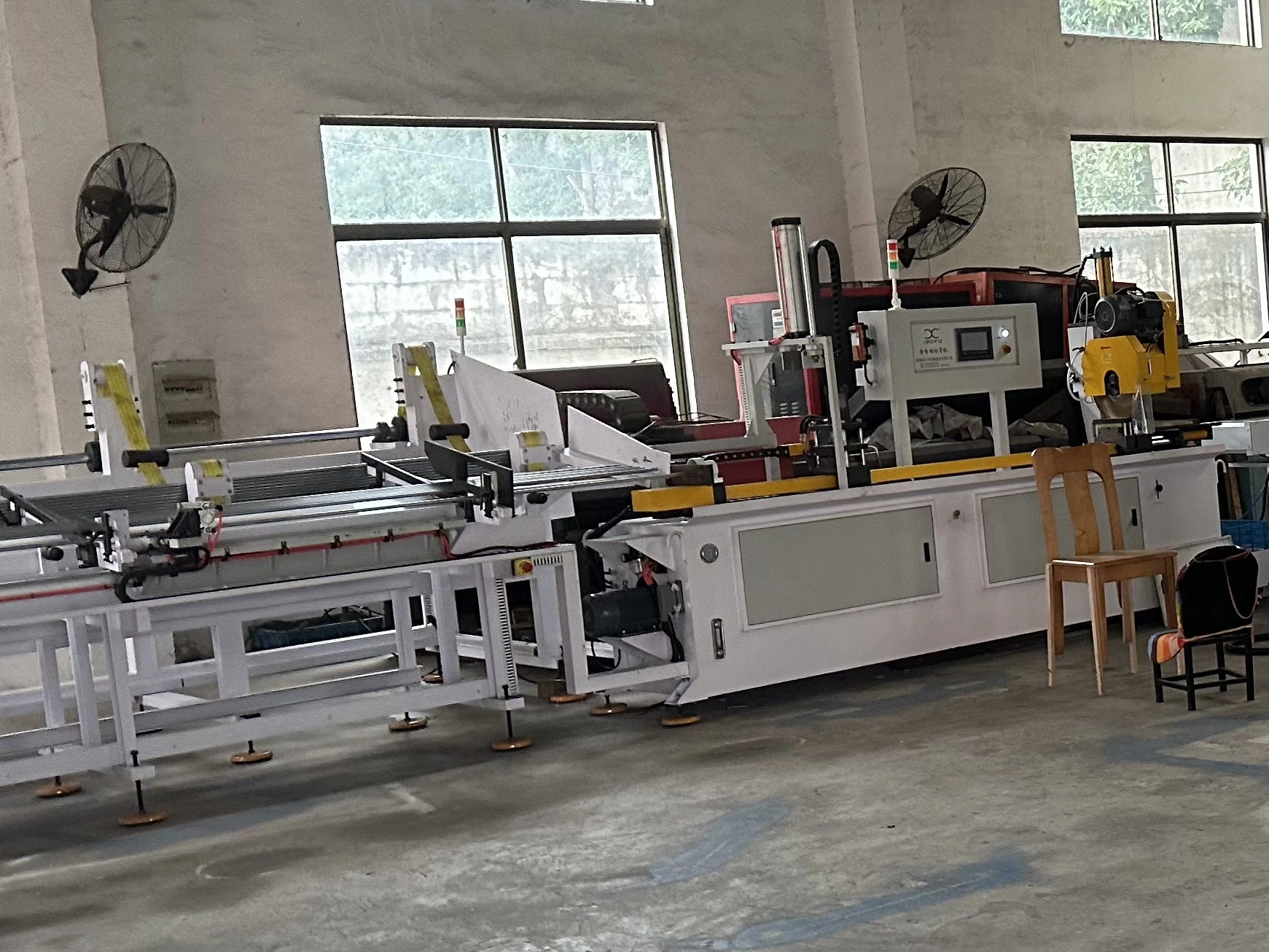
- Machine commissioning: calibrate mandrel position, dovetail components, and servo rotation angle; test single-R / multi-R bending process and mold installation stability; troubleshoot common issues such as mandrel failure to retract and auxiliary push valve jamming. Apply a qualified label after confirming normal operation.
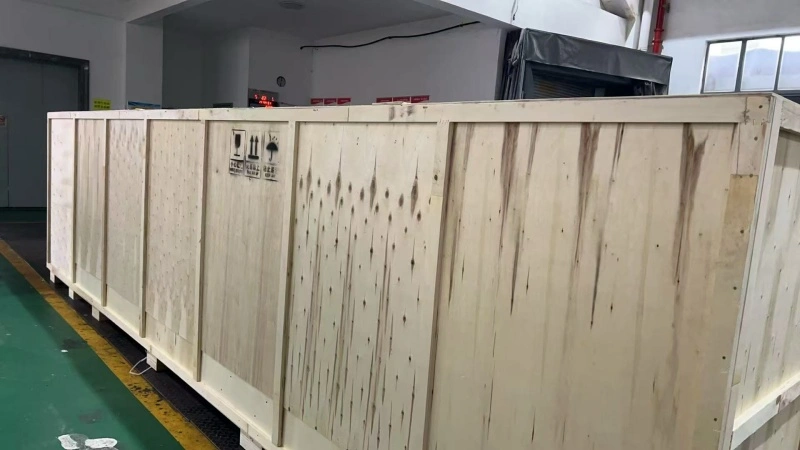
- Customized packaging: apply anti-rust oil and moisture-proof film to the whole machine; reinforce structural parts with wooden cases; pack wearing parts (seals, filters, molds) separately with clear labels marked “Fragile / Wearing Parts”. Add extra anti-collision buffer layers for long-distance ocean transportation.
- Logistics & Customs Declaration Coordination
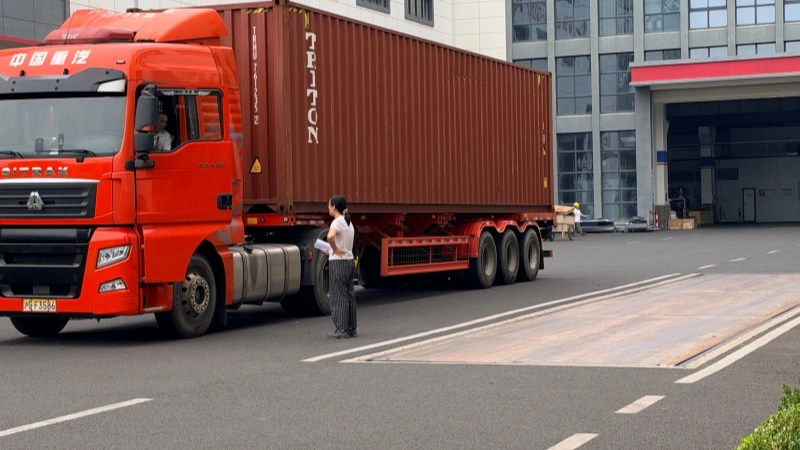
- Transportation method: select sea freight (LCL, 20ft container, 40ft container with confirmed dimensions) or air freight (urgent orders such as electronic parts and molds) per customer requirements. Track and share logistics status with the customer. For high-temperature, high-humidity or dry-dusty regions such as Southeast Asia and the Middle East, note the required protection level (weather-proof / high-protection).
- Customs declaration: self-declaration by experienced foreign trade staff. Submit documents in advance, confirm whether commodity inspection and customs inspection are required, and ensure complete clearance documents to avoid delays for the customer.
(II) Key Shipment Execution Points
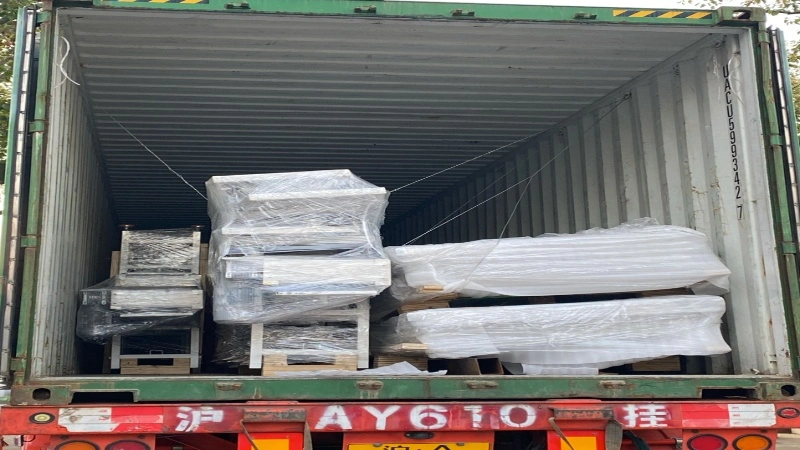
- On the shipment date, recheck machine quantity and packaging integrity. Take photos of the complete machine and packaging details for record. Attach a “Shipment Confirmation Form” including model, serial number, shipment date, and logistics number.
- Send a shipment notice to overseas customers synchronously, including logistics tracking method and estimated time of arrival. Remind the customer to prepare customs clearance documents in advance. If assistance is needed, sort out the local customs clearance process beforehand.
Overseas After-Sales Service Full Process of Pipe Bending Machine
I. After-Sales Response System (24-Hour Closed-Loop Management)
- Multi-Channel Service Acceptance
We provide 24-hour after-sales hotline, WeChat and international email for customer complaints. Customers are required to provide machine model + serial number + fault phenomenon/photos/videos + purchase date when reporting failures. We will connect the corresponding engineer within 10 minutes.
- Graded Response Time Limit
- Remote Support First: Complete fault diagnosis within 4-8 hours based on customer feedback details (such as hydraulic pressure value, alarm code, pipe wrinkling, etc.). Provide step-by-step operational guidance via text, voice or video (with Chinese-English bilingual instructions).
- On-Site Support: For Southeast Asia and the Middle East, arrange on-site support as soon as possible; for other regions, coordinate visas and air tickets within 7-10 days to ensure timely solutions for equipment installation, commissioning, overhaul and other issues.
II. Core Service Modules (Scenario-Based Implementation)
- Remote Technical Support (Most Commonly Used)
Basic Troubleshooting (Customer Operable Independently)
- System Fault: Power off and restart → restore parameters → re-download the program (with operation step screenshots attached);
- Pipe Bending Accuracy Problem: Calibrate molds, adjust clamping force, reset mandrel position, set springback compensation;
- Hydraulic Abnormality: Check oil level/oil temperature/filter element, guide oil replacement, air bleeding and relief valve adjustment;
- Pipe Processing Problem: Add mandrel, reduce speed, adjust press die, and supplement drawing oil.
Upgraded Remote Diagnosis
For equipment equipped with WiFi/4G modules, directly adjust parameters and update programs remotely to improve problem-solving efficiency.
- Spare Parts Supply Guarantee (Avoid Equipment Downtime)
- Three-level Inventory Preparation by “Common + Important + Special”:
◦ Common Parts: Seals, filters, solenoid valves, sensors, hydraulic oil;
◦ Core Parts: Servo motors, hydraulic pumps, display screens, mainboards;
◦ Special Parts: Molds, mandrels, clamping blocks (prepare stocks in advance according to customer pipe specifications).
- Spare Parts Logistics: Conventional delivery via DHL/FEDEX within 3-7 days, air freight for urgent orders within 2-3 days. Synchronize Chinese-English bilingual spare parts list and price list to customers.
. On-Site Service & Dispatched Commissioning Engineers
- Installation & Commissioning: Engineers arrive to complete equipment positioning, horizontal calibration, wiring, commissioning and test bending. Issue Commissioning Confirmation Form after acceptance;
- Fault Maintenance: Conduct on-site disassembly, inspection and component replacement for complex failures such as mandrel non-retraction, auxiliary push valve jamming, dovetail groove calibration deviation;
- Inspection & Maintenance: Arrange overseas inspections every quarter/half a year, complete oil replacement, screw tightening, accuracy calibration and electric control cabinet cleaning. Synchronize maintenance videos to customers.
- Customer Training (Reduce Subsequent After-Sales Problems)
- Free Training: Shoot operation videos before equipment delivery, and provide Chinese-English bilingual training after equipment arrival, covering operation process, programming, daily maintenance and common fault troubleshooting;
- Training Materials: Distribute paper + electronic manuals and video tutorials
- Customer Training (Reduce Subsequent After-Sales Problems)
- Free Training: Shoot operation videos before equipment delivery, and provide Chinese-English bilingual training after equipment arrival, covering operation process, programming, daily maintenance and common fault troubleshooting;
- Training Materials: Distribute paper + electronic manuals and video tutorials with key steps illustrated and annotated in Chinese and English for customers’ future reference.
III. Standardized After-Sales Process (Directly Executable by Customers)
- Customer Failure Reporting: Stop the machine → record fault code/phenomenon → take photos/videos → contact after-sales team (provide machine model + serial number);
- Our Handling: First provide remote guidance → close the case and conduct follow-up visit if the problem is solved; arrange spare parts delivery and guide replacement if component replacement is needed; coordinate engineers for on-site service if on-site support is required;
- After-Sales Closed-Loop Management: Fill in After-Sales Tracking Form after each order is completed, synchronize it to customers, and record fault causes, solutions and subsequent maintenance suggestions.
IV. Exclusive Service Implementation Suggestions of Inmanjie Machinery
- Standard Services: 2-year warranty (2 years for core structure, 1 year for hydraulic/electrical parts), 24-hour after-sales service, Chinese-English bilingual manuals + video tutorials, and a wearing parts kit attached to each equipment;
- Differentiated Services: Additional quarterly inspection coupons for Southeast Asian customers, and accelerated service for compliance certification documents for European and American customers;
- Document Standardization: All after-sales and shipment documents adopt a unified format with Chinese-English bilingual comparison, marked with equipment model and serial number, convenient for overseas customers to keep and connect.